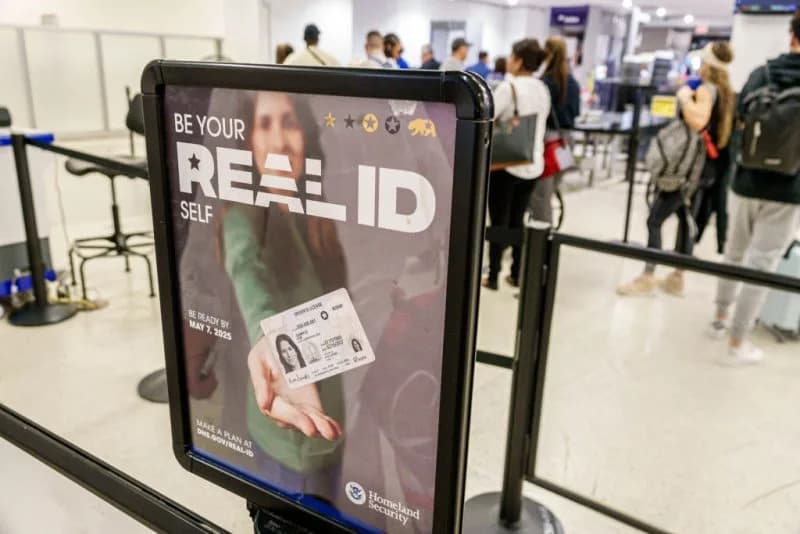
The travel industry is warning that a proposed U.S. rule requiring social‑media account information from some Visa Waiver Program applicants could deter visitors, cost jobs and shave billions from tourism revenue.
Survey Results and Economic Risks
The World Travel & Tourism Council (WTTC) surveyed 4,563 frequent international travelers (nearly 5,000 respondents) and found about one‑third said they would be somewhat or much less likely to visit the United States if social‑media details were required for Electronic System for Travel Authorization (ESTA) applicants. WTTC estimates the drop could translate into roughly $15.7 billion in lost visitor spending and, under one scenario, as many as 4.7 million fewer arrivals — a potential 23% decline from ESTA countries in 2026.
What the Proposal Would Change
U.S. Customs and Border Protection (CBP) posted a proposal in the Federal Register that would make a previously optional social‑media question mandatory. The notice says applicants would need to provide "social media from the last 5 years." ESTA — the online authorization for citizens of 42 eligible countries to visit the U.S. for stays under 90 days without a visa — currently collects passport data, birth dates and criminal history; the proposal would also add fields for phone numbers used over the past five years, email addresses used over the past ten years, and close family contact details (birthplaces, residences and phone numbers over the prior five years).
Industry Reaction
Gloria Guevara, president of WTTC, told CNN the change could cost the U.S. more than 150,000 jobs and "put the U.S. at a competitive disadvantage." Industry groups say travelers who view the request as intrusive have many other destinations to choose from and may shift plans elsewhere.
"There are so many places to travel, and the ESTA travelers will choose another destination. We will see a decline and the decline is translated into jobs." — Gloria Guevara, WTTC
Clarifications, Concerns and Related Guidance
CNN Travel has asked CBP for further details, and the Greater Miami and the Beaches Hotel Association reports officials told them privately that the government would likely collect account names or handles but would not require account passwords or direct access to posts. The association said CBP would not review every applicant's social feed and that usernames would be checked against classified government information. The association nonetheless flagged the policy as a major concern, especially with Miami hosting FIFA World Cup matches.
Separately, State Department guidance to embassies and consulates indicates student‑visa applicants may face scrutiny for "hostile attitudes" toward U.S. institutions; those guidelines say profiles may need to be public and that a sparse online presence could be seen negatively.
Timing and Broader Context
The public comment period for the CBP proposal is open until February 9. The notice arrives as the U.S. is already recording weaker inbound travel: the U.S. Travel Association reported a 3.5% year‑over‑year decline in inbound overseas travel in November 2025 compared with November 2024, and travel from Canada is down by double digits (Canada is not subject to ESTA changes). Industry groups warn the timing could dampen demand for marquee events in 2026, including America's 250th‑anniversary celebrations and World Cup matches.
What’s Next
Officials and industry groups are calling for clearer answers on what social‑media fields would be required, how the information would be used, what privacy protections would apply and whether the new measures would materially improve national security. The public comment period is an opportunity for travelers, companies and privacy experts to weigh in.
Reporting: This article summarizes reporting from WTTC, CBP’s Federal Register notice, industry statements and coverage by CNN.