
The fatal collision that killed Kit Kat, a beloved San Francisco cat, reopened debate about whether communities should limit robotaxis. While local officials proposed letting voters ban autonomous vehicles, safety data suggest the reverse: wider deployment of well‑regulated robotaxis may cut crash rates significantly. Independent analyses report large reductions in property and bodily injury claims for autonomous fleets, and many serious crashes still stem from human errors. Thoughtful regulation and oversight, not reflexive bans, are the recommended response.
Kit Kat’s Death and the Case for Robotaxis: How Self‑Driving Taxis Could Protect Pets — and People

San Francisco’s emotional reaction to the death of a beloved neighborhood cat highlights a familiar dynamic: a tragic event provokes public grief and urgent calls for immediate government action, even when proposed fixes might worsen the underlying problem.
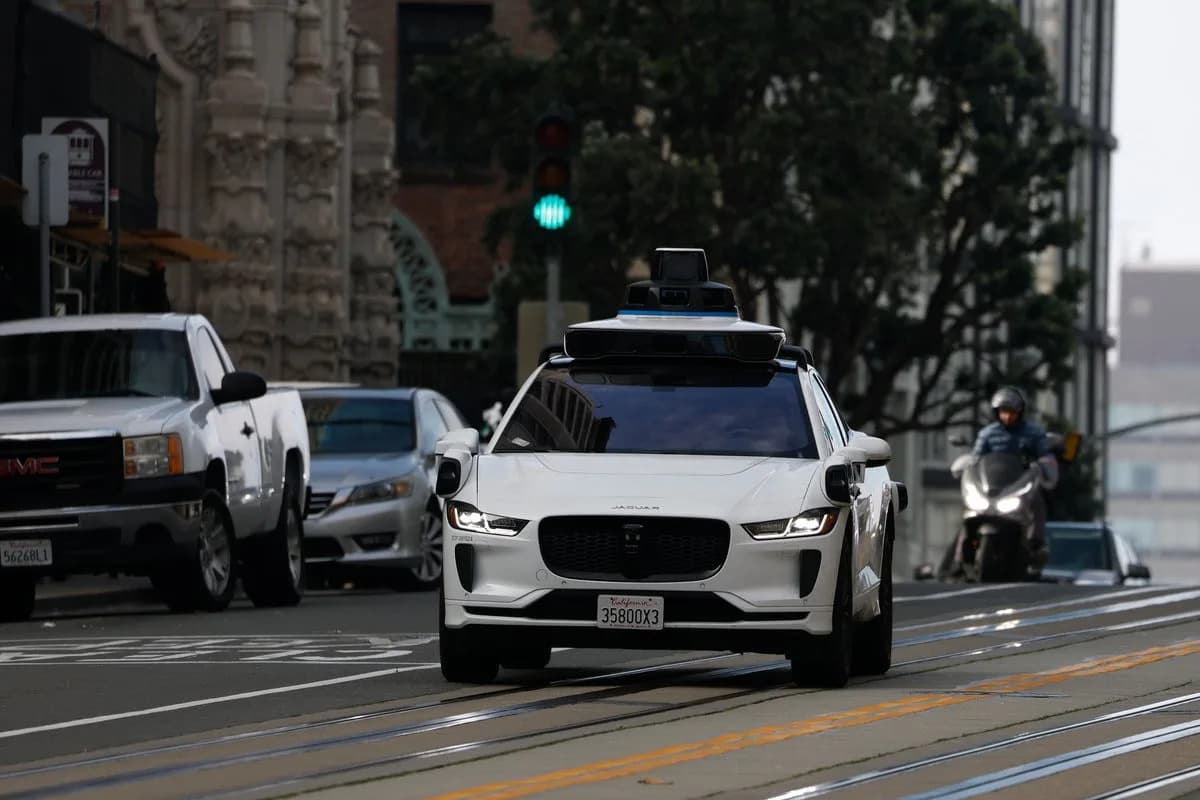
Kit Kat, a tabby known around the Mission District as the “Mayor of 16th Street,” was killed on October 27 after being struck by a Waymo self‑driving taxi. The loss sparked memorials and a public debate about whether driverless vehicles should be allowed to operate in local neighborhoods.
City supervisor Jackie Fielder introduced a resolution asking state lawmakers to let local voters decide whether communities can opt out of autonomous vehicle service. Her core argument: human drivers can be held accountable in ways robots cannot.
That concern is understandable on an emotional level, but it oversimplifies how accountability and safety actually work. In practice, human drivers are rarely held to account for accidentally killing an animal. At the same time, recent state-level regulations have placed liability and safety obligations on companies that operate autonomous vehicles, making corporate accountability a concrete option.
Safety in context
Public-safety evidence points the other way. Various estimates suggest that motor vehicles kill or injure millions of cats in the United States each year; while these figures vary by study, the losses are substantial and most are attributable to collisions with human‑driven cars. Local estimates also indicate hundreds of cats are struck annually in some cities.
More consequentially, tens of thousands of people die on U.S. roads every year. Roughly 40,000–43,000 annual traffic fatalities have been reported in recent years, and many of those lives could be spared if safer technologies were widely deployed.
How robotaxis compare
Commercial autonomous taxi services point to strong safety outcomes. Independent analyses from major insurers have reported dramatic reductions in both property‑damage and bodily‑injury claims when comparing autonomous systems to human‑driven vehicles. Company data also show fewer serious‑injury crashes for their fleets, and many incidents involving robotaxis were caused by other, human‑operated vehicles colliding with them.
There have been isolated tragedies: a January collision in San Francisco killed one person and a dog when a human driver plowed into a line of stopped cars; investigators attributed that fatal crash to a human driving error. Separately, automakers’ partially automated driving features have received scrutiny because they still require active human supervision.
Why local bans can backfire
Allowing each locality to regulate robotaxis independently would likely create a patchwork of rules, with some cities effectively banning the service. That fragmentation could slow data‑driven safety improvements, reduce access to safer alternatives for people who feel vulnerable using conventional taxis, and — critics argue — result in more avoidable human and animal injuries and deaths.
At the same time, systemic failures to keep dangerous human drivers off the road remain a serious concern. Investigations have found examples where drivers with troubling histories were nevertheless permitted to continue driving, sometimes with deadly consequences. This is the kind of regulatory failure that broader deployment of safer driving technology aims to reduce.
Measured responses over reflexive bans
A grieving community response is natural, but policy should be guided by evidence. Knee‑jerk restrictions motivated by outrage risk blocking technologies that, on balance, appear to reduce crashes and injuries. The better path is careful investigation, stronger liability and safety standards for autonomous operators, improved animal‑protection measures (for example, traffic‑calming and habitat considerations), and continued public oversight as the technology evolves.
In short: the death of a pet is heartbreaking and deserves compassion. But the data suggest that replacing risky human driving with well‑regulated autonomous systems could save many human lives — and likely reduce the number of animals harmed on our roads as well.
Help us improve.




![Evaluating AI Safety: How Top Models Score on Risk, Harms and Governance [Infographic]](/_next/image?url=https%3A%2F%2Fsvetvesti-prod.s3.eu-west-1.amazonaws.com%2Farticle-images-prod%2F696059d4e289e484f85b9491.jpg&w=3840&q=75)





















