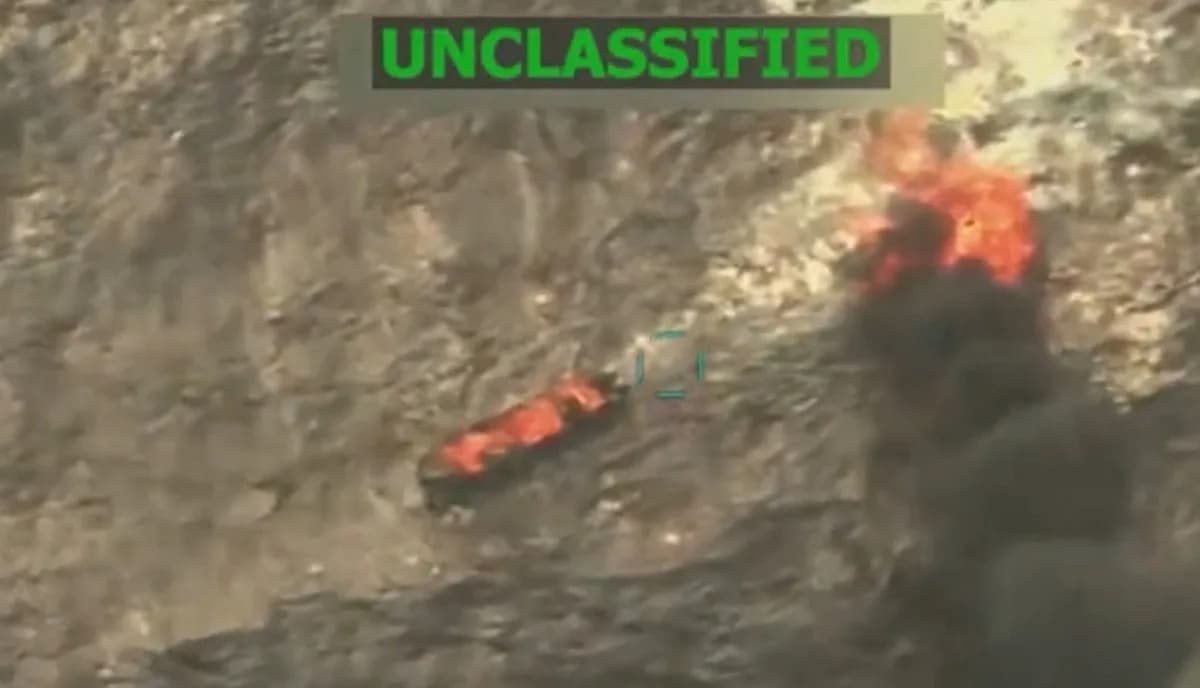
The Pentagon has acknowledged uncertainty about who has been killed in recent strikes on "drug boats" off Venezuela, saying intelligence points to cartel connections but does not always identify individuals. Critics, led by Rep. Jim Himes, warn the operations may be killing low-level couriers or fishermen rather than senior cartel figures and could provoke harmful blowback. The Pentagon maintains the victims were assessed as "narco-terrorists," while supporters compare the tactics to earlier "signature strike" practices. At least 80 people have reportedly died in the campaign.
Pentagon Admits It Doesn't Know Who It's Hitting in 'Drug Boat' Strikes Off Venezuela

Defense Secretary Pete Hegseth has acknowledged uncertainty about the identities of people killed in recent U.S. strikes against so-called "drug boats" operating off the coast of Venezuela, according to a recent report.
Sources familiar with classified briefings say the military has shifted away from the usual practice of striking confirmed, high-value adversaries and is instead targeting vessels when there is some indication of cartel involvement without precise identification of everyone on board.
Not completely blind, but not precise: Officials say the operations are not random—intelligence indicates someone on the vessels likely has ties to a drug cartel and that narcotics may be present—but the military does not always know the exact identities or ranks of those aboard before striking.
"Traditionally, our counternarcotics efforts have always been targeted at the head of the snake. This is obviously the opposite of that," Rep. Jim Himes, the top Democrat on the House Intelligence Committee, warned. "Now we're going after the tail... We're going after some, you know, poor ex-fishermen who took $300 to run a load of cocaine to Trinidad."
Critics argue the strikes risk killing low-level operatives or innocent fishermen rather than senior cartel figures. Rep. Himes and other lawmakers say such tactics could generate diplomatic and security blowback that outweighs any short-term disruption to trafficking networks.
The Pentagon has defended the campaign. Chief Pentagon Spokesman Sean Parnell said in an email that the department "can confirm" those killed were assessed as "narco-terrorists" and that the intelligence supporting the strikes remains the department's basis for action.
Supporters note the approach is not entirely new: during the previous administration, so-called "signature strikes" targeted behavior patterns suggestive of terrorist activity even when individual identities were not independently confirmed.
To date, the operations off Venezuela's coast have been linked to at least 80 deaths, and officials say none of those casualties are believed to be high-level cartel leaders. Observers say the campaign raises renewed questions about targeting standards, legal thresholds, and the potential humanitarian and strategic costs of such strikes.
Help us improve.