This holiday season shows a split picture: AAA projects a record 81.8 million Americans will travel for Thanksgiving, but tighter budgets and a recent six‑week government shutdown are changing travel choices. Surveys show many plans were canceled or downgraded, and a growing share of travelers plan to stay with friends or family instead of booking paid lodging. International arrivals remain well below pre‑pandemic levels — largely due to far fewer Canadians — putting pressure on the roughly 8 million U.S. workers in travel and tourism.
More Couch‑Surfing, Fewer Canadians: How U.S. Holiday Travel Is Changing

A record number of Americans are expected to travel this Thanksgiving weekend, but who’s traveling and how much they’re spending looks different than in prior years. AAA projects 81.8 million people will travel at least 50 miles over the long holiday weekend — about 1.6 million more than last Thanksgiving — and roughly 6 million of those travelers are expected to fly domestically. Recent flight cancellations, however, may push some passengers toward trains, buses, cars or RVs.
What’s driving the shift?
Researchers and industry leaders point to several forces reshaping holiday travel: a larger pool of travelers overall, growing economic anxiety, geopolitical concerns and the recent six‑week federal government shutdown.
Longwoods International survey data show more than a third of Americans with travel plans for the next six months said the shutdown affected those plans. Amir Eylon, Longwoods’ president and CEO, said that nearly one in three people whose plans were disrupted canceled their holiday travel altogether.
“Considering that over a million people went without paychecks during the shutdown, and many finalize plans only in the final weeks before travel, a significant chunk of would‑be travelers are likely skipping trips they otherwise would have taken,” said Scott Keyes, founder of the travel app Going.com.
Spending down, couch‑surfing up
Economic pressure is reshaping choices. Travel planners report clients downgrading hotels and shortening trips. Deloitte’s holiday travel survey found more people intend to travel but plan to spend substantially less per person — roughly 18% less on average than in the prior year. That decline appears to be driving a rise in travelers staying with friends and family rather than booking paid accommodations.
The result: more sofas and spare bedrooms filled this season and likely lower spending on restaurants, entertainment and local services that typically benefit from traveler dollars.
International arrivals remain below pre‑pandemic levels
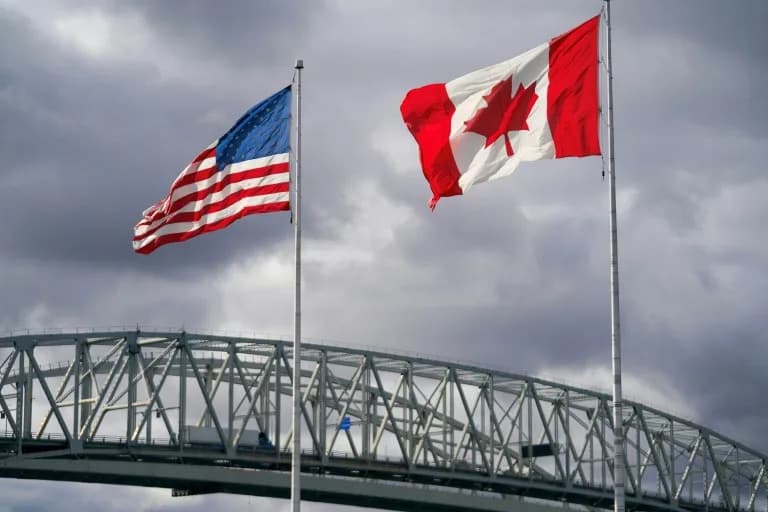
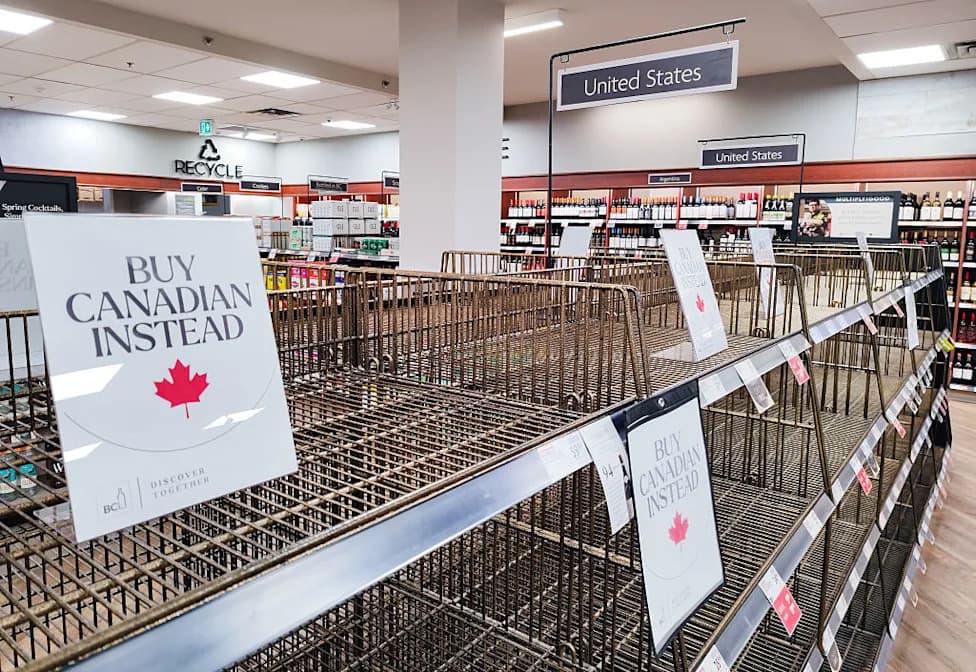
International visits to the United States are still trailing 2019 levels. The U.S. Travel Association estimates overall international travel will reach about 85% of 2019 volumes. Much of that shortfall stems from a steep decline in Canadian visitors — traditionally the largest share of foreign travelers to the U.S. — with Canadian car crossings down roughly 30% in October year over year and air travel between the countries down about a quarter.
Researchers cite several deterrents for international visitors: fears about immigration enforcement, longer visa wait times and higher fees, concerns about political rhetoric and reports of violence. All of these factors contribute to a weaker international tourism rebound.
Impact on workers and communities
These trends compound risks for the roughly 8 million Americans who work directly in travel and tourism. Lower spending by domestic visitors and fewer international arrivals could create financial pressure for hospitality businesses, restaurants and local attractions — especially in communities that rely heavily on visitor dollars.
Looking ahead
Major upcoming events could help revive international visits: the United States will co‑host the 2026 FIFA World Cup, and a new fast‑track visa process has been announced to prioritize interviews for ticket holders. Still, potential attendees may face uneven travel restrictions or policies depending on their country of origin.
For now, U.S. holiday travel presents a mixed picture: record numbers on the road, but tighter budgets, more couch‑surfing and fewer international visitors — a combination that could reshape the season’s economic payoff for travel‑dependent communities.
Help us improve.