Steve Kramer, a Democratic consultant, says he will not pay a court-ordered $22,500 after admitting he used AI-generated robocalls that mimicked President Biden during the 2024 primaries. A jury earlier acquitted him of criminal voter suppression and impersonation charges, but a civil suit by the League of Women Voters imposed damages and a nationwide injunction. The FCC separately issued a $6 million fine. Advocates say they will pursue enforcement if Kramer refuses to comply, and the episode has intensified calls to regulate AI in elections.
AI ‘Biden’ Robocalls: Consultant Refuses to Pay $22,500 Court Judgment, Faces $6M FCC Fine

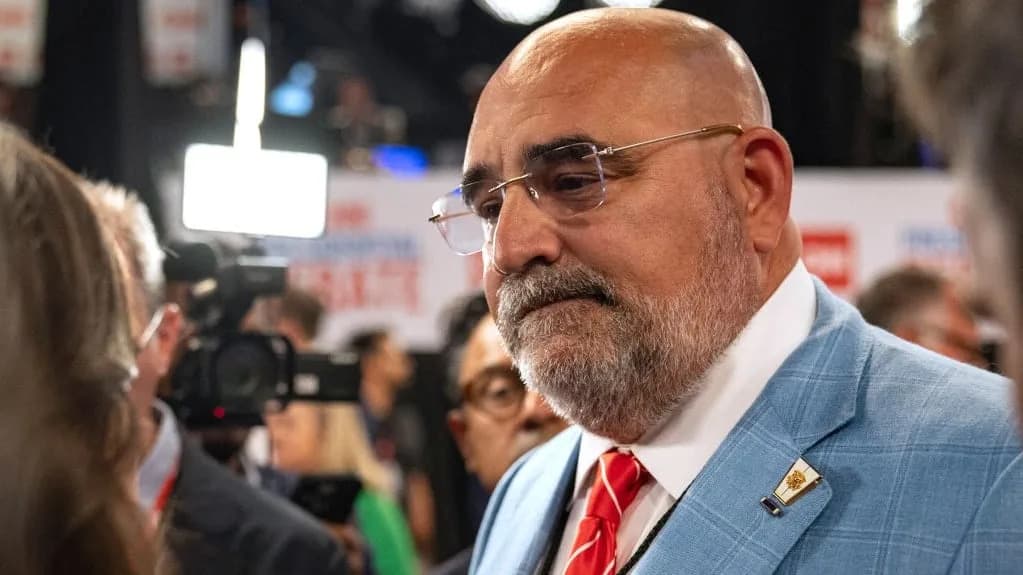
Steve Kramer, a Democratic political consultant, has said he will not pay a court-ordered $22,500 to three voters after admitting he used AI-generated robocalls that imitated President Joe Biden’s voice during the 2024 primary season.
Kramer contends he was already acquitted of criminal charges and has announced he will not comply with the recent civil judgment. A jury earlier acquitted him of criminal charges alleging voter suppression and impersonation of a candidate.
Civil Ruling and Injunction
The damages award originated in a civil suit filed by the League of Women Voters. The court ordered Kramer to pay $7,500 to each of three named plaintiffs and issued a nationwide injunction barring him from making similar calls in the future.
Court advisor Courtney Hostetler of Free Speech for People, who assisted the League in the litigation, criticized Kramer’s stance: “Mr. Kramer has shown a consistent disregard for the law and the rights of voters. His plan to defy the court’s order continues this pattern and reinforces the importance of the injunction and the damages award.”
Hostetler added that if Kramer fails to pay, the plaintiffs will pursue further enforcement actions to collect the judgment and enforce the injunction.
FCC Fine and Wider Fallout
Separately, the Federal Communications Commission has levied a $6 million fine against Kramer related to the robocalls; that penalty has not been paid. In the wake of the scandal, regulators moved to curb the use of AI-generated political robocalls and to tighten rules aimed at preventing deepfake-like interference in elections.
Background and Impact
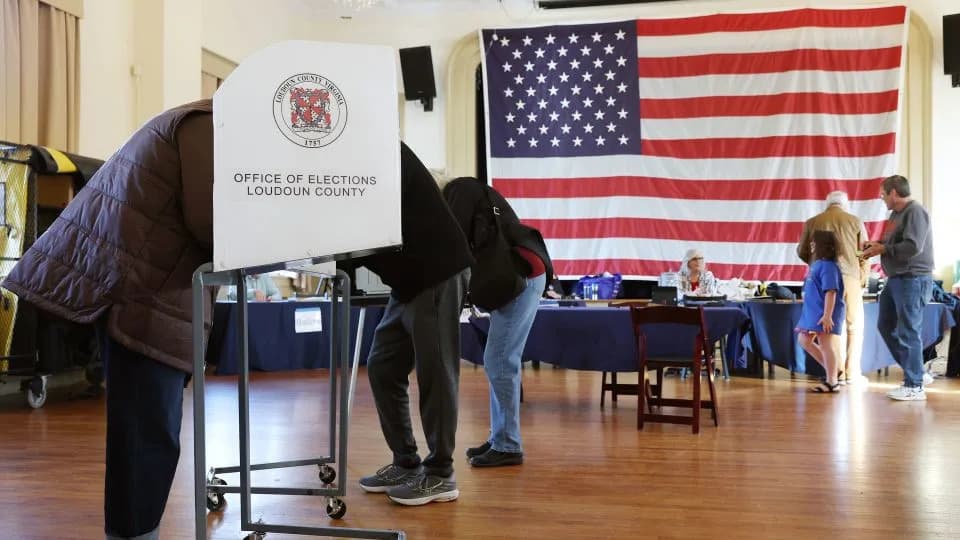
In May 2024, the New Hampshire attorney general indicted Kramer on multiple counts alleging voter suppression and candidate impersonation; the subsequent criminal trial ended in acquittal. The robocall in question used a synthesized voice resembling President Biden and urged New Hampshire primary voters to delay voting in the primary and instead cast ballots in November.
The calls are widely regarded as the first known use of deepfake voice technology in a U.S. political contest, prompting renewed calls for legislation and regulation around AI in elections. Observers say the message likely discouraged thousands of voters from participating in the New Hampshire primary.
Kramer has worked with Rep. Dean Phillips’s (D-Minn.) presidential campaign in the past; he says the campaign was not involved in or aware of the robocall scheme. Legal advocates and election experts say the case highlights new legal and regulatory challenges as synthetic voice technology becomes more accessible.
Help us improve.