The North Carolina federal court has allowed a Republican-drawn congressional map to stand for the 2026 midterms, rejecting challenges from the NAACP, Common Cause and a group of Black and Hispanic voters. The three-judge panel found plaintiffs unlikely to succeed and cited the Supreme Court’s 2019 Rucho v. Common Cause ruling limiting federal court review of partisan gerrymanders. Common Cause warned the decision could enable aggressive mid-cycle redistricting. Similar battles are unfolding in Texas, Missouri and other states as litigation continues.
Court Clears Republican-Drafted North Carolina Congressional Map for 2026, Rejects NAACP Challenge

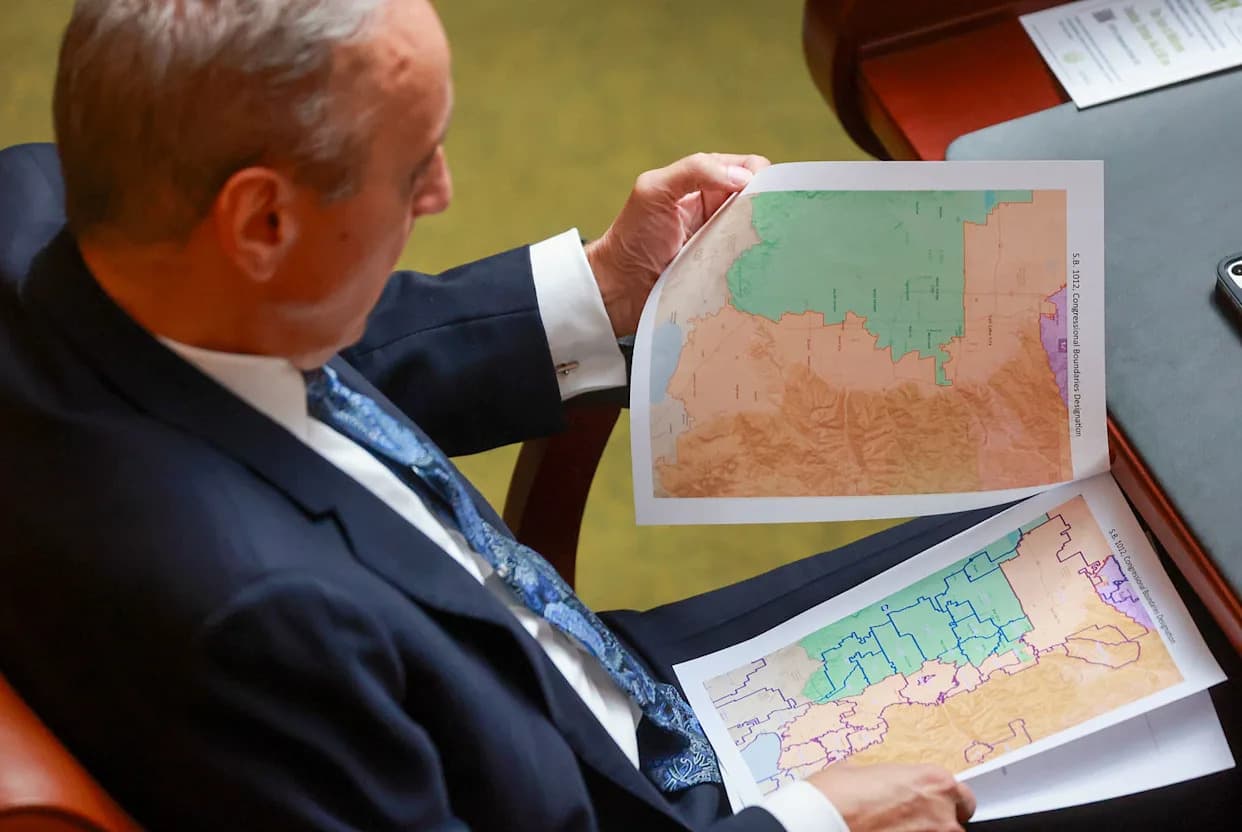
A three-judge federal panel in North Carolina on Wednesday allowed a Republican-drawn congressional map to take effect for the 2026 midterm elections, concluding that challengers had not demonstrated a likelihood of success on claims the plan was unlawful partisan retaliation or diluted Black voting strength.
The suits were brought by the North Carolina State Conference of the NAACP, Common Cause and a group of Black and Hispanic voters. They argued the mid-decade redrawing by the Republican-led General Assembly amounted to unconstitutional political retaliation and weakened the ability of Black voters to elect candidates of choice.
The panel—U.S. Circuit Judge Allison Rushing and U.S. District Judges Richard Myers and Thomas Schroeder, all appointed by Republican presidents—sided with the state. The judges relied on the U.S. Supreme Court’s 2019 decision in Rucho v. Common Cause, which held that federal courts generally lack authority to adjudicate claims of partisan gerrymandering, including some mid-decade redistricting efforts taken for partisan reasons.
"Claims of excessive partisanship in redistricting present political questions not suitable for resolution in federal courts," the panel wrote. "And the Supreme Court has rejected the argument that a mid-decade redistricting undertaken for partisan reasons presents an exception to this rule."
Bob Phillips, executive director of Common Cause North Carolina, criticized the ruling, saying it "gives blessing to what will be the most gerrymandered congressional map in state history." Advocates warn the decision could encourage similar mid-cycle redraws elsewhere and deepen partisan battles over representation.
North Carolina is the third Republican-controlled state this year to undertake a rare mid-decade redistricting following calls from former President Donald Trump, after Texas and Missouri. Democratic-led California has also pursued map changes aimed at several Republican-held districts.
Redistricting typically follows the decennial U.S. Census to reflect population shifts. But recent mid-cycle moves—notably a Texas map intended to flip multiple Democratic seats—have sparked national litigation. A three-judge panel had blocked the Texas plan on Nov. 19, but Supreme Court Justice Samuel Alito temporarily stayed that order while the justices consider whether to extend the block.
The North Carolina ruling clears an immediate legal hurdle to using the contested map in 2026, though further challenges and broader legal questions about mid-decade redistricting remain unsettled across multiple states.
By Nate Raymond
Help us improve.