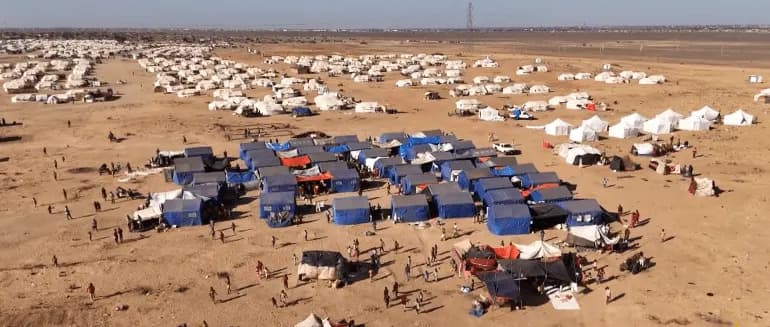
After the RSF seized El Fasher in late October, hundreds of unaccompanied children have arrived in nearby Tawila, many malnourished and traumatized. Aid groups estimate between 450 and 800 unaccompanied minors, while roughly 5,000 people fled with only part of their families. Tawila, once a small village, now hosts hundreds of thousands of displaced people and humanitarian capacity is stretched thin. Agencies warn urgent funding, safe access and expanded health and protection services are needed to prevent further deaths and long-term harm to children.
Hundreds of Unaccompanied Children Arrive in Tawila After El Fasher Falls; Aid Groups Warn of Growing Crisis

Hundreds of children have arrived in Tawila without parents or caregivers after the city of El Fasher fell to the Rapid Support Forces (RSF) in late October. Humanitarian workers report many of these children are severely malnourished, exhausted and traumatized, and local services are overwhelmed.
What happened
El Fasher, once a major stronghold of the Sudanese Armed Forces (SAF) in Darfur, fell to the RSF in late October. The RSF is a paramilitary force with roots in the Janjaweed militias that were central to the 2003–2005 Darfur campaign. The takeover prompted mass displacement amid reports and witness accounts of killings, sexual violence and summary executions.
Who has arrived in Tawila
Estimates vary: Save the Children reports about 450 unaccompanied children have reached Tawila, while MedGlobal puts the figure as high as 800. Aid workers say roughly 5,000 people arrived having fled El Fasher with only part of their families. Many younger children have been taken in by other households en route and therefore may not be registered as unaccompanied.
“We spoke to a 13-year-old girl carrying a five-month-old baby. She had no idea where her mother or siblings were—everyone had been separated,” said Arjan Hehenkamp, Darfur crisis lead for the International Rescue Committee.
Conditions and risks
Before fleeing, many families were already suffering severe food insecurity. The Integrated Food Security Phase Classification (IPC) declared El Fasher to be in famine on November 3, a status that likely reflected months of deteriorating conditions. Travel routes out of the city have been dangerous, with reports of kidnappings, extortion and attacks; many travelers move at night to reduce risk.
Tawila has been dramatically transformed from a small village into a major displacement hub hosting hundreds of thousands of people. Humanitarian organizations report they can meet only about half of basic needs such as water and shelter, and the U.N. migration agency has warned relief operations in North Darfur could collapse without urgent funding and secure delivery routes.
Health, protection and response needs
Children arriving in Tawila face more than hunger: many show signs of severe trauma and require sustained medical, psychosocial and protection support. Francesco Lanino of Save the Children emphasized the need for family tracing and long-term services, saying children also need access to medication, education, mosquito nets and hygiene supplies.
Public-health threats are acute: the U.N. reported about 120,000 suspected cholera cases across Sudan by the end of October with more than 3,000 deaths, and health actors report rapid spread of cholera and malaria in displacement sites. Aid groups warn that without rapid scale-up of services and safe corridors for aid delivery, mortality and long-term suffering will rise.
Voices from the ground
Save the Children and other agencies describe civilians—especially women and children—picking up orphaned youngsters along the route. “Now they are part of my family,” some women told aid workers after sheltering children they found during the flight. Survivors expressed deep fear about the future and the long-term impact of loss and violence on their children.
Urgent needs: safe humanitarian access, immediate funding, expanded medical and protection services, family-tracing programs, and measures to prevent disease outbreaks and protect children from exploitation and violence.
Help us improve.