The newly reported Burtele fossils link a mysterious foot discovered in 2009 to Australopithecus deyiremeda and include a jaw with 12 teeth. CT and isotope analyses indicate A. deyiremeda retained primitive features, had a grasping big toe, and likely fed on leaves, fruit and nuts in wooded habitats. The evidence suggests niche separation with A. afarensis, showing multiple australopiths coexisted and explored different ways of walking and living.
New Fossils Link the 'Burtele Foot' to Australopithecus deyiremeda — A Tree‑Climbing Relative of Lucy

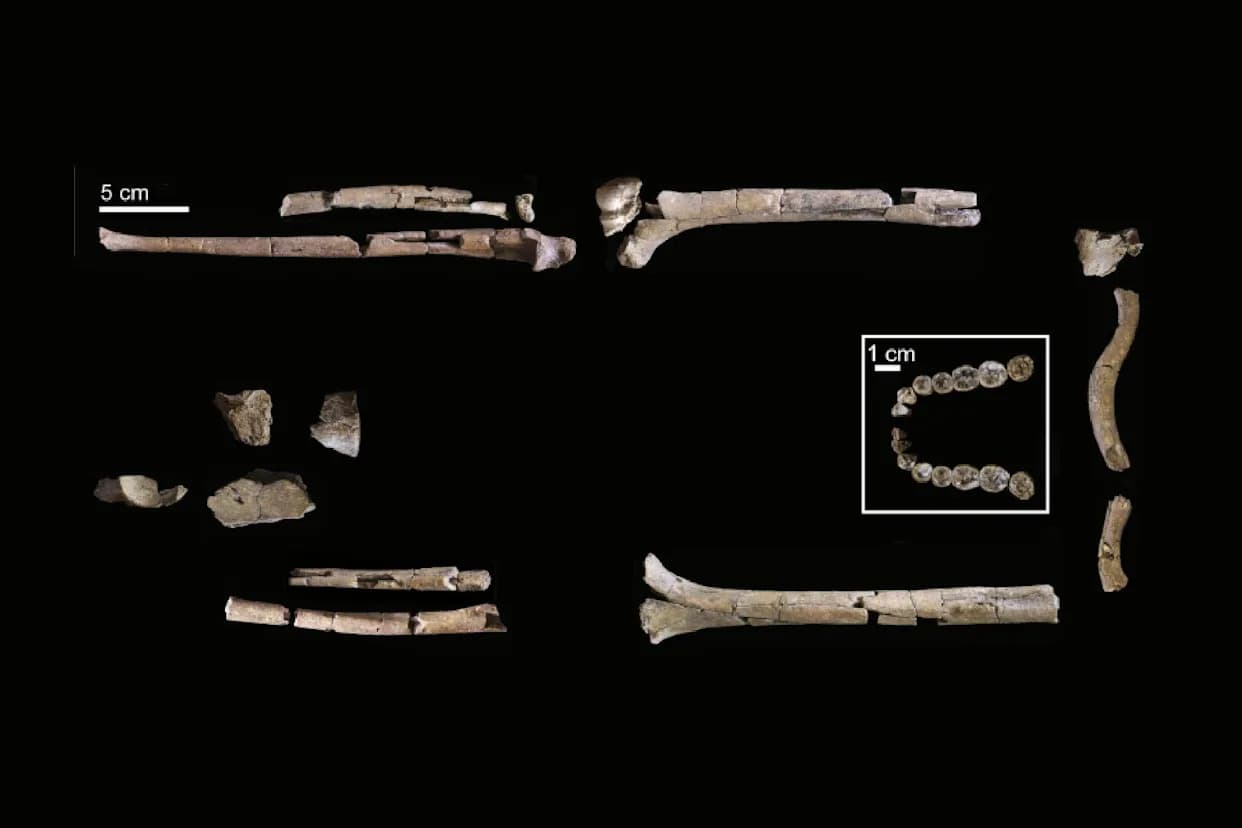
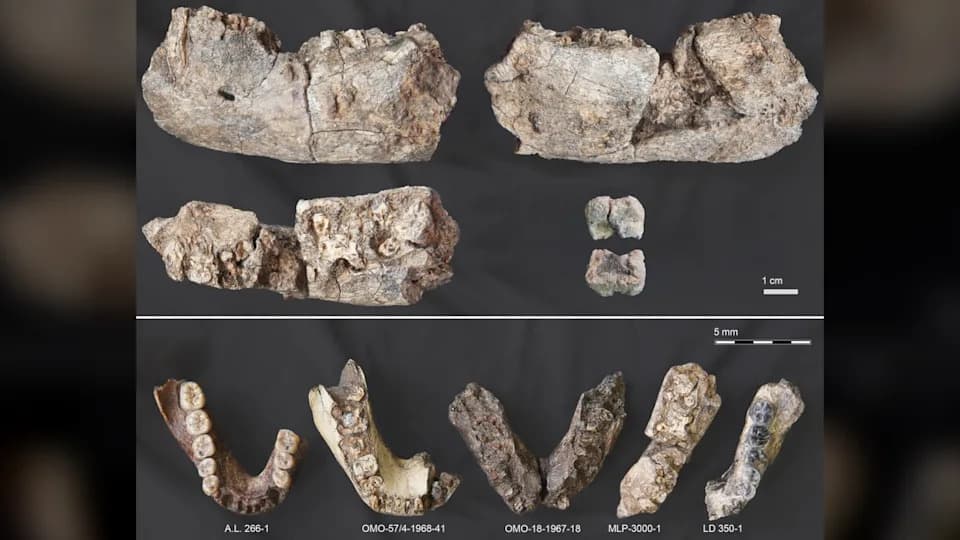
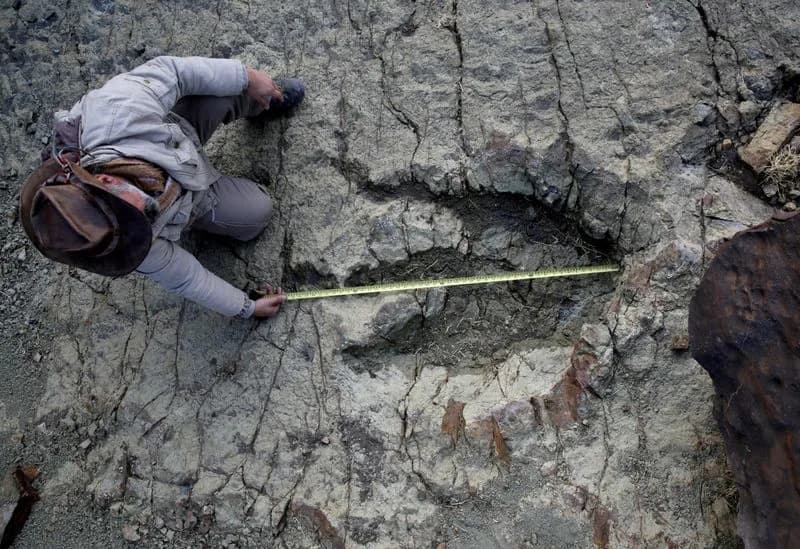
New fossil finds from Burtele in northeastern Ethiopia confirm that the mysterious "Burtele foot," first discovered in 2009, belonged to a little-known human relative named Australopithecus deyiremeda. The fossils, including a jaw with 12 teeth, were described in a study published in Nature and provide fresh detail about how several early hominins shared the same landscape roughly 3.4 million years ago.
What the fossils show
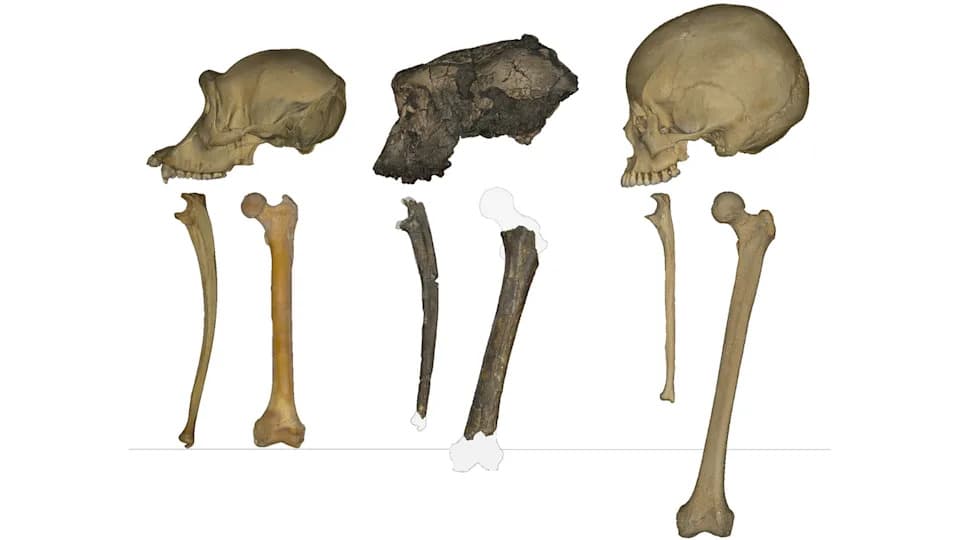
Unlike the famous Lucy (Australopithecus afarensis), the Burtele foot preserves a grasping, opposable big toe — an adaptation more like that of tree-climbing apes. CT scans of the new teeth indicate that A. deyiremeda retained more primitive traits than A. afarensis. Isotope analysis of tooth enamel suggests a diet dominated by leaves, fruits and tree nuts, consistent with a species that spent considerable time in wooded environments.
Coexistence and ecological separation
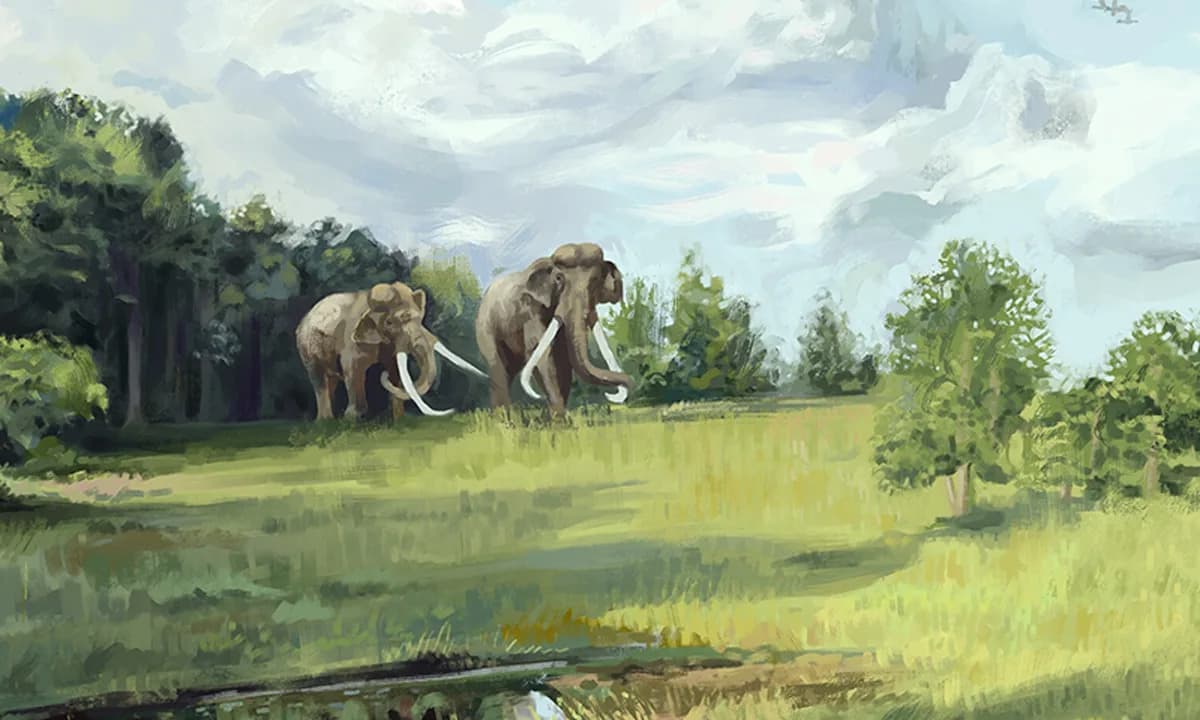
The new evidence supports the idea that multiple australopith species coexisted in the same region by occupying different ecological niches. While A. deyiremeda appears adapted for more arboreal feeding and locomotion, A. afarensis likely used more open, ground-level resources. This niche separation could explain how similar-aged hominins lived in proximity without direct competition.
"We have no doubt about the Burtele foot belonging to the same species as these teeth and the jaw," said lead author Yohannes Haile-Selassie of Arizona State University.
Researchers caution that although A. deyiremeda looks more primitive overall and retains a less human-like foot than A. afarensis, the discovery does not yet displace Lucy's species as the leading candidate for the direct ancestor of Homo. Instead, it highlights how multiple australopiths appear to have been "experimenting" with forms of bipedalism and different combinations of arboreal and terrestrial behavior during the same time period.
Expert response and implications
John McNabb, a palaeolithic archaeologist at the University of Southampton who was not involved in the study, said the new material strengthens the case for recognizing A. deyiremeda as a distinct species and "adds a new player into the mix" in the search for human origins. Scientists say that determining which species ultimately gave rise to Homo will require more discoveries and careful comparative analysis.
The Burtele finds deepen our understanding of early hominin diversity and underscore that human evolution was not a single, linear progression but a branching, experimental process across varied environments.
Help us improve.