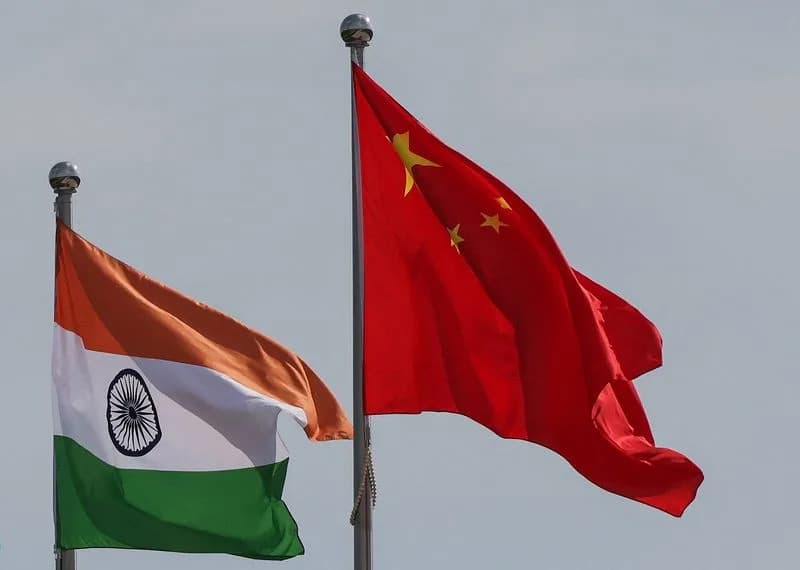
An Indian national from Arunachal Pradesh says she was detained and questioned for 18 hours at Shanghai Pudong International Airport after officials noticed her passport listed Arunachal Pradesh as her place of birth. The incident has revived a long-standing territorial dispute between India and China, with both sides issuing strong statements.
What happened
Prema Wangjom Thongdok, an Indian citizen living in the United Kingdom, was en route to Japan when she transited through Shanghai Pudong Airport. Thongdok says she passed through an automated e-gate but was then singled out by an official who repeatedly shouted "India" and told her her passport was "invalid" because she was born in Arunachal Pradesh. She alleges the officials detained and harassed her for up to 18 hours and pressured her to buy a new ticket on a Chinese carrier, which caused her to lose other bookings. With help from a friend in the UK, she contacted the Indian consulate in Shanghai; Indian consular staff later escorted her onto a late-night flight out of the city.
Why Arunachal Pradesh is contentious
China claims Arunachal Pradesh — which it refers to as "Zangnan" or southern Tibet — and does not recognise India’s governance of the entire state. The disagreement traces back to the 1914 Simla Convention and the McMahon Line, a frontier drawn by British negotiators and Tibet that India recognises as its border. China rejects the McMahon Line and maintains the boundary should be negotiated.
Historically, Beijing focused on specific areas such as Tawang. In recent years, Chinese assertions have broadened to encompass the whole state, and the issue has become more prominent under the leadership of President Xi Jinping, who has emphasised a robust defence of territorial claims.
Visa practice and past incidents
Since 2005, China has employed a controversial practice of issuing stapled-entry documents rather than stamping visas for travellers it identifies as being from Arunachal Pradesh. China argues it cannot stamp visas into passports of people it regards as Chinese; India refuses to accept stapled documents because doing so would imply accepting China’s claim. This policy has disrupted travel for athletes and delegations in the past, leading to high-profile withdrawals from events and official protests.
Historical clashes and strategic value
Arunachal Pradesh is strategically important: it forms part of India's eastern frontier, borders Myanmar, is close to Bhutan, and sits along routes linking India to Southeast Asia. The area is also of cultural and religious significance — the sixth Dalai Lama was born near Tawang.
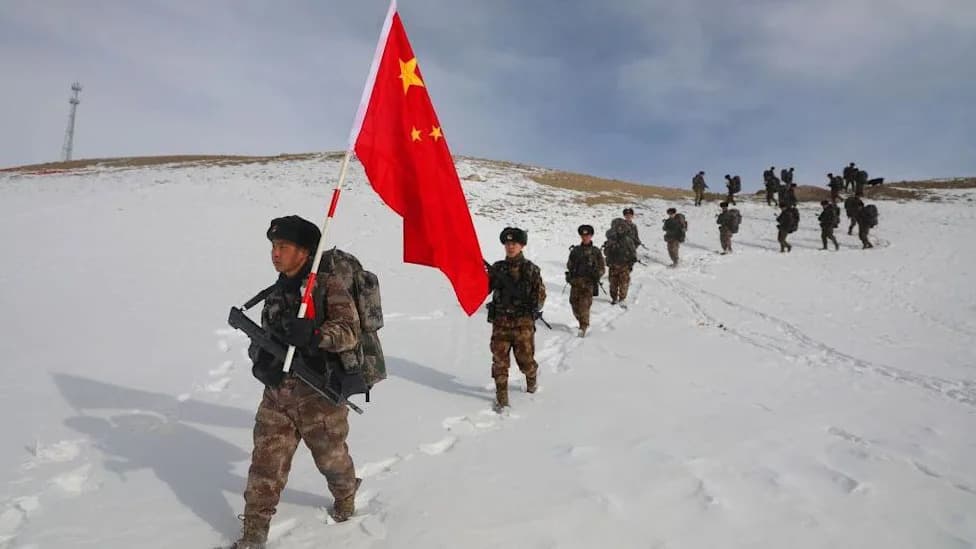
The region was a theatre in the 1962 Sino-Indian War and saw other clashes in subsequent decades, including a deadly skirmish at Tulung La in 1975. While the Arunachal frontier remained broadly quiet for decades, broader India-China tensions erupted again after deadly clashes in Ladakh in 2020.
Recent developments and symbolic moves
Tensions have been fuelled by infrastructure and symbolic actions. Beijing approved a dam in Medog County, Tibet, near the border; India approved the Siang Upper Multipurpose Project in Arunachal Pradesh in response, citing flood control and strategic concerns — a project critics warn could displace Indigenous communities. In September 2024, India named an unnamed peak in Arunachal after the sixth Dalai Lama, prompting a formal protest from China.
Official responses to the Shanghai incident
Chinese Foreign Ministry spokesperson Mao Ning reiterated Beijing’s position that "Zangnan is China’s territory" and said Chinese authorities had acted in accordance with laws and regulations, providing the traveller with rest facilities and meals and not subjecting her to compulsory measures. India’s Ministry of External Affairs spokesperson Randhir Jaiswal responded that "Arunachal Pradesh is an integral and inalienable part of India" and said New Delhi has taken up the alleged detention strongly with Chinese authorities, arguing that the actions violated international transit rules.
What this means for bilateral ties
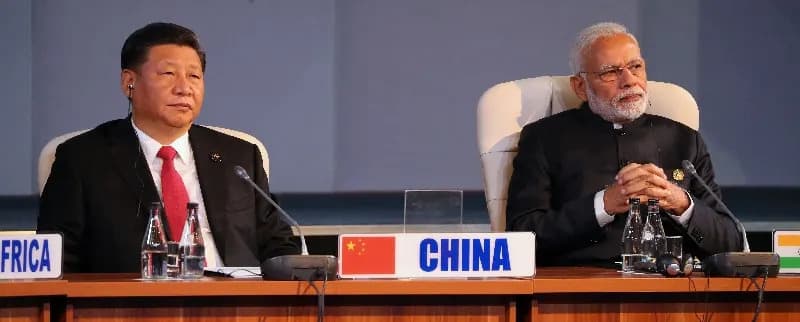
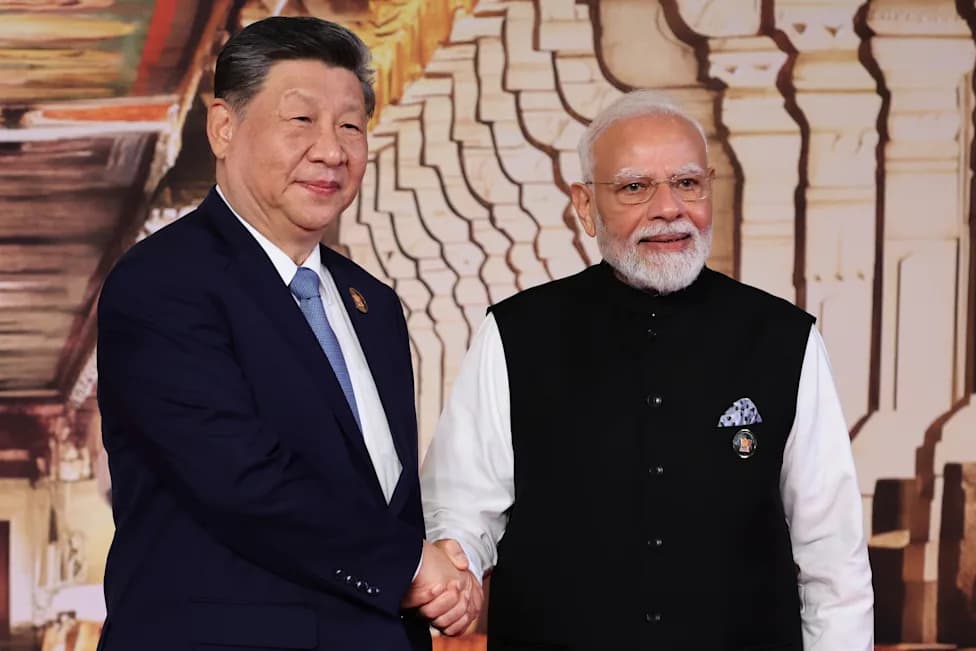
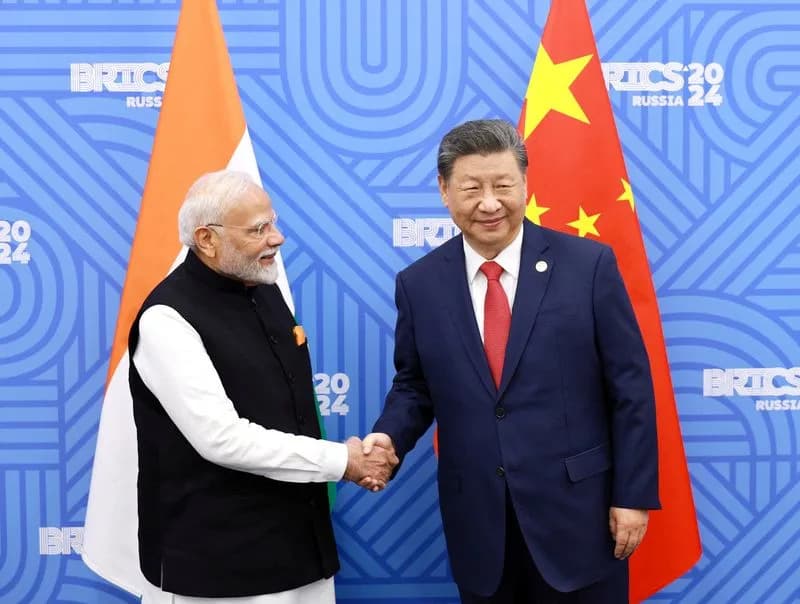
Analysts say the episode is a serious diplomatic irritant but not necessarily a decisive rupture. Relations between New Delhi and Beijing have been competitive and occasionally confrontational, punctuated by efforts at de-escalation and dialogue. High-level engagements and troop disengagements in recent years signal both sides’ interest in managing tensions even as strategic rivalry continues.
Key takeaway: The Shanghai transit incident reflects deeper, unresolved competition over territory, identity and strategic influence. It underscores how everyday acts — like listing a birthplace on a passport — can become flashpoints in a broader geopolitical contest.