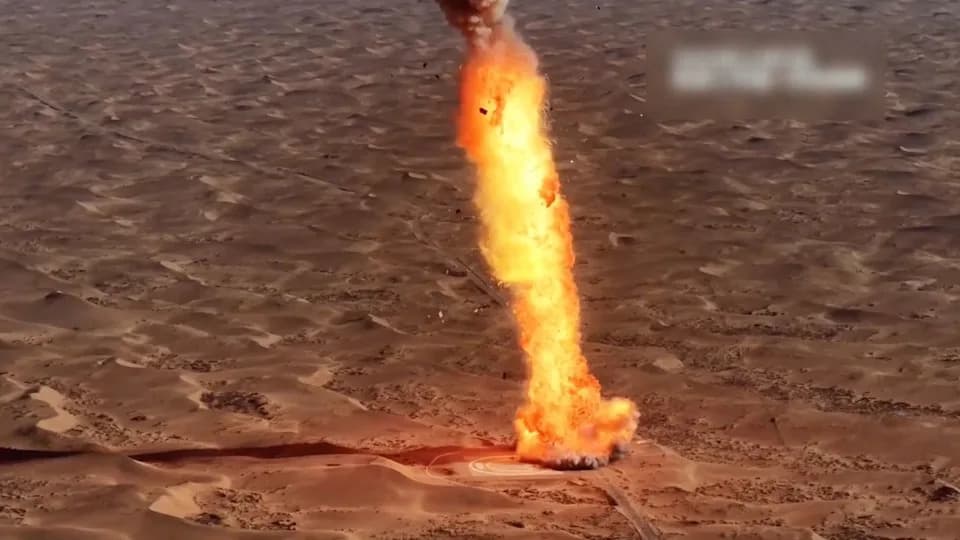
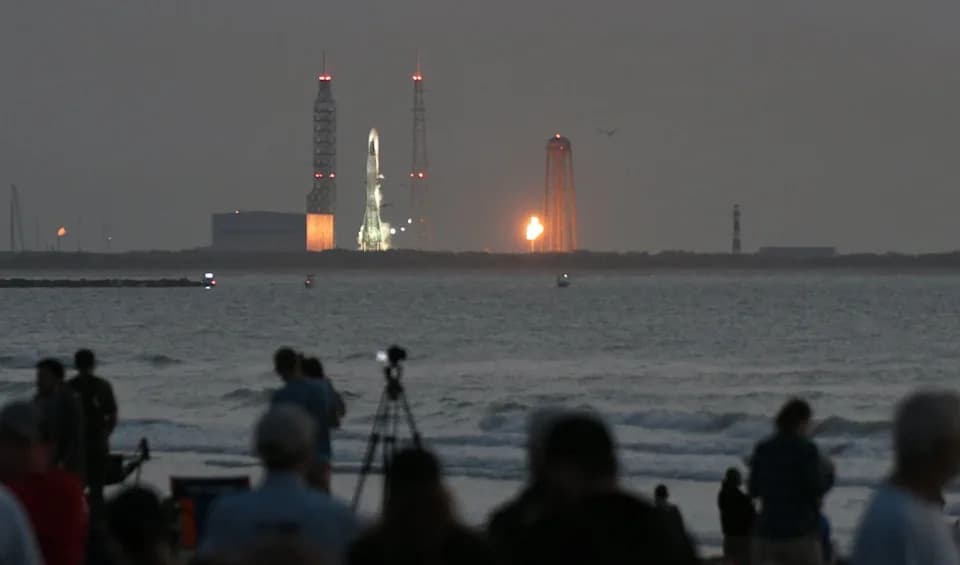
LandSpace's Zhuque-3 is scheduled for a maiden flight this Saturday; if reusable, it could cut launch costs and speed deployment of satellites. China’s commercial space sector has exploded to more than 90,000 firms and a market value that surpassed 1 trillion yuan in 2020, growing at roughly 22% annually. Analysts see a progression from Falcon 1–class rockets to reusable medium-lift vehicles that could support national constellations like GuoWang and Qianfan. Regulatory moves in Beijing aim to streamline approvals and boost commercial satellite services.
China’s LandSpace Prepares Zhuque-3 Reusable Rocket Test — Elon Musk and Analysts Take Notice
Beijing-based start-up LandSpace plans to attempt the maiden flight of its reusable Zhuque-3 rocket this Saturday, a test that could reduce the cost of launching satellites and accelerate China's commercial space ambitions.
Why this launch matters
Reusable launch vehicles — a capability popularized by US firm SpaceX — can sharply cut per-launch costs and increase launch cadence. If Zhuque-3 proves operational, it would mark a major step for China’s private space sector by enabling more affordable deployment of large low-Earth-orbit (LEO) constellations and other commercial payloads.
Rapid industry growth
China’s commercial space sector has expanded rapidly. The corporate database Qichacha shows more than 90,000 space-related companies in China, nearly 60% of which were founded in the past three years. The market passed a valuation of 1 trillion yuan (about US$141 billion) in 2020 and has continued to grow at an estimated compound annual growth rate of roughly 22%. Analysts at the China Centre for Information Industry Development projected the market could reach about 2.8 trillion yuan by 2025.
Technology and competition
Images and data from several Chinese reusable launch designs have drawn comment from SpaceX CEO Elon Musk, who observed that some models appear to combine elements of SpaceX’s Falcon 9 architecture with aspects reminiscent of Starship. Musk said certain designs could potentially "beat Falcon 9" while noting that Starship remains in a different performance tier.
A Citic Securities report noted that Chinese companies have already launched liquid-fuel rockets comparable to SpaceX’s early Falcon 1. The report sees the next step as developing reusable medium-lift vehicles similar to Falcon 9, which would support ambitious Chinese satellite-internet projects such as GuoWang and Qianfan and carry computing-focused satellites that require higher payload capacity.
Regulatory and commercial support
Beijing is creating a more supportive environment for satellite services. The Ministry of Industry and Information Technology (MIIT) announced commercial trial operations for satellite-based Internet of Things (IoT) services, and the State Administration of Science, Technology and Industry for National Defence has included an "aerospace regulatory" role in recruitment notices for a newly formed commercial space department. Analysts say these steps could consolidate previously scattered functions, speed up launch approvals, and streamline satellite-operating licenses.
What to watch next
If Zhuque-3 achieves a successful reusable flight, it would be a technical milestone and a strong signal of China's growing capability in commercial space. Observers will be watching the vehicle’s recovery approach, turnaround time, and the broader impact on launch costs — all factors that will determine how quickly China can scale satellite deployments and compete globally.
Help us improve.