Summary: Russian Foreign Minister Sergey Lavrov warned that Moscow may reject the U.S. framework for a Ukraine peace deal if it fails to preserve the "spirit and letter" of commitments made at the Alaska summit between Presidents Trump and Putin. Russia has insisted on strict terms, including barring Ukraine from NATO and ceding the remaining Donbas. Analysts say Moscow’s intransigence has been a major obstacle and call for sustained Western military and economic pressure. U.S., Russian and Ukrainian delegations have held talks in Abu Dhabi while key details remain unresolved.
Lavrov Warns Russia May Reject U.S. Ukraine Peace Framework if Alaska Summit Terms Are Ignored

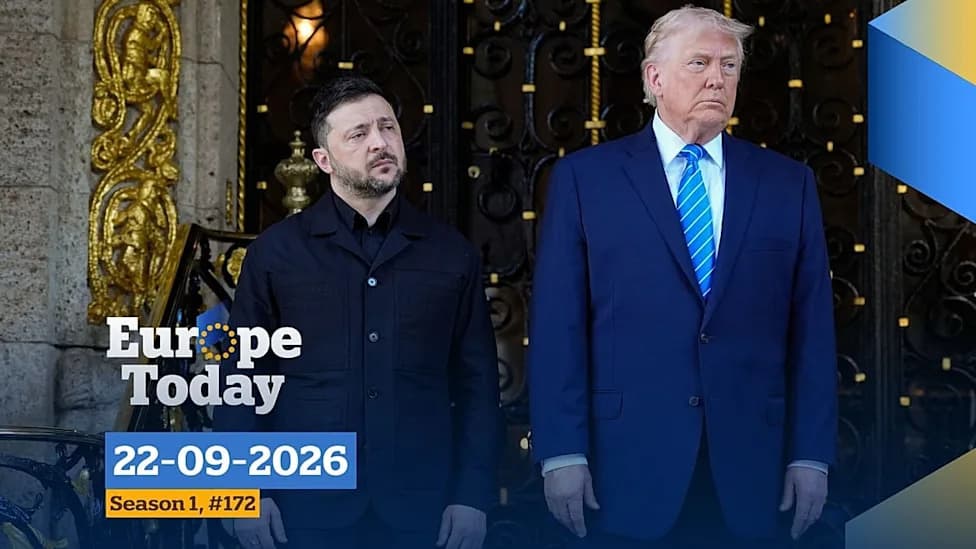
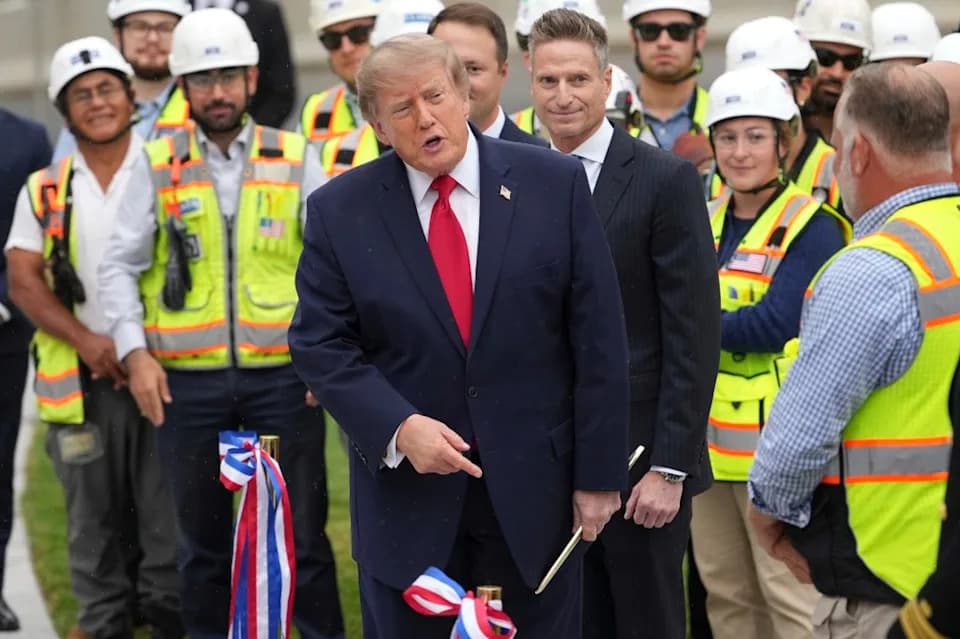
Russian Foreign Minister Sergey Lavrov warned Tuesday that Moscow could refuse the White House’s proposed framework for a Ukraine peace deal if it does not preserve the "spirit and letter" of the understandings reached at the August Alaska summit between Presidents Donald Trump and Vladimir Putin.
At a news conference, Lavrov said Russia is waiting to see the updated version of the U.S. proposal, which aims to end the nearly four-year conflict in Ukraine. He said Moscow expects the plan to reflect the key commitments discussed in Alaska and cautioned that discarding those elements would make the diplomatic situation "fundamentally different."
Russian negotiating stance and international reaction
Throughout negotiations, Russia has maintained what many analysts call a maximalist position, insisting that any settlement bar Ukraine from joining NATO and require Kyiv to cede control of the remaining territory in the Donbas region. Moscow’s firm demands have been cited repeatedly as a major obstacle to reaching a deal.
"The United States has really shot itself in the foot by kind of flip-flopping between strategies. One month you're trying to pressure the Russians and saying they're the obstacle to peace. The next minute you're trying to, you know, force their terms on Kyiv," said John Hardie, deputy director of the Foundation for Defense of Democracies' Russia Program.
Hardie added that sustained military assistance for Ukraine combined with economic pressure on Russia is necessary to preserve Kyiv's negotiating position and to demonstrate continued Western resolve.
"Vladimir Putin’s strategic objective has always been to overthrow the democratically elected government of Ukraine. He’ll engage in negotiations, but he does it to ensure that he’s asserting the primacy of Russia in his self-designated sphere of influence," said former CIA station chief Dan Hoffman. "I just don’t see any evidence that Russia is going to pause in their relentless attacks on Ukraine."
Diplomatic contacts
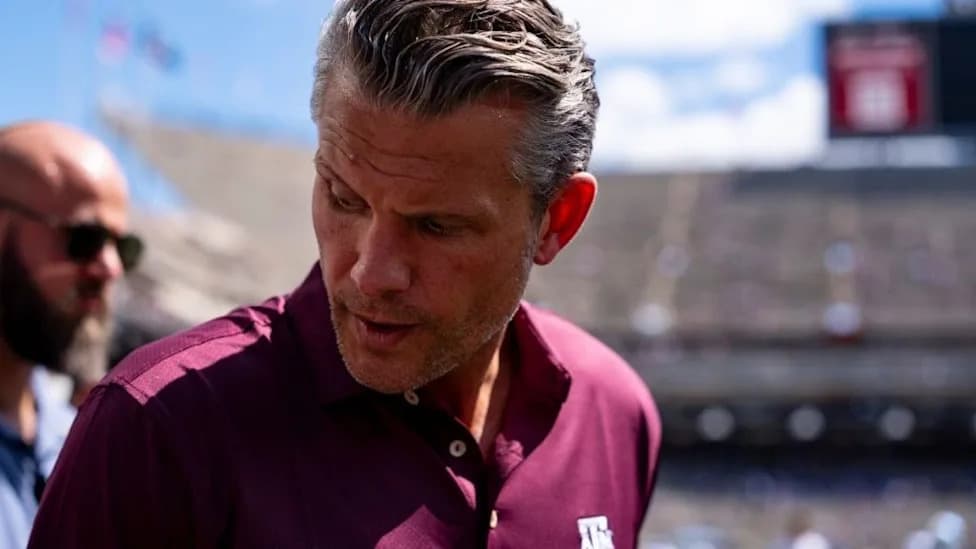
A U.S. official said Ukraine agreed in principle to a peace deal intended to end the war, though several details still need to be finalized. U.S. Army Secretary Dan Driscoll met with Russian officials in Abu Dhabi while Ukrainian representatives were reported to be in contact with Driscoll’s team as talks continued.
With key clauses still contested and Moscow signaling it may reject any framework that deviates from the Alaska understandings, analysts say significant diplomatic and political hurdles remain before a final agreement can be reached.
Help us improve.