Cuba has condemned what it calls an "exaggerated and aggressive" US military buildup in the Caribbean, warning such moves could spark widespread violence and violate international law. US forces have reportedly struck more than 20 vessels in recent months, with authorities claiming at least 83 deaths though evidence of narcotics aboard those boats has not been publicly released. Washington is considering further options on Venezuela while senior US military officials tour the region; Caribbean leaders have offered mixed responses, with most urging restraint.
Cuba Warns US Military Buildup in Caribbean Could Trigger Violent Intervention in Venezuela

Cuba has sharply criticized the United States for what Havana calls an "exaggerated and aggressive" military posture in the Caribbean that risks provoking violence and destabilising the region. The warning comes as Washington weighs additional measures toward Venezuela and as US forces and senior officials increase activity across nearby island states.
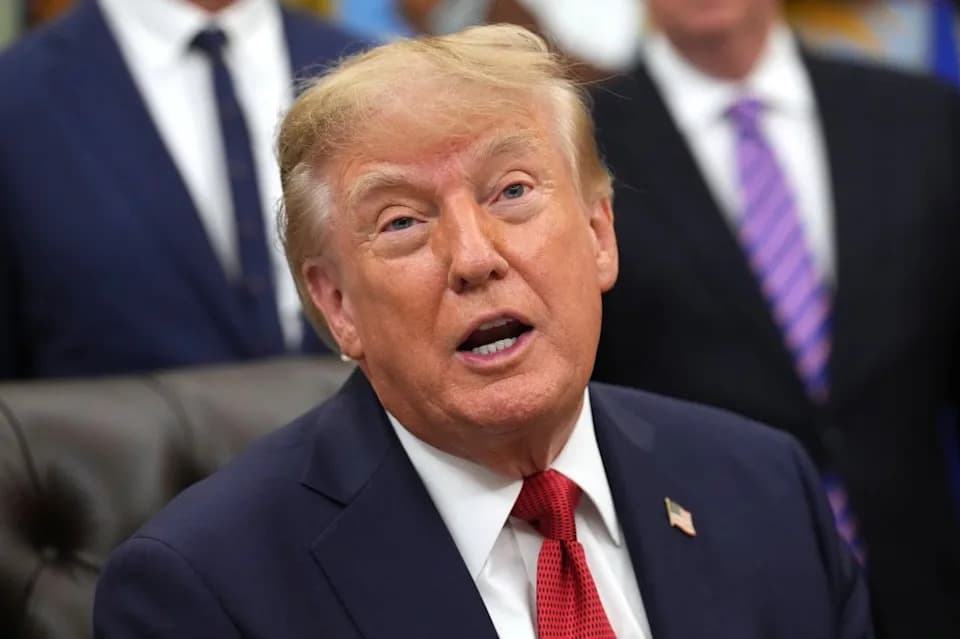
"We appeal to the people of the United States to stop this madness,"Cuba's Foreign Minister Bruno Rodríguez said in a statement, adding that further escalation could cause "an incalculable number of deaths" and would violate international law and the UN Charter.
US officials have acknowledged a recent surge in operations aimed at disrupting drug trafficking: they say more than 20 vessels believed to be involved in illicit shipments were struck in the Caribbean Sea and the Pacific Ocean over the past two months. Authorities report at least 83 deaths in those strikes, but have not publicly released clear evidence that narcotics were aboard the targeted boats. Legal experts cited by regional observers say even proven presence of drugs would not necessarily justify the strikes under international law.
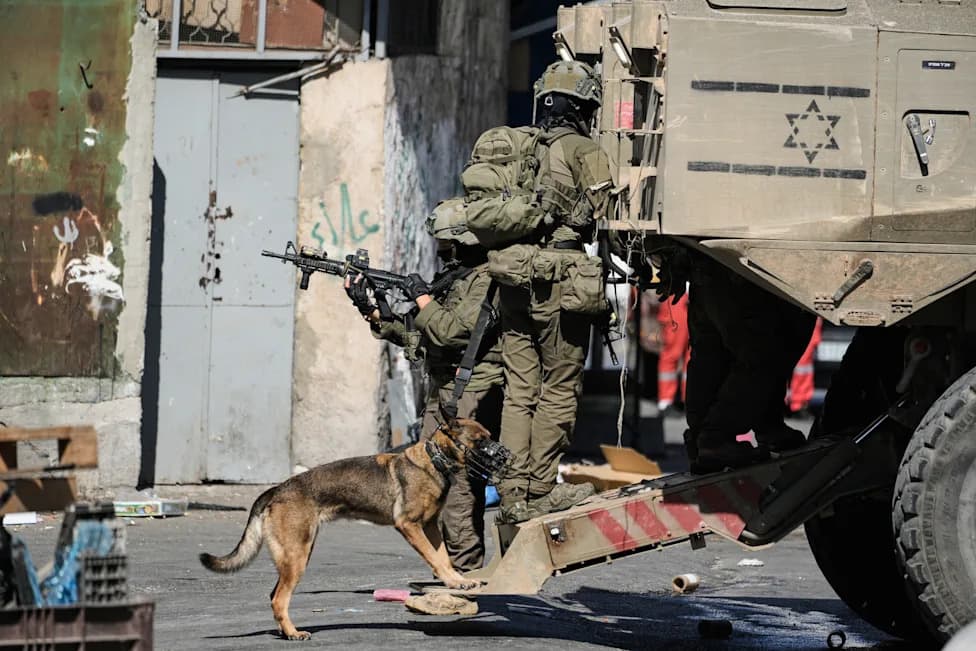
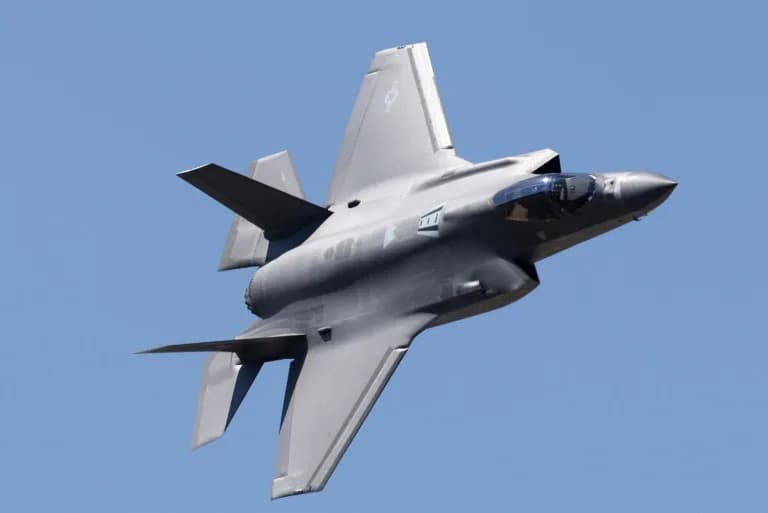
The US military footprint in the region has grown significantly, with roughly 15,000 personnel now reported to be stationed across the Caribbean. At the same time, the US government has kept a multimillion-dollar reward for President Nicolás Maduro and, according to officials, authorised covert operations in Venezuela — moves Maduro denounces as an attempt to force him from office.
Washington has not formally ruled out stronger options. Reports that US planning has considered measures to remove Venezuela’s leadership have intensified fears of direct intervention, even as the White House maintains its stated goal is to pressure Caracas rather than execute regime change.
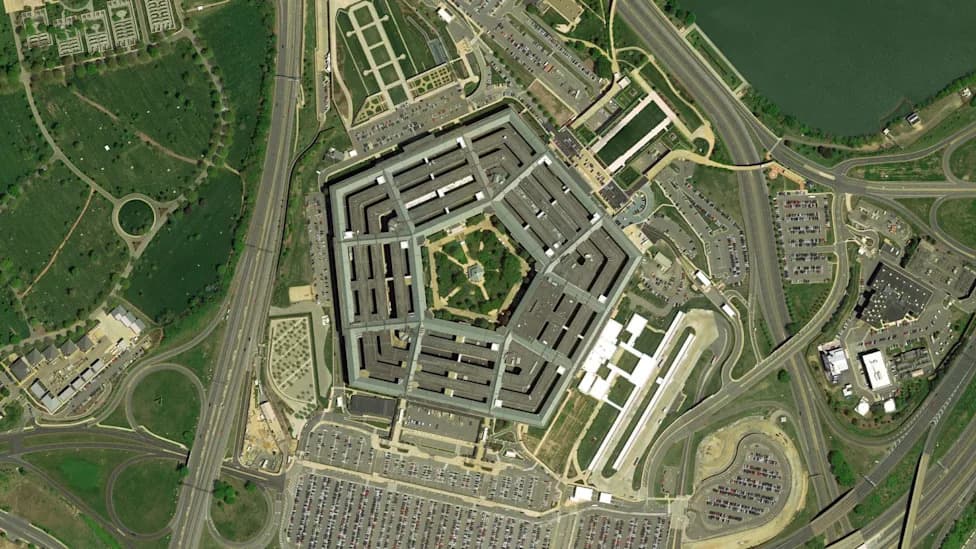
In recent days, senior US military leaders have toured Caribbean capitals to meet regional officials and reassure partners. Pentagon statements describe the visits as efforts to "strengthen defence relationships, address shared threats and deepen cooperation" on issues such as illicit narcotics and transnational crime. Most Caribbean governments have urged restraint and dialogue in response to the strikes; a minority of leaders have expressed more explicit support for aggressive measures.
Havana's denunciation underscores growing regional concern that a sharper US approach to Caracas could trigger broader instability. Cuban officials say diplomacy and legal channels should guide responses to Venezuela’s crisis rather than unilateral military action.
Help us improve.