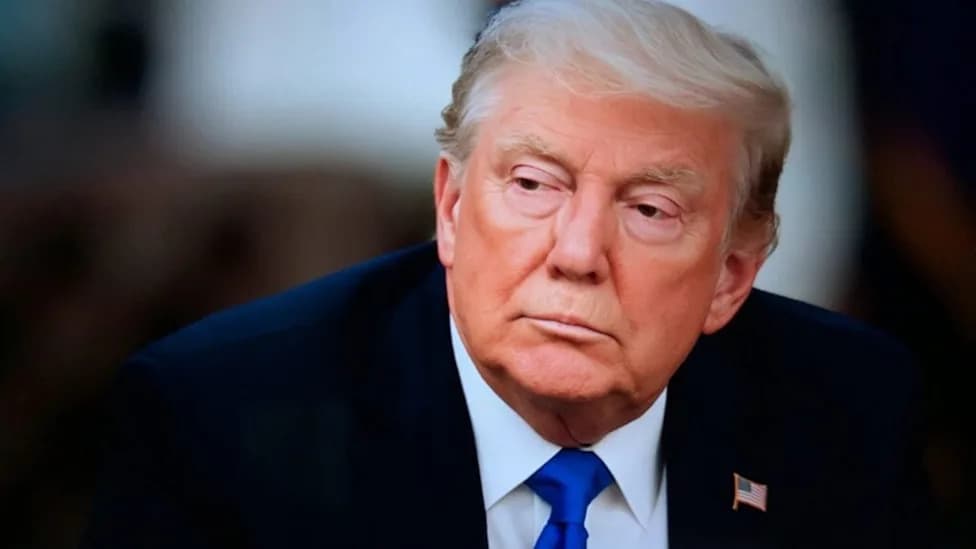
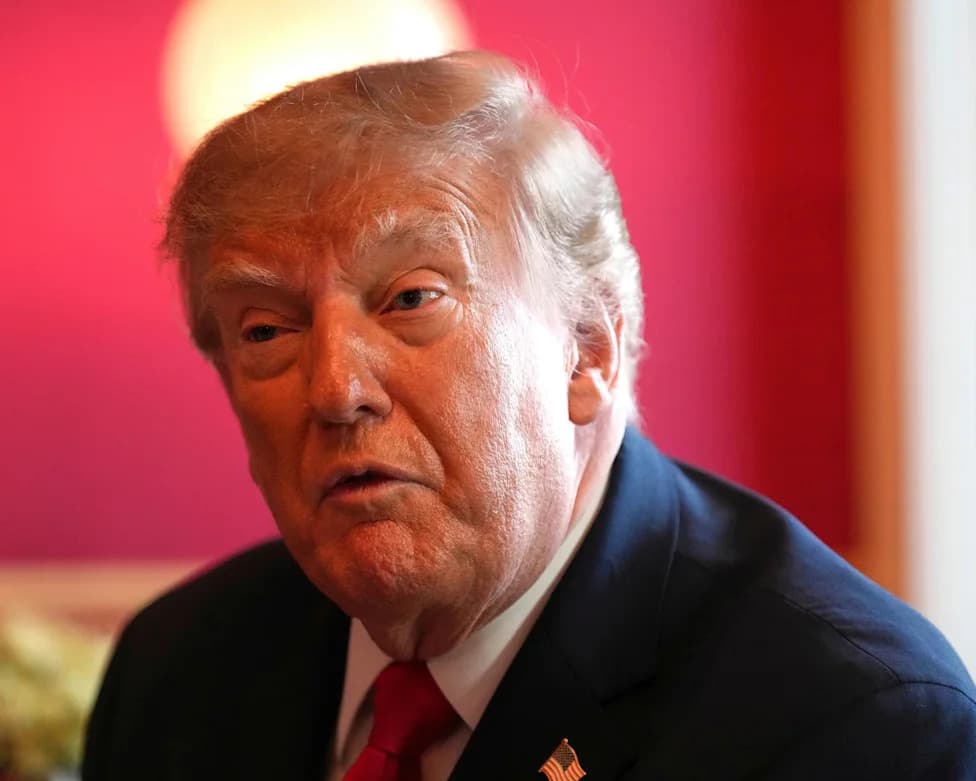
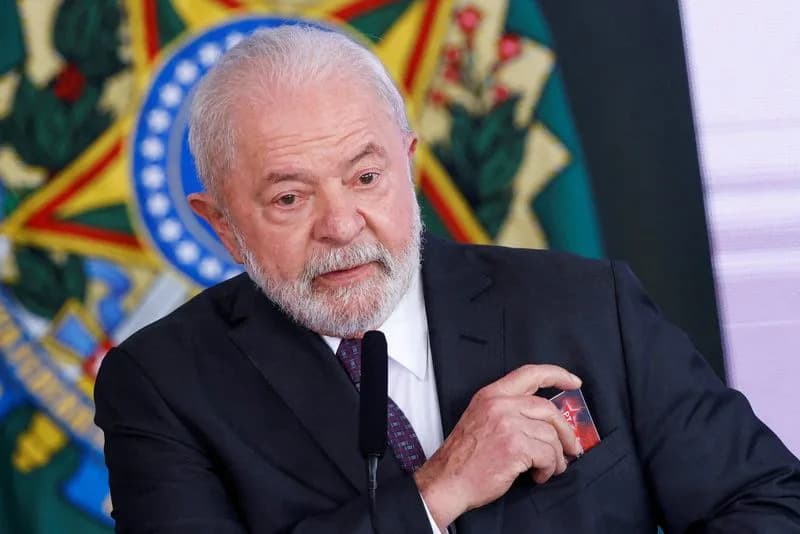
President Trump’s warm reception of New York mayor-elect Zohran Mamdani drew varied reactions, but many South Asians recognized a familiar pattern: practiced, polite deference that masks independent intent. Commentators and community members likened Mamdani’s subdued smile, respectful tone and deft pivots to cultural social skills honed in immigrant families. Supporters say the approach diffused tension and undercut hostile narratives; critics worried about optics. Observers emphasize that what seems like placation can also be a strategic form of influence.
The 'Desi' Playbook: How Zohran Mamdani’s Politeness Disarmed Donald Trump

President Donald Trump greeted New York City mayor-elect Zohran Mamdani warmly at the White House last week. The meeting prompted many different interpretations — from political strategists seeing tactical advantage to local observers noting two Queens natives meeting in Washington — but for many South Asians the interaction felt familiar in a very specific way.
Why many saw a cultural script
Several commentators and community members described Mamdani's restrained smile, respectful head tilt and calm reframing of questions as a form of practiced deference common in South Asian families. A recent editorial observed that this manner can often mask a parallel confidence: the outward signals of respect that preserve relationships while the younger person quietly steers policy and intent.
'What Zohran did was not extraordinary statesmanship but a time-tested cultural move — the desi art of letting the elder talk while quietly keeping the steering wheel of our own intent,' wrote Indian diarist Kedar Gadgil.
Actor and singer Yamuna Meleth, who grew up in an Indian immigrant household in Alabama, described the approach as 'Desi training.' She said it teaches younger generations to manage elder authority without conceding their goals: 'There is a patience that is instilled in you and a sort of acceptance, almost like you’re trained to let it go in one ear and out the other.' The tactic, she added, is to let elders feel heard while retaining control of your agenda.
In the Oval Office, Mamdani demonstrated that dynamic. When asked whether New Yorkers loved Trump, he pivoted to his core message about affordability and acknowledged that some voters had shifted toward Trump because his 2024 campaign emphasized cost-of-living concerns. Trump responded by underlining perceived similarities and expressing support: 'Some of his ideas really are the same ideas that I have,' he said at one point.
Critics on the left questioned the optics of meeting with a divisive president. Supporters argued Mamdani's measured demeanor defused immediate attacks, blunt rhetoric and fears about heavy-handed responses — for instance, talk of a National Guard deployment to New York City — at least for now.
Houston-based therapist Afshana Haque, who works extensively with South Asian clients, described the interaction as similar to how many younger people navigate unsolicited advice from relatives at family gatherings. 'Where many Western contexts prize directness, some non-Western traditions view bluntness as disrespectful,' she said. 'So people learn to balance appeasement with self-preservation. It takes emotional energy, but it can also be a strategic strength.'
Context and contrast
Mamdani’s cordial approach stood out against other high-profile Oval Office meetings that became confrontational. For example, a February meeting with the Ukrainian president turned heated, and a May visit from the South African president escalated into tense exchanges. Observers suggest one explanation is purely political: the president adapts his tone when it suits his interest. But for many in the diaspora, the 'uncle-disarmament' technique is more than optics — it’s a culturally reinforced skill that can yield political room to maneuver.
Whether Mamdani’s demeanor was the product of upbringing, careful preparation by his team, or simply catching the president in a cooperative mood is not the central point for those who recognized the pattern. For them, the meeting showcased a practiced ability to keep relationships intact while quietly asserting one’s own priorities.
Help us improve.