
Zohran Mamdani’s election as New York City mayor marked a historic first — he is the city’s first Muslim and first Shia mayor — and prompted a rare moment of unity among Muslim New Yorkers. Residents and community leaders across Queens and university centers described pride and affirmation as Sunnis and Shias celebrated together. Mamdani attributes his politics to lessons from his grandparents about justice, and his candidacy weathered Islamophobic attacks while focusing on affordability and civic inclusion. Many say his victory offers an opportunity to reduce sectarian tensions and strengthen solidarity.
Zohran Mamdani’s Historic Win Unites New York’s Muslim Community — Easing Longstanding Shia–Sunni Divisions

Mayor-elect Zohran Mamdani at his transition office in New York on Dec. 10. (Roshni Khatri for NBC News)
Zohran Mamdani’s election as New York City mayor has become more than a historic first for many Muslim New Yorkers — it has become a rare moment of recognition and unity across the city’s Muslim community, and a particularly meaningful milestone for Shia Muslims who have often felt marginalized even within their own faith communities.
Celebrations and Personal Moments
For Fizza Jaffari, the feeling of possibility crystallized the night Mamdani clinched victory. Watching returns from a cafe in Astoria — a diverse Queens neighborhood with a large Muslim population — she remembered cheers and car horns as New Yorkers celebrated not only the city’s first Muslim mayor but also its first Shia officeholder.
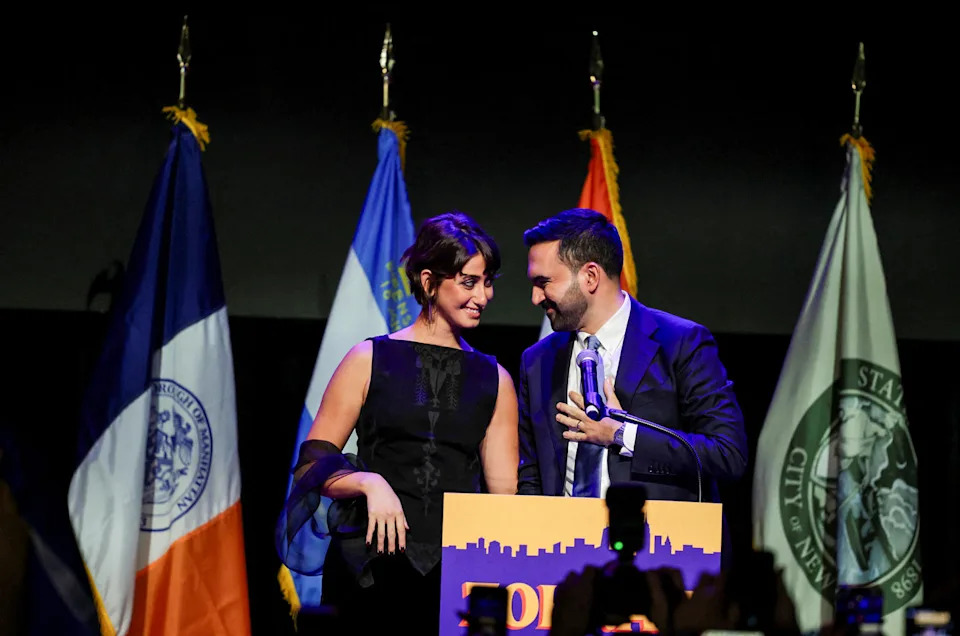
Zohran Mamdani celebrates with his wife, Rama Duwaji, at an election night rally in New York on Nov. 4 after winning the New York mayor's race. (Jeenah Moon / Reuters file)
“It was a once-in-a-lifetime type of moment,” Jaffari, 33, said. “I haven’t really experienced that, especially because we’re not always in these high-power offices.”
Identity, Faith and Family Lessons
Mamdani traces the moment to lessons from his paternal grandparents, who taught him that Shia faith carries commitments to justice, dignity and resisting oppression. “They didn’t just teach me what it meant to be Shia. They didn’t just teach me what it meant to be a Muslim,” Mamdani said in an interview. “They also used those lessons to teach me what it meant to be a good person.”
For many residents, the win had personal resonance. Maira Raza, 32, said she had often hesitated to tell Sunni friends she is Shia because of stigma or misunderstanding. “People I’ve spoken to or friends I’ve had have ostracized me or made me feel ‘other than’ because of it,” Raza said, adding that sectarian identity has even affected marriage prospects for some in the community.
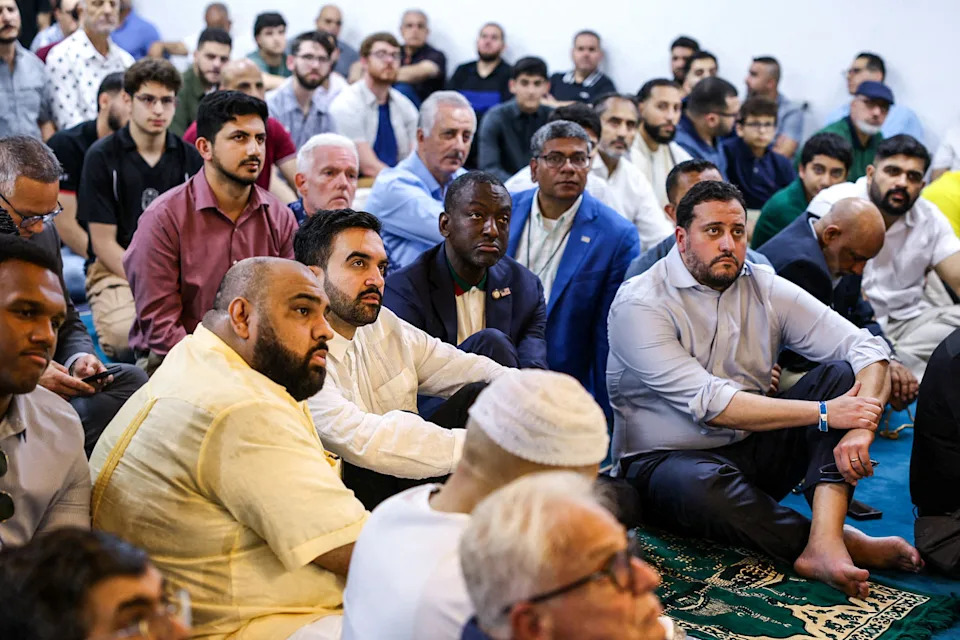
Mamdani sits among people as he visits a mosque in San Juan, Puerto Rico, Nov. 7. (Ricardo Arduengo / Reuters file)
Historical Context And Shared Beliefs
The split between Shia and Sunni Islam dates to disagreements over succession after the Prophet Muhammad’s death in the seventh century. Those who supported Ali, the prophet’s cousin and son-in-law, became known as Shia; Sunnis favored a broader selection process for leadership. Over time the schism deepened — notably after the killing of Hussein, the prophet’s grandson, which remains central to Shia identity and is commemorated as a symbol of resistance to injustice.
Despite theological and ritual differences, Shia and Sunni Muslims share core beliefs. In the United States, Shia Muslims represent roughly 10%–15% of the Muslim population and sometimes face discrimination within broader Muslim communities.
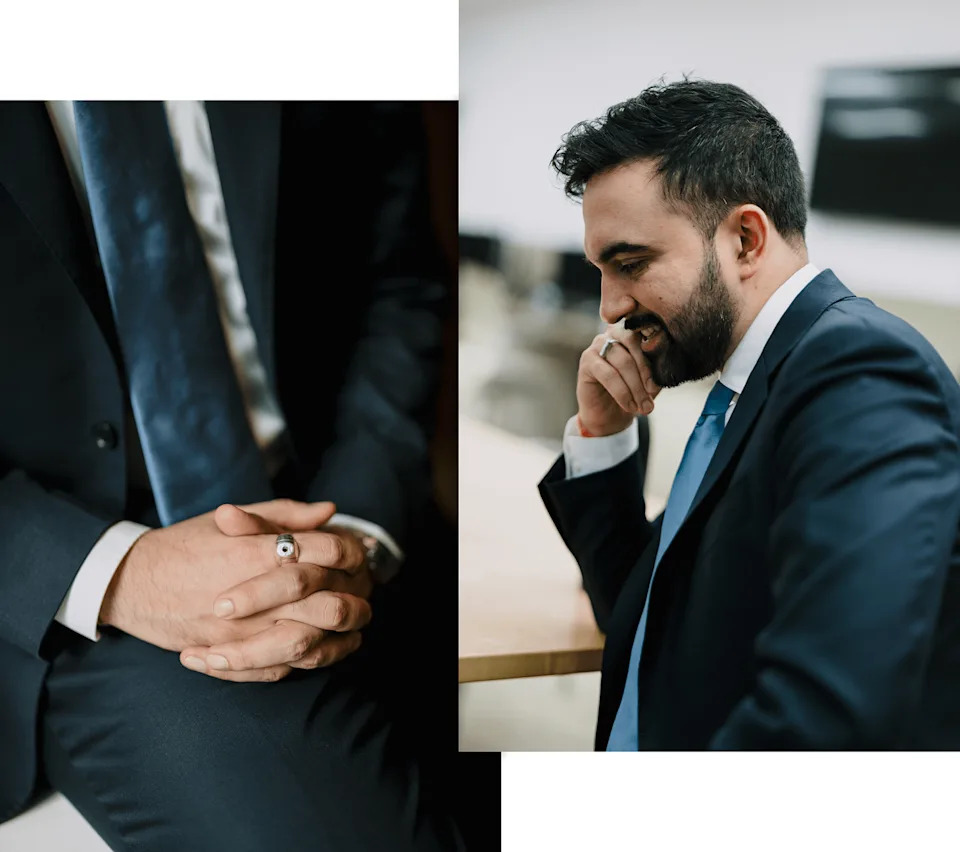
Mamdani calls it an "immense privilege" to represent all New Yorkers. (Roshni Khatri for NBC News)
Cross-Community Support And Reactions
Against that backdrop, Mamdani’s victory stood out as a rare moment in which many Shia New Yorkers felt embraced by a broad cross-section of the city’s Muslims. “I have so many Sunni friends, and none of them have said anything about him being Shia,” Raza said. “Everyone’s just like, ‘He’s Muslim,’ and they’re just so proud.”
Some Sunni Muslims said Mamdani’s message of representing all New Yorkers resonated with them. Ali Nasser, a Sunni New Yorker of more than a decade, said unity among Muslims felt vital amid rising anti-Muslim sentiment. “As Muslims, especially in the Trump era, it’s more important for us than ever to be united, regardless of faith, regardless of race, regardless of status,” Nasser said. “I feel like Mamdani sends a message of unity that transcends all these identities.”
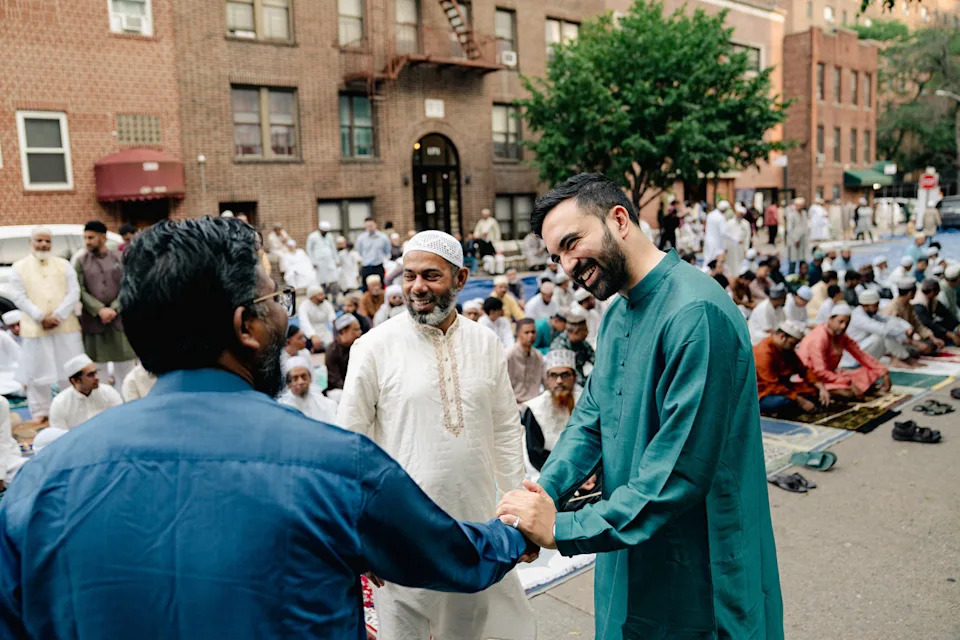
Mamdani greets a supporter ahead of an Eid service and prayer at the Parkchester Islamic Center on June 6. (Shuran Huang for The New York Times via Redux file)
At the Islamic Center at New York University, Sheikh Faiyaz Jaffer (a Shia scholar and the center’s executive director) said he witnessed “a shared sense of affirmation” among congregants. Khalid Latif, a Sunni imam and Jaffer’s predecessor, called Mamdani’s win a “restoration of hope” for New Yorkers across backgrounds.
Campaign Challenges And Response
Throughout the campaign, Mamdani faced Islamophobic attacks from political opponents. In one radio interview, former Gov. Andrew Cuomo appeared to suggest Mamdani would cheer on another 9/11. Republican candidate Curtis Sliwa accused him of supporting “global jihad,” and Mayor Eric Adams at times implied extremist leanings. Mamdani repeatedly denounced these claims as baseless and racist while keeping the campaign focused on affordability, equality and practical policy solutions.
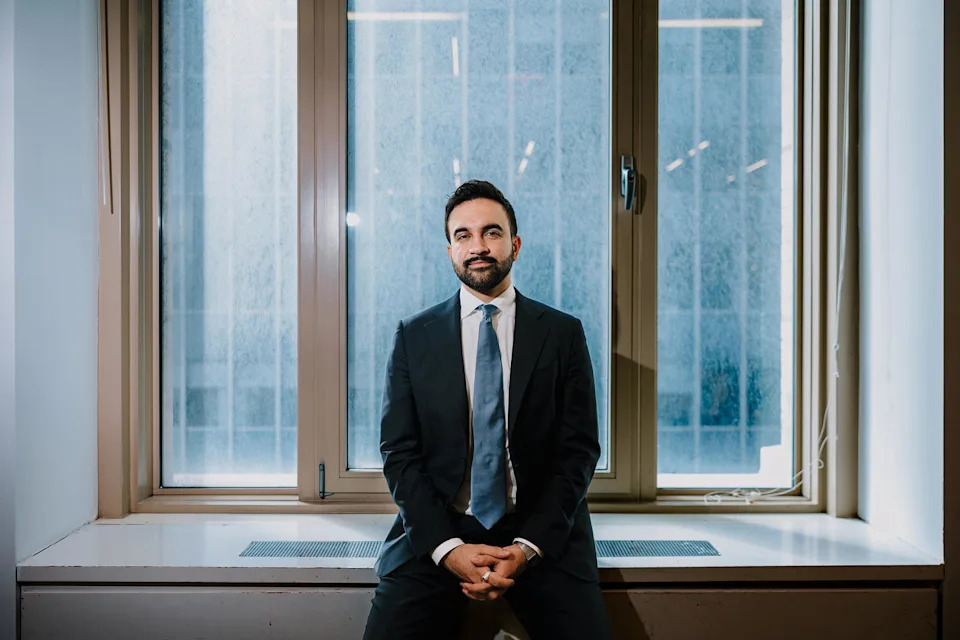
Mamdani said his "dream" is to create a New York where everyone can be the "fullest version of themselves." (Roshni Khatri for NBC News)
“I will no longer look for myself in the shadows. I will find myself in the light,” Mamdani said in a six-minute video addressed to Muslim New Yorkers shortly before election day.
That message resonated with many who had felt pressure to stay invisible. Raza said Mamdani’s unapologetic example helped her imagine being more visible and authentic in public life.
Looking Ahead
Mamdani said his public service began with civic engagement: he joined the Muslim Democratic Club of New York in 2015 to boost participation in local politics. He has said he aims to lead a city where “every New Yorker can live the fullest version of themselves and not feel as if they have to hide any part of themselves in order to be here.”
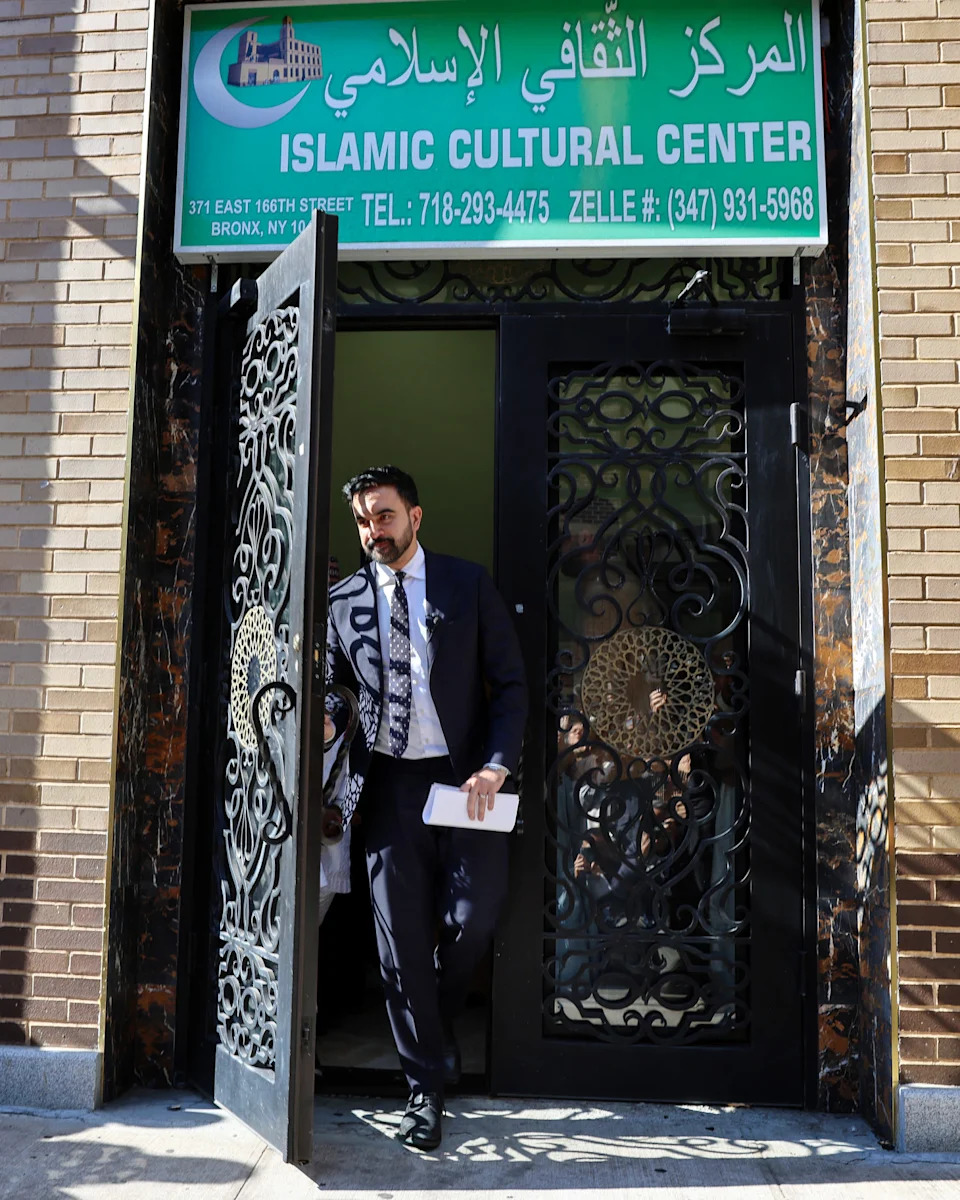
Mamdani prepares to speak outside a Bronx Mosque and cultural center on Oct. 24. (Spencer Platt / Getty Images file)
Community leaders say his election creates an opening to address sectarian tensions while celebrating shared values. “Unity doesn’t require erasing our differences,” Sheikh Jaffer said. “It does require choosing dignity and compassion over division.”
Note: This article was originally published on NBCNews.com and has been edited for clarity, flow and accuracy.


