Overview: China's pressure on Japan is portrayed as a recurring tactic likely to continue in the near term. Diplomatic effects: Persistent pressure can heighten tensions and complicate negotiations between the two countries. Business impact: Firms may accelerate supply-chain diversification and strengthen risk planning. Outlook: Policymakers and companies should prepare for an extended period of elevated geopolitical risk in the region.
Why China's Pressure on Japan May Be Here to Stay — Implications for Business and Diplomacy
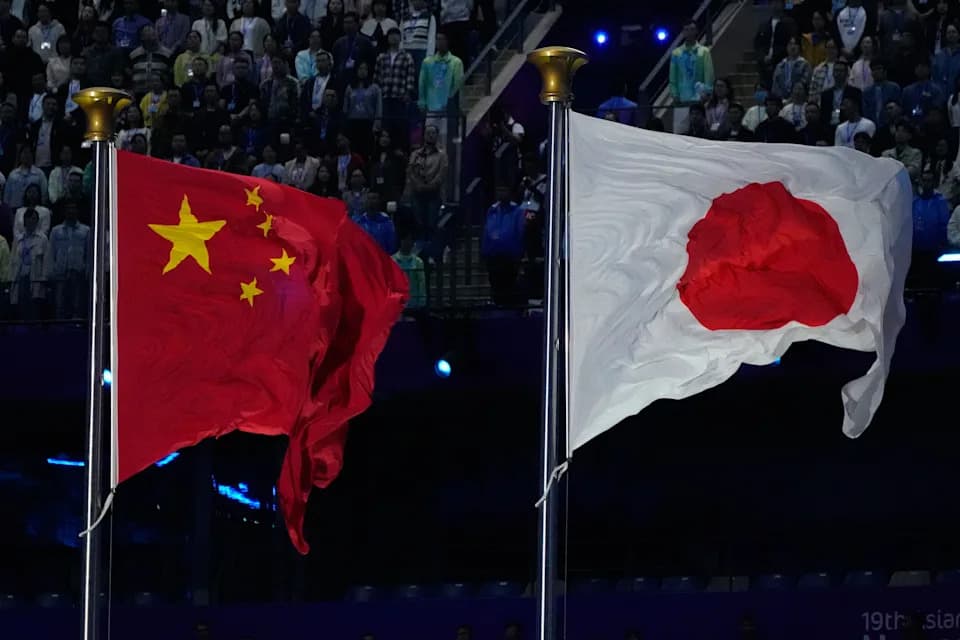
China's recent pressure on Japan is not an isolated incident but part of a recurring diplomatic and economic pattern that observers say could persist for the foreseeable future. While the tactics vary, the underlying objective appears consistent: to influence political outcomes and economic behavior in ways that support China's strategic interests.
What this means
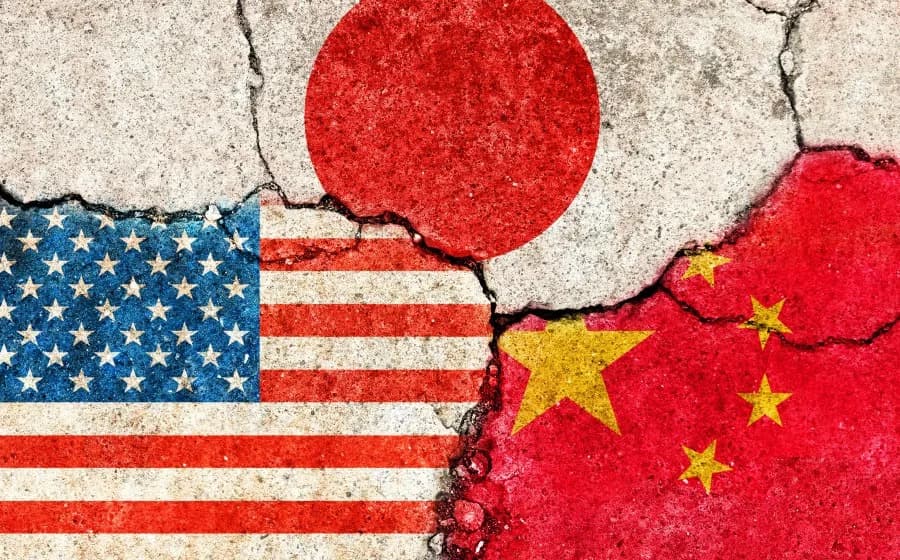
Diplomatic fallout: Continued pressure can strain bilateral relations, complicate negotiations, and increase tensions in regional forums. Governments may take a more cautious posture when dealing with contentious issues to avoid escalation.
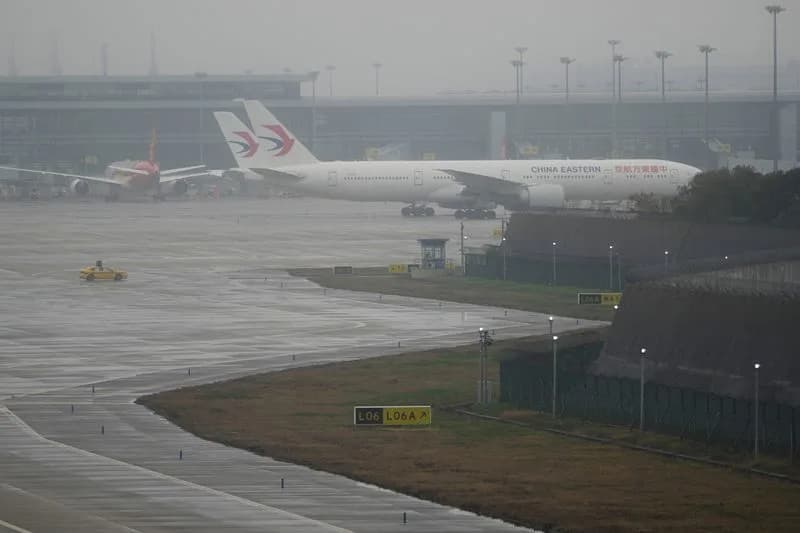
Economic and business impact: Companies operating across the region could face higher risks from sudden policy shifts, trade measures, or informal economic levers. That may accelerate efforts to diversify supply chains, relocate production, or seek clearer risk-mitigation strategies.
How businesses and policymakers might respond
- Strengthening contingency planning and scenario analysis to prepare for rapid shifts in trade or regulatory environments.
- Exploring supplier and market diversification to reduce dependency on any single country or route.
- Engaging more actively with policymakers to communicate risks and shape resilient economic policies.
Analysts caution that persistent pressure could shape regional diplomacy and business decisions for years, affecting investment flows, supply chains, and strategic planning.
Overall, the pattern suggests a prolonged period of careful navigation for both governments and companies operating in East Asia. Awareness, flexibility, and proactive risk management will be critical for stakeholders aiming to adapt to a potentially enduring phase of geopolitical pressure.
Help us improve.