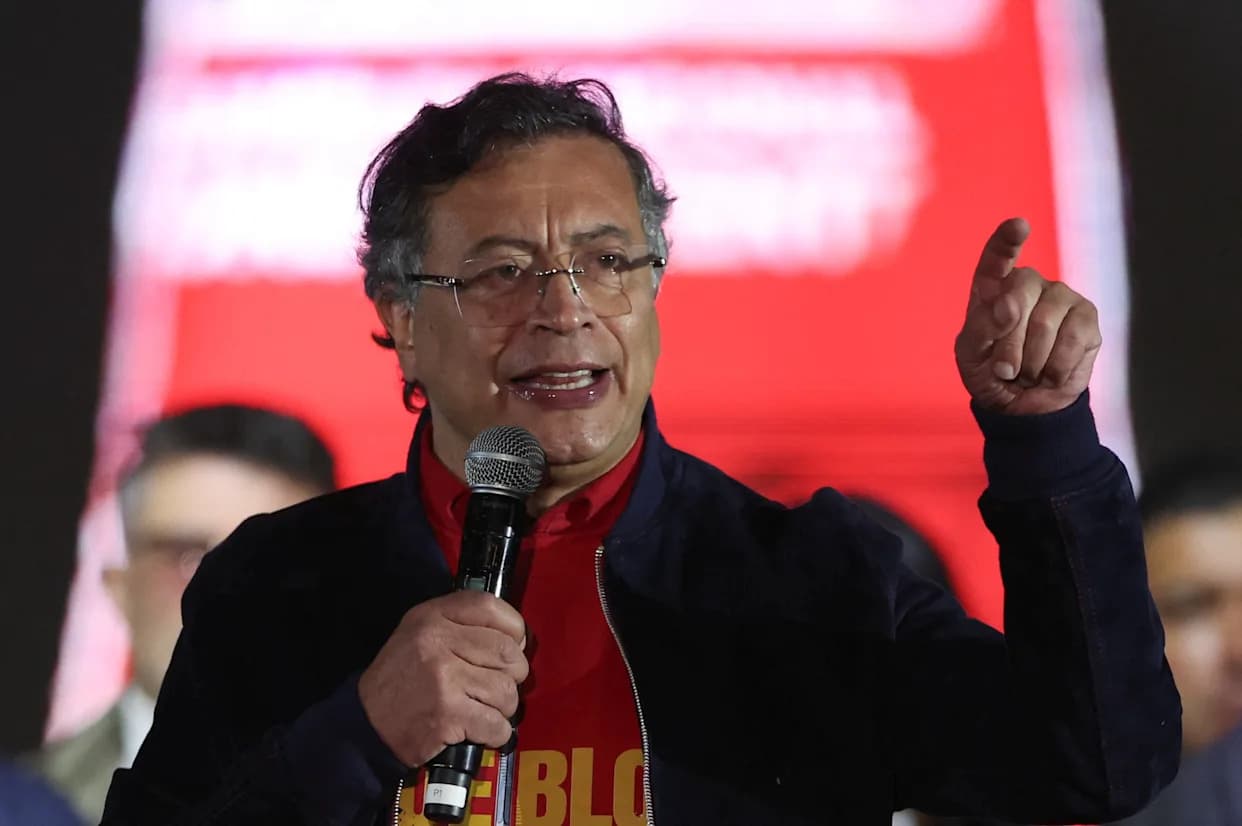
The newly arrived U.S. ambassador to Chile, Brandon Judd, sparked a diplomatic dispute by publicly criticizing President Gabriel Boric and suggesting it is easier to work with ideologically aligned governments — comments widely read as favorable to José Antonio Kast. Chile’s government lodged a formal protest, and politicians from across the spectrum have weighed in. The row has reached Congress, where opposition lawmakers pressed Boric to accept the ambassador’s credentials to reassure investors ahead of the Dec. 14 runoff.
U.S. Ambassador’s First Remarks Ignite Diplomatic Row in Chile Ahead of Dec. 14 Runoff

The arrival of U.S. Ambassador Brandon Judd in Santiago quickly became a diplomatic flashpoint after his first public remarks criticized President Gabriel Boric and were widely interpreted as favoring right-wing candidate José Antonio Kast. The Boric administration delivered a formal protest to the U.S. Embassy, and the comments have rippled through Chile’s polarized presidential campaign.
What was said
At his initial press briefing, Judd said he was "disappointed" by President Boric’s public remarks about former U.S. president Donald Trump's environmental policies, asserting that those comments "harm the Chilean people" and "damage the bilateral relationship." He added that "with governments that are ideologically aligned, it will be easier to work," a phrase many observers read as an endorsement of Kast.
"With governments that are ideologically aligned, it will be easier to work." — Ambassador Brandon Judd
Chilean response
Foreign Minister Alberto van Klaveren called the ambassador’s statements "inappropriate and unfortunate," saying remarks about Chile’s political process "amount to interference in our country's internal affairs." The protest was formally presented to the U.S. Embassy's chargé d'affaires.
Candidates across the spectrum responded. Left-wing contender Jeannette Jara rejected the tone of the intervention, saying, "Chile doesn't need any granddaddy looking after it," and stressed that any future government would expect Chilean sovereignty to be respected. José Antonio Kast, the right-wing contender, criticized the Boric administration for creating diplomatic tensions abroad and urged officials to focus on resolving domestic problems.
Political and economic stakes
The dispute quickly moved into Congress, where opposition lawmakers urged President Boric to receive the ambassador's credentials promptly. They argued the credentialing ceremony signals stability and reassurance to investors and international partners.
At the heart of the disagreement are complaints about Chile’s regulatory procedures. Ambassador Judd has said Chilean bureaucracy is delaying U.S. investment projects that are ready to proceed, linking regulatory uncertainty and political signals to the business climate and calling for clearer timelines.
These issues — protocol, investor confidence and diplomatic signaling — have become campaign ammunition as parties position themselves ahead of the Dec. 14 runoff, where recent polls show Kast with a significant lead.
What to watch
Key developments to follow include whether President Boric accepts the ambassador’s credentials before the end of the month, any further official exchanges between Santiago and Washington, and how the controversy affects investor sentiment and voter perceptions in the final weeks before the runoff.
Help us improve.