Summary: A federal judge dismissed the criminal charges against James B. Comey and Letitia James after finding the prosecutor who obtained the indictments, Lindsey Halligan, had been unlawfully appointed. Judge Cameron McGowan Currie concluded actions taken by Halligan must be set aside, echoing earlier criticism from Judge William Fitzpatrick about the grand-jury handling. The courts identified reliance on potentially privileged material, incorrect legal instructions to jurors, and procedural failures, and Halligan may face disciplinary scrutiny under ABA rules. The rulings raise broader concerns about the supervision and competence of prosecutors in politically sensitive cases.
Judges Void Comey Indictment, Citing Unlawful Appointment and Serious Prosecutorial Failures
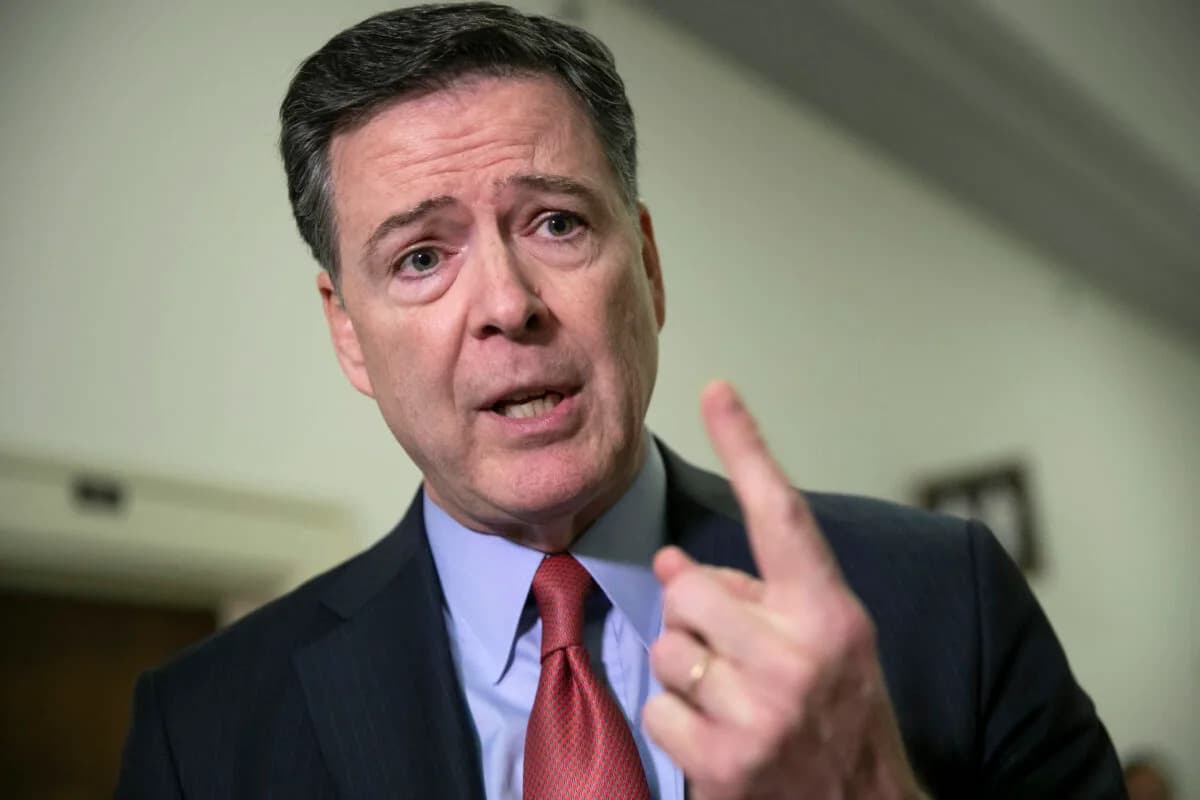
A federal judge on Monday dismissed the criminal charges against former FBI Director James B. Comey and New York Attorney General Letitia James after finding that the prosecutor who secured both indictments, Lindsey Halligan, had been unlawfully appointed. U.S. District Judge Cameron McGowan Currie concluded that "all actions flowing from Ms. Halligan’s defective appointment, including securing and signing Mr. Comey’s indictment, constitute unlawful exercises of executive power and must be set aside." Judge Currie added, "There is simply no alternative course to cure the unconstitutional problem."
This decision follows an earlier, critical opinion by Federal Judge William Fitzpatrick, who sharply rebuked the government’s handling of the Comey grand-jury presentation and ordered disclosure of the grand-jury transcript and the materials used to secure the indictment. Together, the two rulings highlight substantial procedural and legal failures in the prosecution.
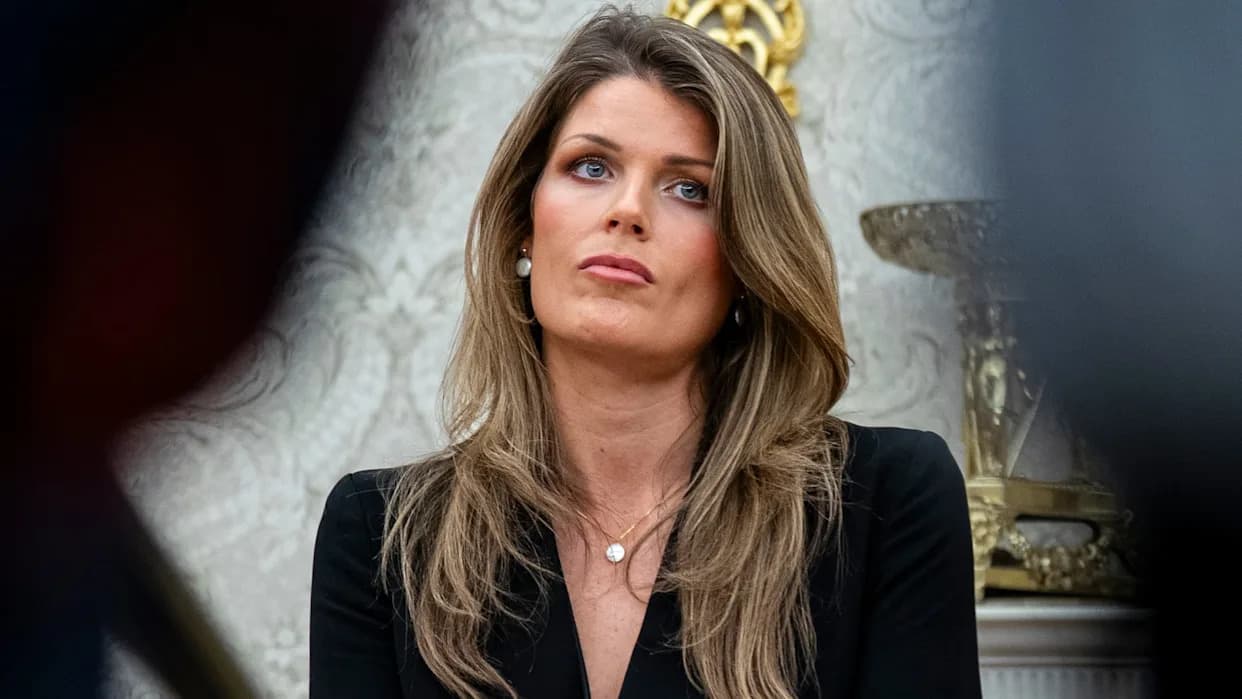
Lindsey Halligan — an insurance lawyer elevated to the role despite having no prior prosecutorial experience — conducted the grand-jury presentation alone. According to the courts, she called a single FBI agent whose testimony relied on second- or third-hand information obtained from other agents. That testimony may have been tainted by privileged communications between Comey and his counsel that were unearthed during an earlier investigation and then resurfaced when the matter was reinvestigated.
Those communications came to light after search warrants were executed on a lawyer’s electronic devices. Investigators failed to identify and segregate potentially privileged materials from other evidence, a lapse the judge characterized as a Fourth Amendment problem. As Judge Fitzpatrick observed, "The government’s decision to allow an agent who was exposed to potentially privileged information to testify before a grand jury is highly irregular and a radical departure from past Justice Department practice."
Courts also faulted Halligan for courtroom and grand-jury errors. She appeared unfamiliar with basic requirements to particularize and isolate privileged material from non‑privileged evidence, and she relied on older materials from a prior investigation without adequately explaining their relevance. The judges found she lacked the competence needed to give the grand jury careful, legally accurate instructions about how to evaluate the evidence and apply governing legal standards.
Among the most troubling acts was Halligan's misstatement of the law when, after identifying herself as the jurors' legal adviser, she said that if Comey were innocent he could testify at trial and explain his actions. That comment risked shifting the burden to the defendant and ran counter to the principle recognized in Griffin v. California (1965). As Judge Fitzpatrick noted, "the grand jurors may have reasonably understood the prosecutor to mean that if she could not satisfactorily answer their questions, then Mr. Comey would answer those questions at trial."
Halligan compounded the error by telling jurors they did not have to rely solely on the evidence before them because the government might have "more evidence — perhaps better evidence" to present at trial. Indicting a defendant on the promise of unspecified evidence that jurors have not seen is a serious procedural defect and suggests she was out of her depth.
In another startling lapse, Halligan did not present the final indictment to the grand jury, and the grand jury never voted on or approved the second indictment she later drafted. After the grand jury rejected an initial draft, Halligan prepared a replacement; the Justice Department has since acknowledged that the second indictment was never presented to the grand jury. As Judge Fitzpatrick predicted, the court found itself in "uncharted legal territory."
The usual presumption that grand-jury proceedings are regular and reliable has been undermined by these combined failures of appointment, procedure, and presentation. While Halligan was placed in a challenging position by her appointment, the record reflects serious competence and procedure issues that may expose her to disciplinary proceedings under the ABA Model Rules on competence (Rule 1.1) and misconduct (Rule 8.4).
Whether disciplinary consequences follow, the rulings reinforce the judiciary’s insistence on scrupulous adherence to grand-jury procedures and the constitutional limits on prosecutorial power. The courts’ decisions also raise broader questions about how politically charged investigations are staffed and supervised.
Author: Bennett L. Gershman, Distinguished Professor of Law at Pace University and author of Prosecutorial Misconduct.
Help us improve.