Amateur archaeologists using ground-penetrating radar found a 500-year-old compass in an underground chamber near Frombork Cathedral, close to where Nicolaus Copernicus’s remains were located. The instrument resembles compasses shown in images of Copernicus but there is no direct evidence it belonged to him. The compass — the second similar find on the cathedral grounds — has been sent for conservation and scientific analysis and is expected to be exhibited at the Nicolaus Copernicus Museum.
500-Year-Old Compass Unearthed Near Copernicus’s Burial Site — Possible Link to the Astronomer

Archaeologists using ground-penetrating radar have uncovered a 500-year-old compass in an underground chamber close to the Archcathedral Basilica in Frombork, northern Poland — near the site where Nicolaus Copernicus’s remains were identified. The small instrument resembles the kind of portable compass often shown in portraits of Copernicus and could offer new clues about the practical tools available to early 16th-century scholars.
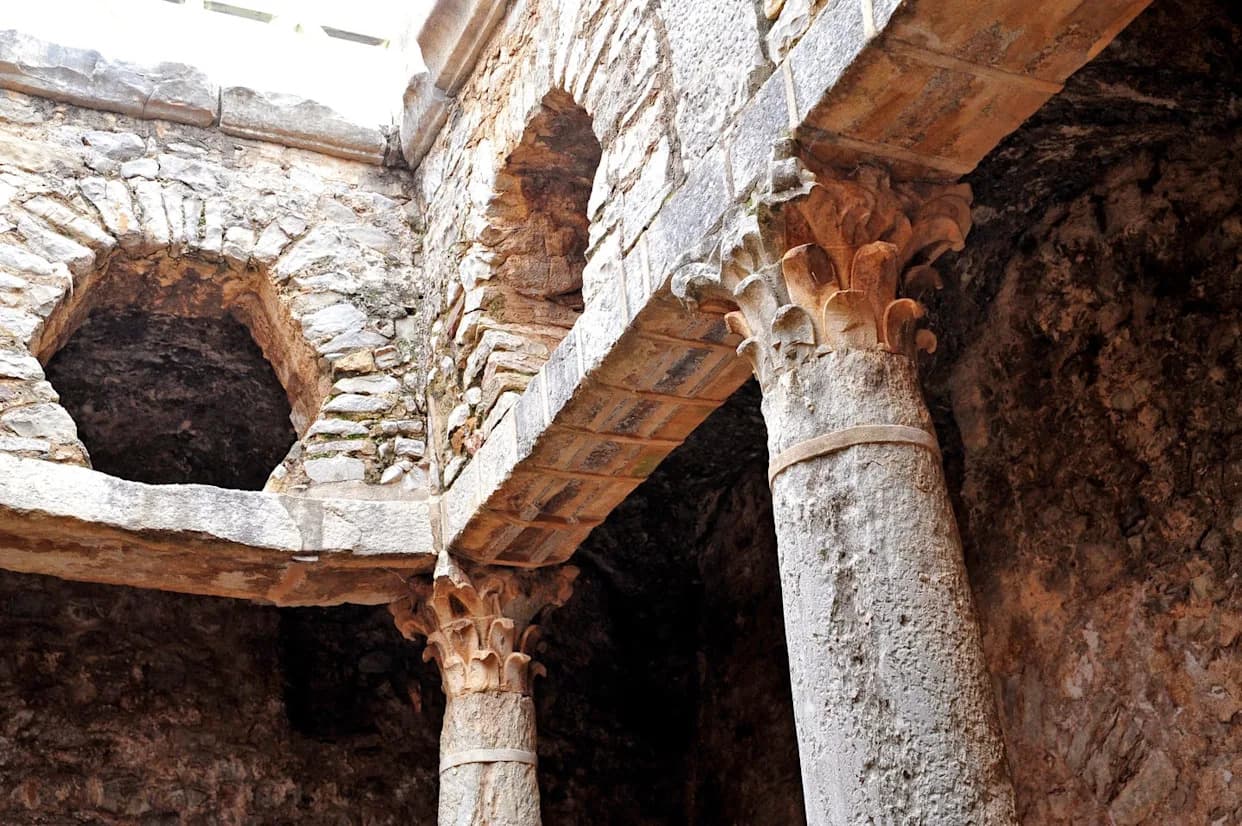
The discovery was made by an amateur archaeological team, Warminska Grupa Eksploracyjna, while surveying the cathedral gardens. The radar survey revealed an underground chamber with three tunnels; the compass was recovered from that chamber. This is the second similar instrument found on the cathedral grounds.
Misja Skarb, a member of the excavation team, commented: 'This astounding find takes us back to the era when Copernicus made his revolutionary discoveries and opens up new possibilities for understanding his methods of work.' While the object is evocative, excavators emphasize that there is no direct proof the compass belonged to Copernicus.
Context and significance
Nicolaus Copernicus (1473–1543) developed the heliocentric model that placed the Sun at the center of the planetary system, a major shift from the geocentric view dominant in his time. After studies at the University of Krakow and later at institutions in Italy, Copernicus returned to Frombork around 1510 and spent much of his later life there. For many years it was assumed he was buried in the cathedral; researchers located skeletal remains, including a partial skull believed to be his, in 2005.
Although provenance has not been established for this particular compass, its proximity to Copernicus’s burial site and its resemblance to instruments depicted with him make it an intriguing artifact. Small portable compasses and simple measuring devices were common aids for astronomers and surveyors in the early modern period and can shed light on observational practices and daily life of scholars.
Next steps
The compass has been transferred to the Conservator of Monuments of Poland for preservation and scientific analysis. Conservators and specialists will examine the object's materials, construction, and any wear patterns to help date it more precisely and assess its likely uses. Once conservation and study are complete, the instrument is expected to go on display at the Nicolaus Copernicus Museum in Frombork.
Beyond the artifact itself, the find highlights how modern non-invasive techniques, such as ground-penetrating radar, combined with careful excavation by professional and amateur teams, continue to bring new material evidence to the study of scientific history.
Help us improve.