The United States could meet about 95% of its rare-earth demand from domestic sources by 2030 thanks to a global pipeline of projects, but China would still supply roughly 60% of key magnet-making rare earths. Experts caution the IEA-based projections assume timely construction and scaling of mines and processors, and they do not fully account for heavy rare earths, where China is likely to remain dominant. Supply-chain bottlenecks, equipment availability and skilled-labour shortages could delay progress.
U.S. Narrows Rare-Earth Gap by 2030 — China Still Holds Global Lead

A large, multi-billion-dollar pipeline of rare-earth projects worldwide could substantially reduce U.S. dependence on Chinese supplies, but it is unlikely to dislodge China’s overall dominance of the market by 2030.
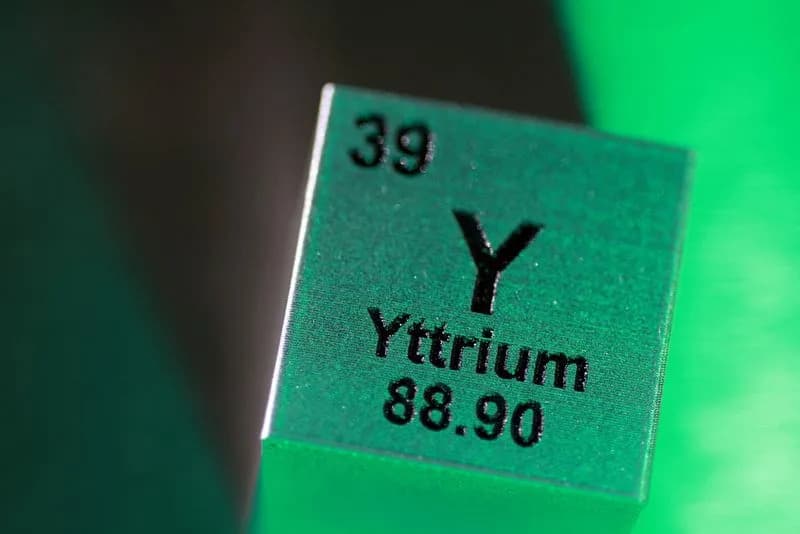
Analysis of International Energy Agency (IEA) data shows China would still supply roughly 60% of the world's key magnet-making rare earths by 2030, even as the United States moves toward meeting about 95% of its own demand from domestic sources. Those figures assume the current slate of mines, processors and refiners are built and scaled on time.
Experts warn several risks could slow or prevent those projects from coming online as planned: the long lead times required to develop new mines and refineries, high costs and limited availability of non-Chinese processing equipment, and a shortage of skilled workers. These bottlenecks mean planned capacity additions may be delayed or come in below projections.
Importantly, the IEA’s projections focus on just a subset of rare-earth elements — mainly those used to make powerful magnets — and do not fully reflect the outlook for heavy rare earths. China is expected to retain near-total control of heavy rare-earth processing, a small but strategically critical segment. As a result, the West as a whole could still depend on China for roughly 91% of its heavy rare-earth needs by 2030.
“By 2030, we will still be in trouble,” said Neha Mukherjee, research manager at Benchmark Minerals. “It's just that, if all these projects in the pipeline are able to come online, we will be in less trouble than we are right now.”
The outlook has important implications for the green-energy transition, advanced manufacturing and national security. Policymakers and industry leaders face trade-offs between accelerating domestic supply chains, securing reliable overseas partners, and investing in recycling and substitutes to reduce long-term vulnerabilities.
By Alessandro Parodi and Lewis Jackson
Help us improve.