Belhaven University's School of Science and Mathematics secured $572,600 in faculty research funding, the first such awards in the school's history. Major support includes a $389,600 Mississippi AI award and grants to faculty members Ariel Kelley ($75,000) and John Neiswinger ($20,000). Kelley will study strategies to reduce the carcinogenic risk of nitrosamines; Neiswinger will investigate kinase mutations and give students hands-on molecular biology experience. The funding also helps purchase new instruments and aims to strengthen Belhaven's STEM profile.
Belhaven STEM Lands $572,600 in Historic Grants to Boost Faculty Research and Student Labs

Belhaven University's School of Science and Mathematics has secured a total of $572,600 in faculty research funding — the first time the university has reported grants explicitly designated for faculty-led research. The awards will support projects across biology, chemistry and artificial intelligence, and will fund new scientific instrumentation for student use.
Major awards and purpose
The university reported $572,600 in combined support, including a $389,600 Mississippi AI and Technology Advancement Program award and a $75,000 startup grant from the Idea Network for Biomedical Research. More recent awards include a $75,000 Mississippi Research Alliance grant to Ariel Kelley and a $20,000 award to John Neiswinger; additional smaller awards and equipment funding bring the total to the reported amount.
Ariel Kelley — reducing nitrosamine risk
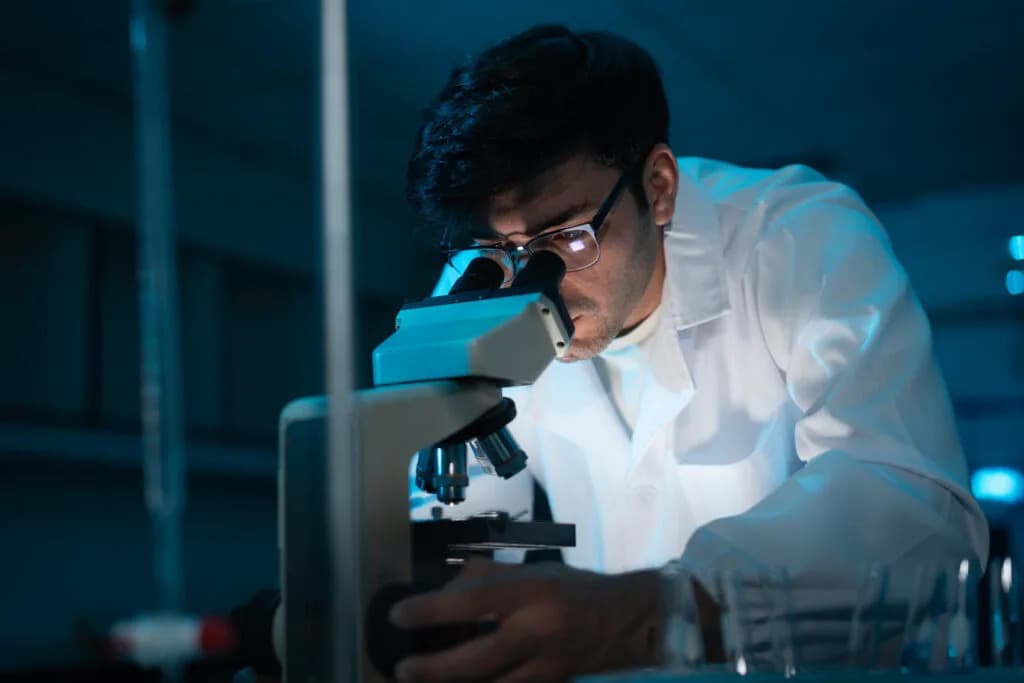
Ariel Kelley, an associate professor of chemistry, received $75,000 from the Mississippi Research Alliance to support a project titled "Supramolecular Engineering of Nitrosamine Cocrystals for Risk Reduction." Nitrosamines are chemical compounds that contain nitrogen and are known to be potentially carcinogenic; they can sometimes appear in drinking water and other environmental sources.
"I'm really doing foundational research to see if I can help reduce the risk of these nitrosamines in the body or in our drinking water to help them be non-carcinogenic," Kelley said.
The award will fund an 18-month effort beginning in the spring, covering laboratory supplies, travel to scientific conferences, a portion of Kelley's summer salary and a stipend for a student conducting summer research. Kelley described the award as a "seed grant" intended to help build research capacity at Belhaven.
John Neiswinger — studying kinase mutations
Biology professor John Neiswinger received $20,000 from the Mississippi Idea Network of Biomedical Research Excellence to support a project titled "Clinically Based and Novel Mutagenesis on the Human Kinome." His research focuses on kinases — enzymes that regulate many cellular processes — and on how mutated forms of kinases may contribute to disease.
"The reason why that mutation could have caused that disease is still a question," Neiswinger said. "My research will at least partially answer that, or at least start pointing us in the right direction."
The award will enable students to gain hands-on experience in molecular biology and genetic analysis by creating and studying kinase variants as part of the project.
Impact on students and the program
Faculty members say the new funding will raise the profile of Belhaven's STEM offerings and demonstrate the university's growing research capabilities. The grants will provide students with direct research opportunities, new lab equipment and the chance to present findings at conferences — all elements that the faculty hope will attract prospective students and enable additional competitive funding in the future.
Note on totals: The university reported an aggregate of $572,600 in faculty research funding. Known award amounts include the Mississippi AI and Technology Advancement Program award ($389,600), an Idea Network startup grant ($75,000), Kelley’s Mississippi Research Alliance award ($75,000) and Neiswinger’s Idea Network award ($20,000). The remainder of the reported total reflects additional smaller awards and instrument funding.
Help us improve.