Researchers have identified coyote-like canids in coastal Cameron Parish, Louisiana, that carry substantial red wolf ancestry. Field teams are trapping, tagging and genetically testing the animals to map ancestry and understand adaptations associated with wetland living. The hybrids show features — larger bodies for swimming, longer legs for seeing over tall grasses and larger ears for prey detection — that suit the marsh environment. Scientists aim to clarify their ecological role and provide guidance for coexistence.
Marshland Mashup: Red Wolf–Coyote Hybrids Thriving in Coastal Louisiana

A distinctive canid is carving out a niche where southwest Louisiana’s prairie meets brackish coastal marshes. These animals resemble coyotes but carry substantial red wolf ancestry, a genetic legacy from a species that largely disappeared from the region decades ago. Researchers are studying how this genetic mix has produced physical and behavioral adaptations that help the animals thrive in this wetland landscape.
What are these canids?
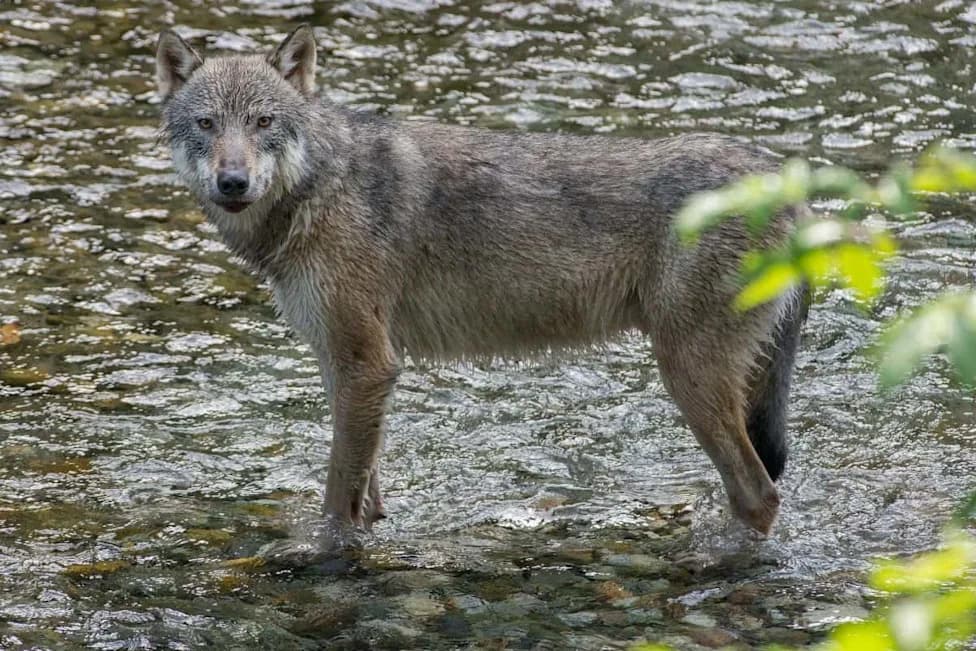
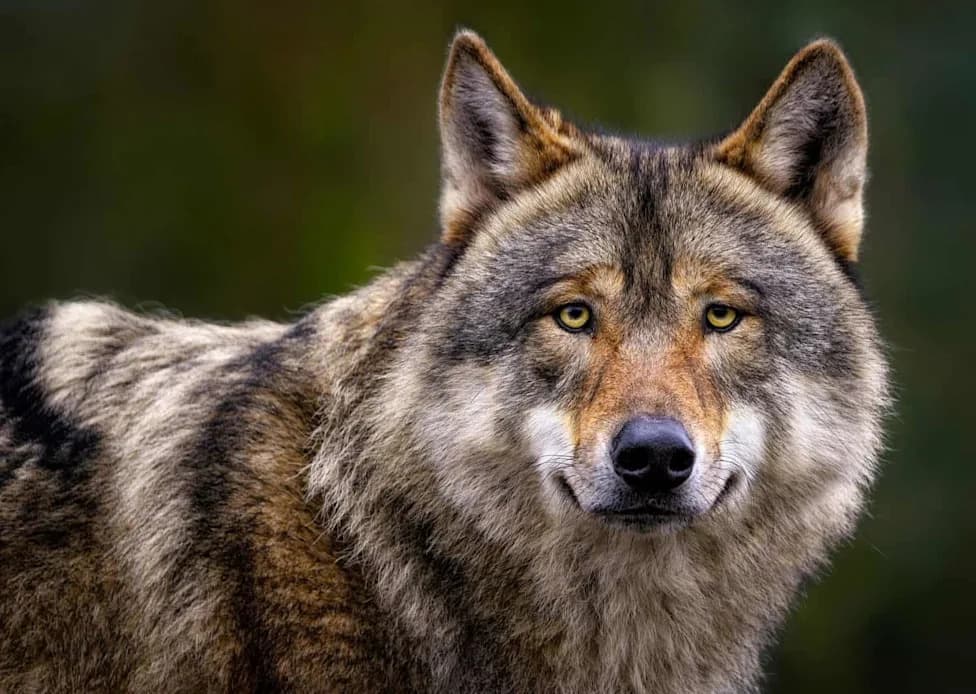
Canids are members of the family Canidae, which includes dogs, wolves, coyotes, foxes, dingoes and jackals. The animals found in Cameron Parish look like coyotes but show notable differences — longer legs, larger ears and a larger body — that appear to suit life among tall marsh grasses and a network of canals.
“They’re definitely not a red wolf, but they’re not typical coyotes either,” said Tanner Broussard, a graduate student at McNeese State University and field supervisor for the Texas–Louisiana Canid Project.
Broussard and a small team trap animals across the prairies and marshes to tag them, collect blood samples, and take measurements. Their goal is to map red wolf ancestry across individuals and to understand which traits are influenced by that ancestry.
“That’s kind of where our project is: trying to figure out why they’ve been able to retain those genetics and then also assess what exactly these animals are,” Broussard added.
How did the hybrids arise?
Historically, hunting and habitat loss drove red wolves from much of the southeastern United States. As red wolf numbers declined, ecological vacancies opened and coyotes expanded into new areas. Where ranges overlapped, the two species interbred. Decades later, many offspring still retain appreciable red wolf DNA.
Joey Hinton, a senior research scientist at the Wolf Conservation Center, noted earlier studies showing strong red wolf ancestry in Gulf Coast canids. “They’re really built for surviving in that coastal marshland complex,” he said. “They seem to have carved out a unique niche there along the coast.”
Adaptations and ecological role
Researchers describe several likely adaptations linked to the mixed ancestry: a larger body that aids swimming across canals, longer legs that help the animals see over tall grasses, and proportionally larger ears that improve prey detection. Their diet includes nutria, feral hogs and rabbits, suggesting these hybrids may help control invasive and nuisance species.
Scientists compare this trend to British Columbia’s “sea wolves,” gray wolves that evolved coastal specializations to exploit marine resources. In Louisiana, red wolf genes appear to have contributed to wetland-adapted traits in coyotes.
Landscape and human impact
Geography and human infrastructure likely help the hybrids persist. Coastal Cameron Parish contains several wildlife refuges — including Cameron Prairie, Lacassine and Sabine — where limited public access reduces human disturbance. Interstate 10 to the north may act as a barrier that helps isolate these populations from greater human pressures such as vehicle collisions and hunting.
“Areas that have the higher red wolf ancestry in their animals are typically areas that there’s a lot less people around, so they’re not getting shot as much or hit by cars,” Broussard said.
Why this matters
Beyond documenting an intriguing example of local adaptation, researchers want to clarify the hybrids' ecological role and to develop guidance for people who live and work in these landscapes. Understanding their diet and movement can inform nutria control, habitat management and public education about coexistence.
The research is ongoing, and scientists emphasize the value of continued monitoring to learn how gene flow, landscape change and human activity will shape these animals in the decades ahead.
Help us improve.