The U.S. on November 16 designated President Nicolás Maduro and associates as members of a foreign terrorist organization by naming the so-called "Cartel de los Soles", enabling new sanctions on assets and infrastructure. Officials say the move widens military options, though legal experts note it does not explicitly authorize lethal force. The announcement accompanies a U.S. buildup of more than a dozen warships and roughly 15,000 troops, growing regional air activity, and airlines canceling flights after FAA warnings. Public opinion in the U.S. is largely opposed to military intervention, while Venezuelan officials deny the allegations and call the designation fabricated.
U.S. Designates Maduro and 'Cartel de los Soles' as a Foreign Terrorist Organization, Expanding Sanctions and Military Options

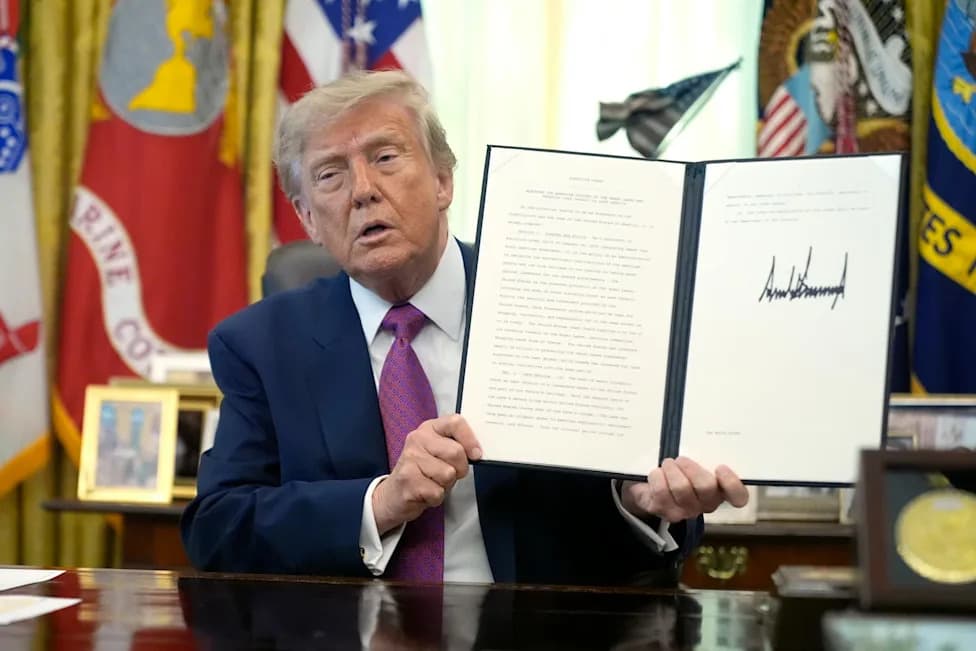
On November 16 the U.S. government formally designated Venezuelan President Nicolás Maduro and close associates as members of a foreign terrorist organization by naming the so-called "Cartel de los Soles". The move clears the way for new sanctions targeting Maduro's personal assets and Venezuelan infrastructure and, according to U.S. officials, broadens the administration's range of military options—though legal experts say the designation does not explicitly authorize the use of lethal force.
What the designation means
"Cartel de los Soles" is a descriptive term used by analysts to refer to decentralized factions within Venezuela's armed forces allegedly tied to drug trafficking. Experts caution that the phrase describes alleged corrupt networks rather than a single, conventional criminal syndicate. The State Department's foreign terrorist organization label authorizes stepped-up financial and diplomatic sanctions and can support broader operational approaches, but it does not automatically permit targeted killings or open-ended military action.
U.S. military posture and operations
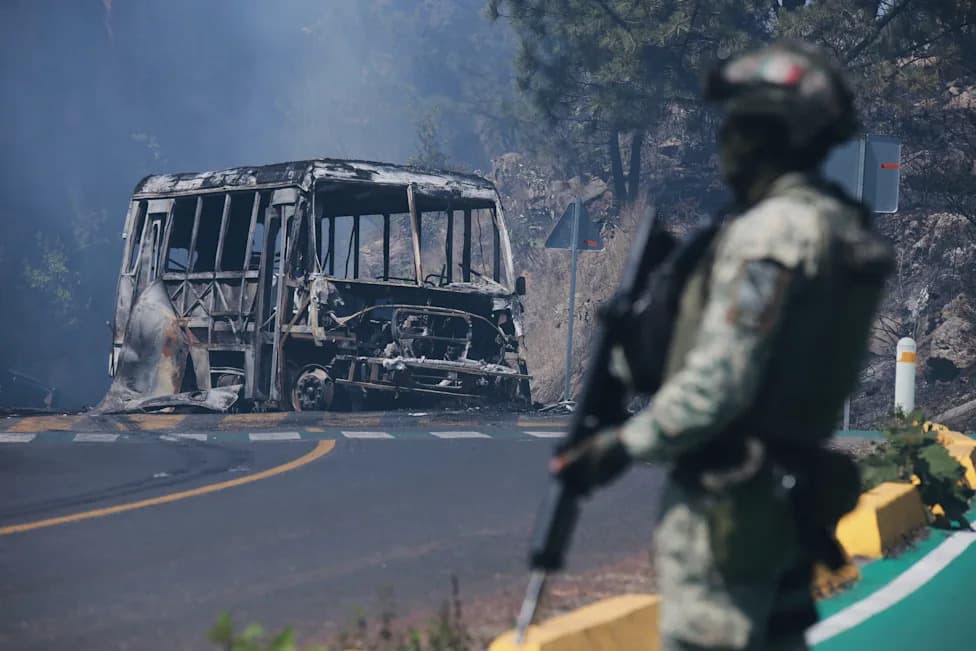
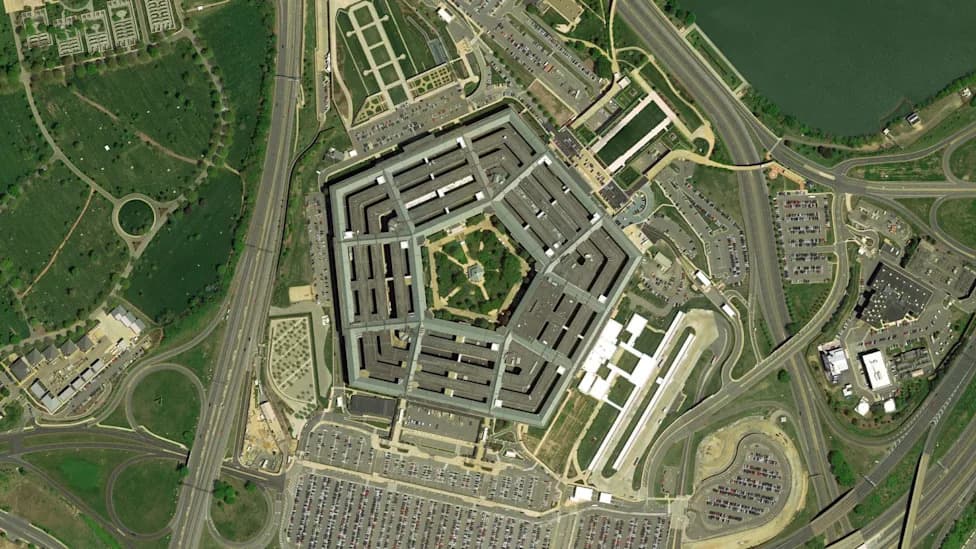
The announcement coincides with a significant U.S. military presence in the region. The Pentagon has deployed more than a dozen warships and roughly 15,000 troops as part of what officials call "Operation Southern Spear." U.S. forces conducting anti-drug operations in the area have reported strikes from boats and aircraft that U.S. accounts say killed dozens of people.
Options under consideration
Administration officials have briefed the president on a spectrum of possible actions inside Venezuela, ranging from strikes against select military or government facilities to special operations raids. Officials emphasize that inaction remains an option and that economic and diplomatic pressure is the preferred route to compel political change without direct military intervention.
Domestic and international reactions
Public opinion in the United States appears largely opposed to military intervention: a recent CBS News/YouGov poll found 70% of Americans oppose U.S. military action in Venezuela, while 30% support it; 76% said the administration had not clearly explained its rationale for possible military measures. Venezuela's government rejected the designation as a "ridiculous fabrication" and warned that the measure would fail like prior actions perceived as hostile.
Diplomacy and next steps
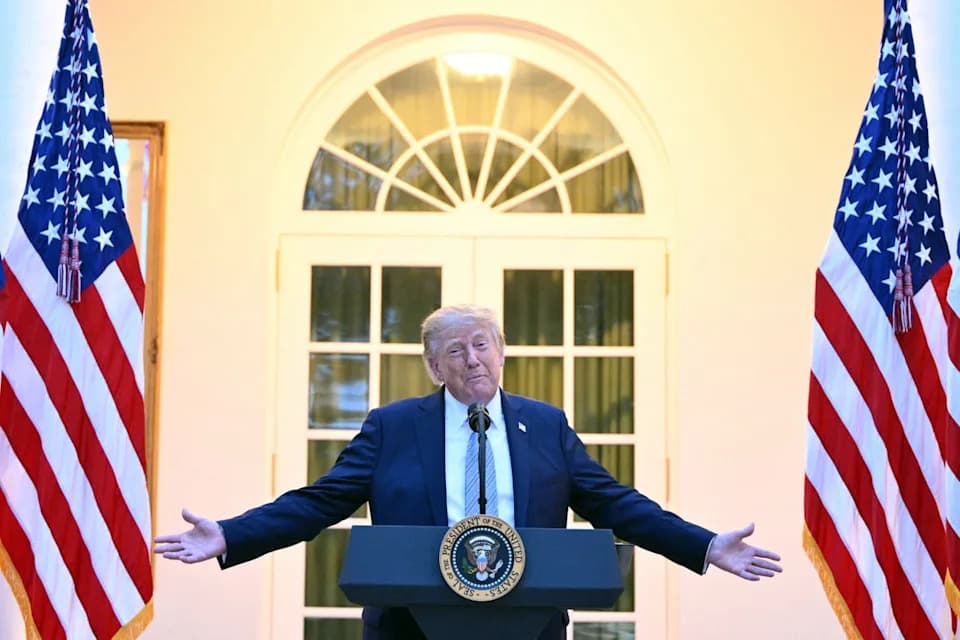
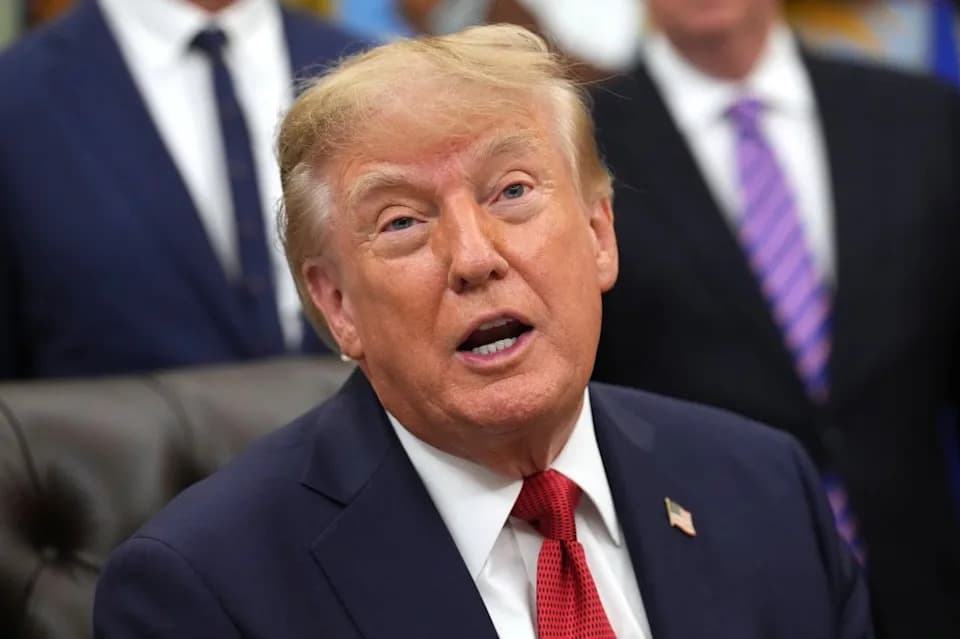
The White House has indicated a willingness to keep diplomatic channels open. President Trump has said Maduro "would like to talk," and administration sources report contacts have been made through multiple channels. One option under internal discussion reportedly includes a direct conversation between the two leaders, though no meeting has been scheduled.
Regional developments
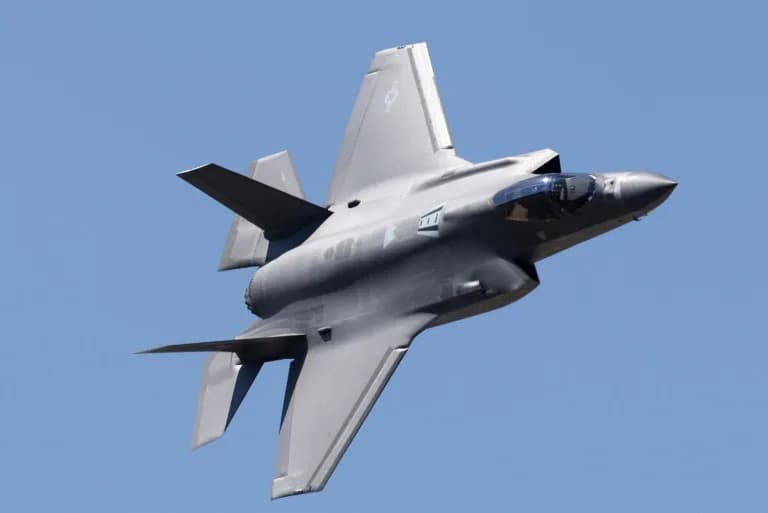
In recent days the United States staged a large military air presence near Venezuela, with multiple aircraft operating off the country's coast, and several international carriers canceled flights departing Venezuela after the Federal Aviation Administration issued a warning about potential hazards to aviation over Venezuelan airspace.
Note: The designation marks a clear escalation in U.S.-Venezuelan tensions and signals Washington's willingness to combine sanctions, military pressure and diplomatic engagement to influence developments in Caracas.
Help us improve.