This investigation exposes how criminal syndicates across Southeast Asia trafficked women into scam compounds, coercing them into online fraud and, in many cases, sexual exploitation. Survivors describe memorized scripts, AI face and voice filters, and brutal punishments; compounds often operate like self-contained towns with dormitories, mansions and secret tunnels. Families are left without breadwinners, struggling to care for children while pressing authorities for coordinated rescue and prosecution. International cooperation, stronger prevention and victim support are urgently needed.
“She Wants to Die There”: Women Trafficked into Asia’s Scam Compounds and the Families Left Behind

An hour north of the capital, where suburbs give way to rolling hills, a simple family-run convenience store doubles as a home. A three-year-old in a Batman T-shirt leads visitors past shelves of sweets and lottery tickets into a modest living area and says he misses his mother.
The boy’s mother, whom the family calls Lily, left in April after accepting what she believed was a customer service job in Taiwan. Instead, she was trafficked into Asia’s booming scam industry and later sent messages saying she “wants to die there.” Her sister Rose keeps the most painful details from the rest of the family to protect the children.
How recruiters and compounds operate
Criminal networks across Southeast Asia have increasingly targeted women to staff complex fraud operations that use romance, investment and extortion scams. Recruiters often promise legitimate overseas work and higher pay; instead, victims are moved to compounds where they are forced to memorize scripts, play manufactured identities using AI face and voice filters, and perform on camera to persuade targets in countries from the United States to Australia.
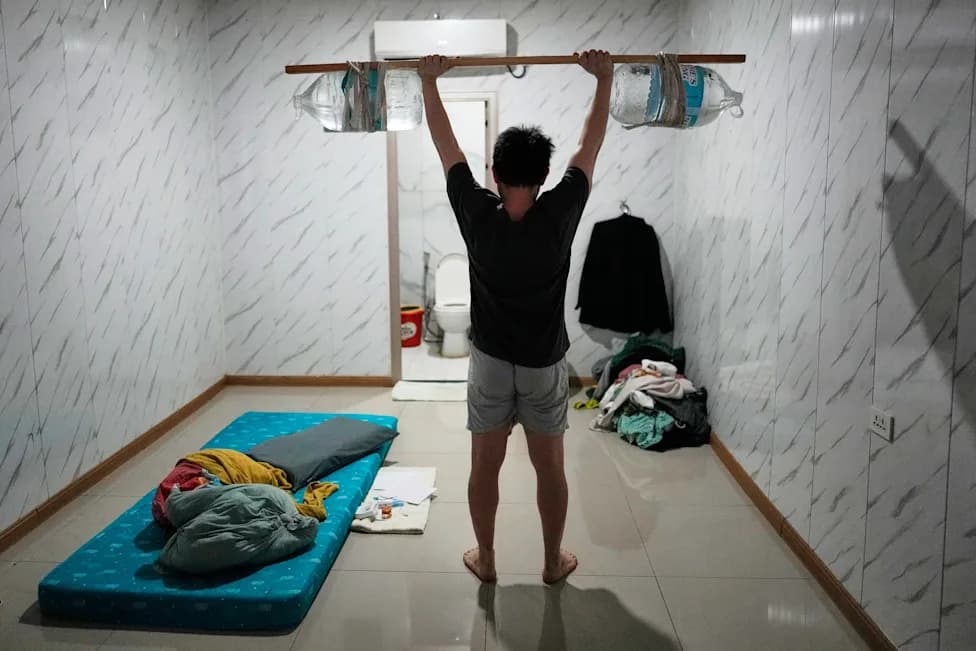
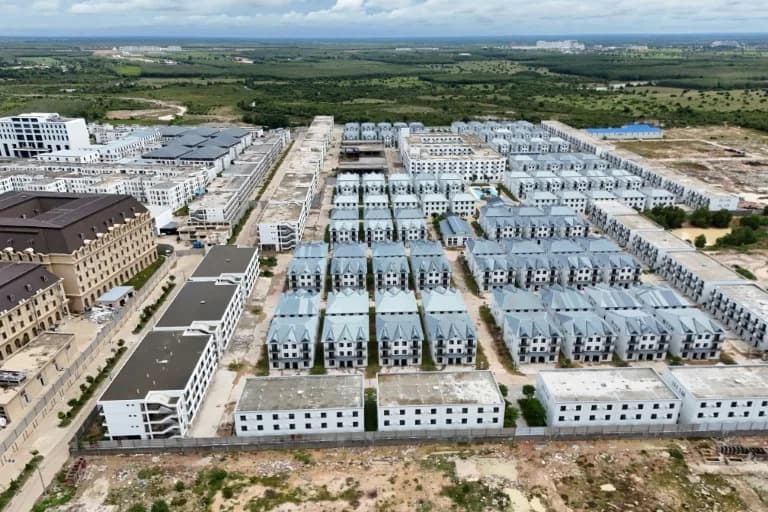
Survivors and investigators say many compounds resemble self-contained towns: office blocks filled with computer stations, dormitories, recreational spaces, even mansions and swimming pools for bosses. Some compounds run multiple illicit activities alongside scams, including drug and wildlife trafficking.
Voices from inside: coercion, violence, sexual exploitation
Women who have escaped describe brutal conditions. They report being punished with beatings, sexual violence and other forms of abuse if they fail to meet targets or resist orders. In some facilities, survivors say women were forced into sex work to serve men inside the compounds or filmed for clients.
“They promised a good life and a good salary. But when they go there, it’s really the opposite — it looks like hell,”
Casie, a single mother of four who had previously worked abroad, answered a Facebook ad in January for a customer-service role in Hong Kong. She was instead trafficked to Cambodia and forced into extortion calls. During one scripted call she was ordered to say: “Your SIM card is used for fraudulent messages, money laundering and buying an illegal gun. After two hours we report you.” After months of abuse and fear, she was rescued in April with help from her embassy.
Another survivor, Sara, originally from South Africa, said she was recruited for an IT role in 2022 but became a “model” in a compound on the Thai–Myanmar border. Using AI filters and scripted personalities — "Linda," "Jenny" and others — she said she had to perform sexualized video calls and sext to close investment scams. She described being sleep-deprived, tortured and compelled to memorize complex scripts under threat of further abuse.
The toll on families
When mothers and primary earners are trafficked, households are often plunged into financial and emotional crisis. Charlotte, whose daughter was taken to Myanmar in January, now cares for six grandchildren and says she has sold most of her belongings just to provide basic food, water and schooling. Local communities of families affected by trafficking become informal support networks, sharing updates and photos and helping each other survive.
Photographs shown by relatives include bruises and injuries they say are evidence of beatings. Families describe being told that captives were ordered to strip and be filmed for clients — accounts that, while difficult to independently corroborate in every case, echo the consistent testimonies of survivors and investigators.
Investigations, raids and the response
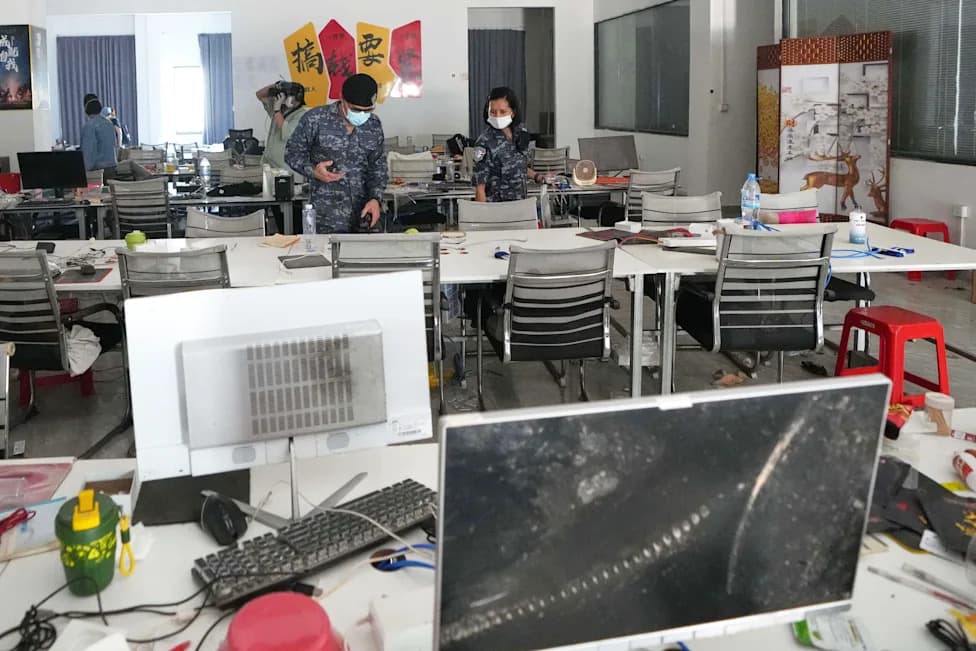
Most compounds are concentrated in Cambodia, Laos and Myanmar, although enforcement efforts have also uncovered sites in other countries. Investigators were granted access to a former compound in a provincial town several hours north of Manila, revealing abandoned offices with piled monitors, stacks of unused SIM cards and manuals instructing staff on “advancing relationships” and timing investment pitches. A mansion on the site reportedly contained a hidden tunnel investigators say was used by an accused ringleader to escape; an arrest warrant is outstanding.
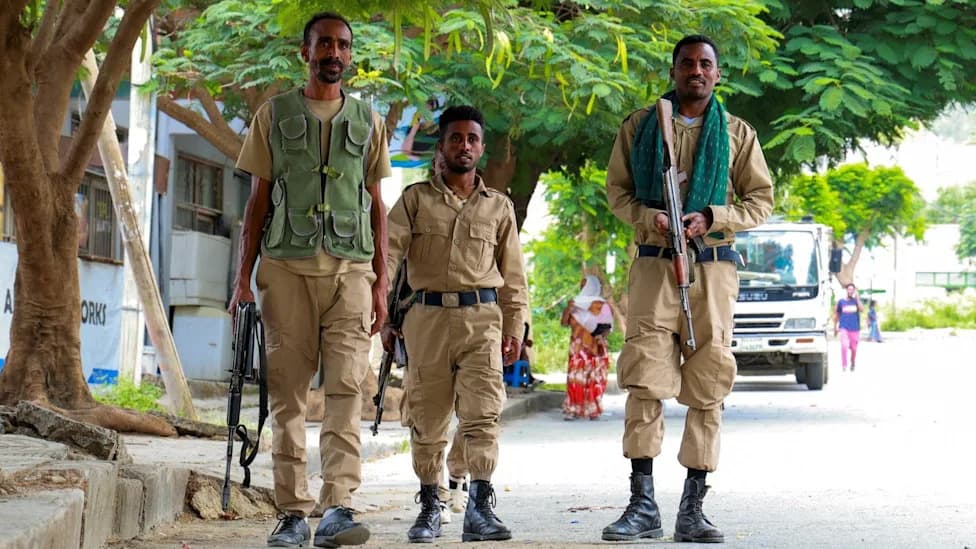
Diplomatic missions and law enforcement have negotiated releases and executed raids, but progress is uneven. In territories contested by armed groups — especially parts of Myanmar — rescue and prosecution are extremely difficult. Rights officials and law-enforcement sources warn that local corruption and the sophistication of criminal networks complicate shutdown efforts.
Daniele Marchesi, country manager for the UN Office on Drugs and Crime (UNODC) in the Philippines, notes that many trafficked women are brought in to run scams but may be reassigned to other duties, including forced sexual labour, if they do not perform. Former Philippine anti-organized-crime official Gilbert Cruz has described the phenomenon as a global problem: loose regulation and cross-border criminal networks enable traffickers to operate and lure vulnerable workers.
Technology and evolving tactics
Scammers are adopting increasingly sophisticated tools. Encrypted messaging channels trade photo packages to fabricate foreign lifestyles, automated translation tools to avoid language barriers, and AI face and voice filters to create convincing personas or allow operators to switch identities instantly. Contracts and audition materials obtained from sites advertise knowledge of cryptocurrency, platform experience and acting skills as qualifications.
Survivors say compounds control money through closed economies: although some “models” were told they could earn thousands of dollars a month, most of that income could only be spent within the compound’s facilities or was withheld entirely.
Aftermath and recovery
Return and recovery are long processes. Casie was repatriated in April but faces massive family debts accumulated while she was detained. Lily returned to her children in November and must rebuild a household while coping with trauma. Survivors and families continue to press regional and international authorities to coordinate stronger prevention, rescue and prosecution efforts.
This article is based on a months-long investigation and multiple interviews with survivors, families and officials.
Reporters: Teele Rebane, Hanako Montgomery. Field producer: Yasmin Coles. Editors: Sheena McKenzie, Hilary Whiteman. Cameraperson: Dan Hodge. Video editor: Exxon Ruebe. Senior video producer: Ladan Anoushfar. Visual editor: Carlotta Dotto.
Help us improve.