A federal judge has scheduled a Dec. 16-17 settlement conference in a lawsuit over access to lawyers at the Everglades detention center nicknamed "Alligator Alcatraz." Plaintiffs seek a preliminary injunction to ease visit and communication rules; the state says most issues have been addressed and earlier delays stemmed from building a remote, large facility. The center is tied to three federal cases, including an environmental challenge and a suit over state authority to run immigration detention; federal reimbursement of about $608 million has been approved.
Settlement Talks Set for 'Alligator Alcatraz' Over Detainees' Access to Lawyers

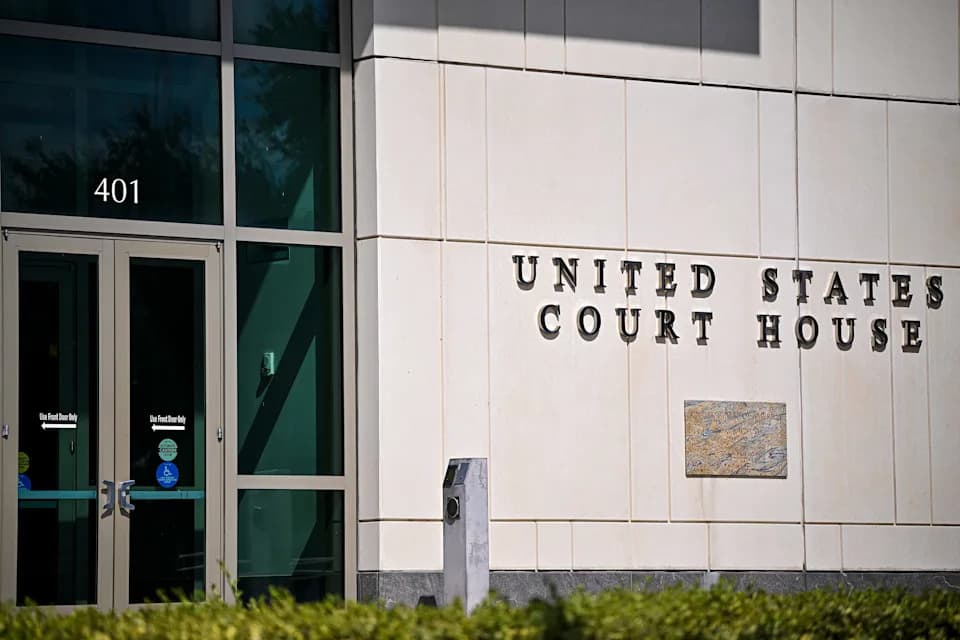
A federal judge in Fort Myers, Florida, has ordered a Dec. 16-17 settlement conference to try to resolve a lawsuit over whether detainees at the Everglades immigration center known as "Alligator Alcatraz" are receiving adequate access to legal counsel.
U.S. District Judge Sheri Polster Chappell set the conference after telling the parties she believed they were "closer on a lot of issues than we were before" and expressing hope they could reach agreements that protect detainees’ rights without imposing undue burdens on defendants.
What the plaintiffs say: Attorneys representing detainees are seeking a preliminary injunction to make it easier for clients to meet and communicate with lawyers. Eunice Cho of the American Civil Liberties Union told the court that lawyers must make appointments three days in advance to visit the facility, unlike many other detention centers where counsel can arrive during visiting hours. She said detainees are often transferred after appointments are scheduled and that long scheduling delays have prevented some detainees from meeting attorneys before critical deadlines.
What the state says: Nicholas J.P. Meros, counsel for the state, said most concerns initially raised have been addressed. He argued that earlier delays were largely the result of building and operating a large detention site in a remote area of the Everglades with limited infrastructure.
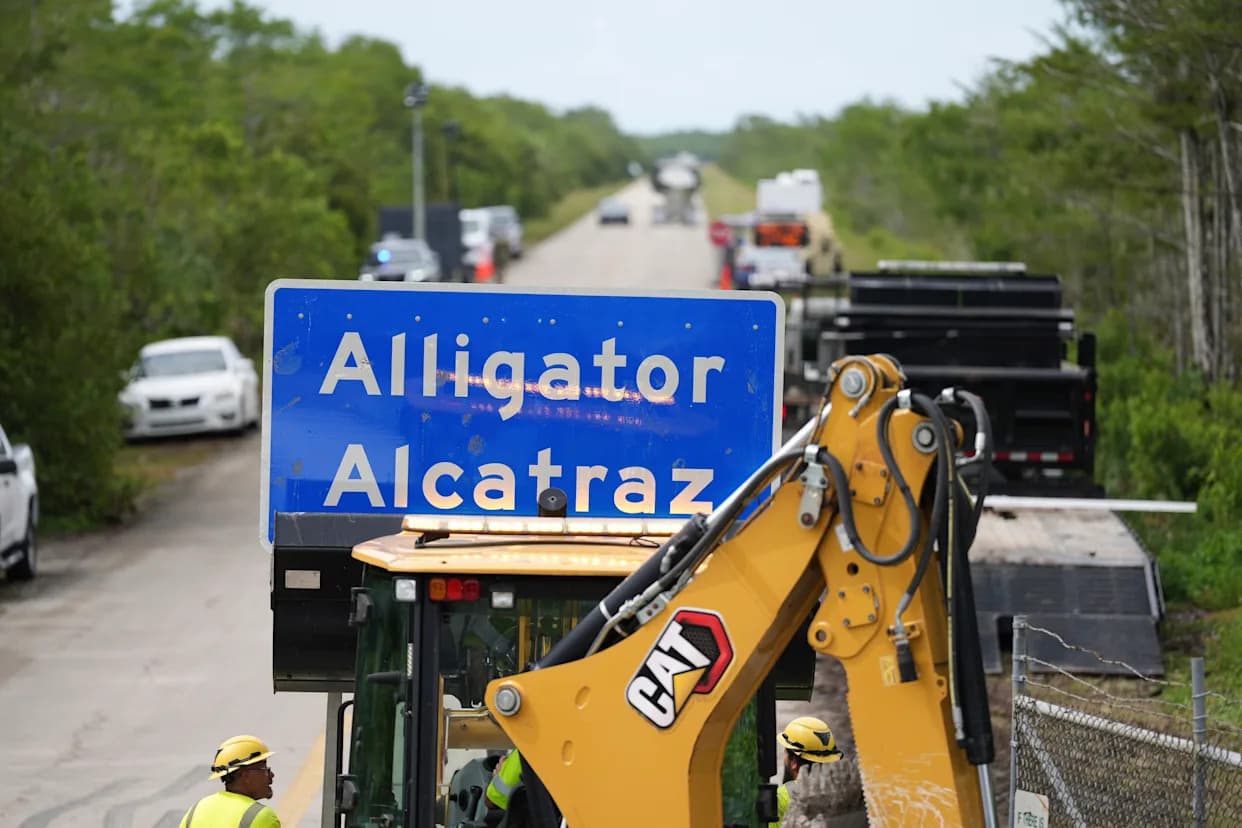
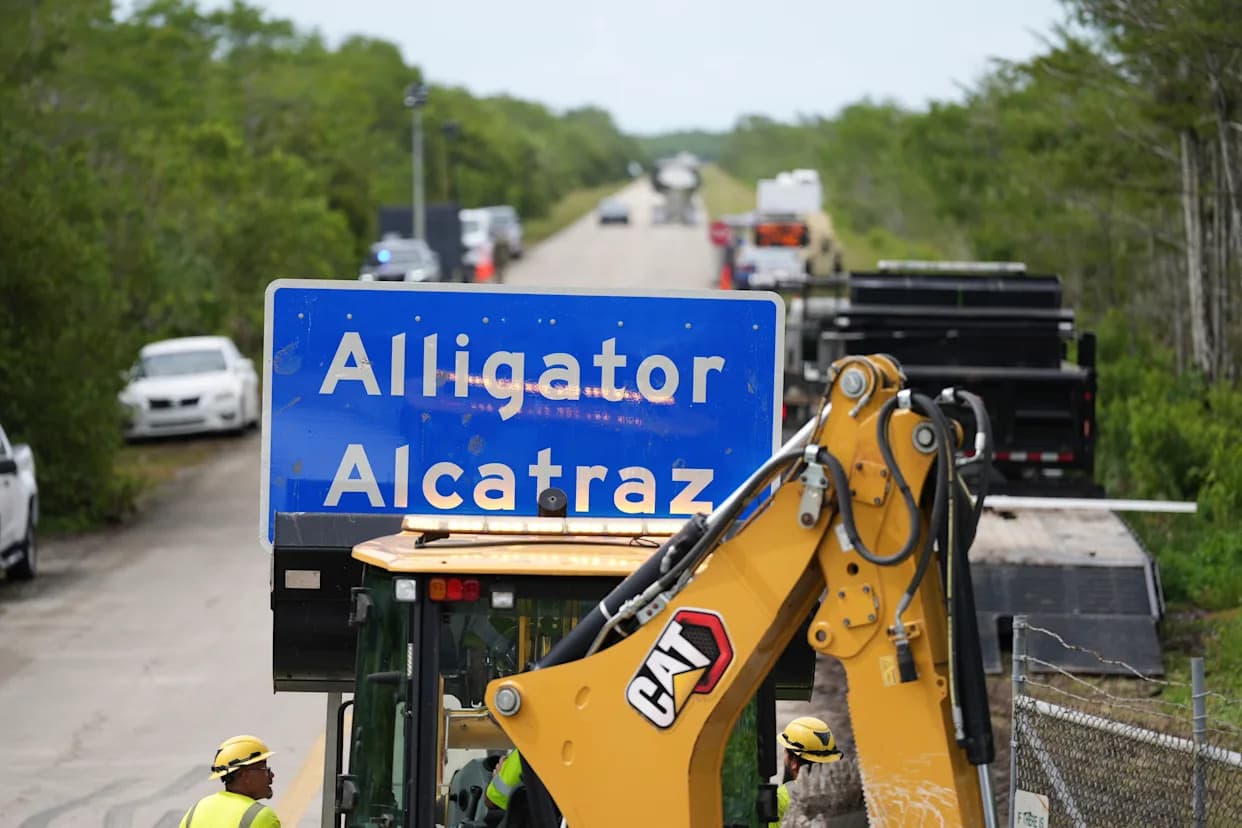
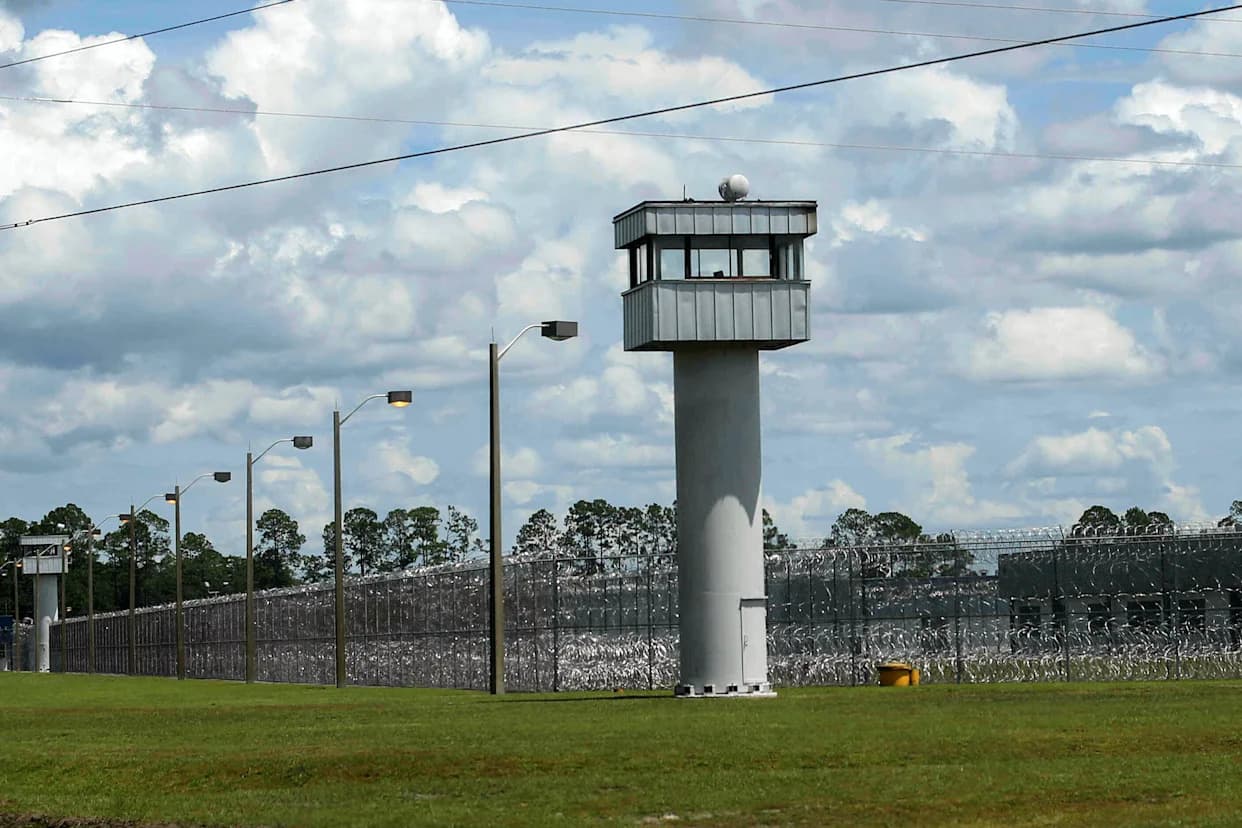
The center was constructed last summer at a remote airstrip under the administration of Florida Gov. Ron DeSantis. The facility is the subject of three separate federal cases: the access-to-counsel suit, an environmental challenge, and a lawsuit arguing that immigration enforcement is a federal responsibility and that state agencies and private contractors lack authority to run the facility.
In September, a federal appeals panel allowed the center to keep operating by pausing a lower court’s preliminary injunction that had ordered the facility to wind down. President Donald Trump visited the site in July and suggested it could serve as a model for future detention centers as federal authorities expand infrastructure for immigration enforcement. Although the facility was built and is operated by the state and private contractors, federal officials have approved reimbursing Florida for approximately $608 million.
"I think we’re closer on a lot of issues than we were before," Judge Chappell said. "I would think the parties can come to the table and reasonably come to some agreements...that will allow the plaintiffs to have the rights that they deserve."
The December conference will give both sides an opportunity to negotiate potential fixes for visitation, scheduling and transfer practices that affect detainees’ ability to consult legal counsel, and to narrow the issues the court may need to decide if the case proceeds.
Help us improve.