Colombian researchers have raised a cannon, three gold coins and a porcelain cup from the San José, a 1708 Spanish galleon long dubbed the "holy grail" of shipwrecks. The recovery is part of a government-led scientific project studying the wreck, believed to lie about 600 metres deep, with the exact location kept secret. International legal disputes continue—an American salvage firm seeks compensation and Spain claims ownership—while Colombia emphasizes research, conservation and analysis of sediment and artifacts.
‘Holy Grail’ of Shipwrecks: Colombian Team Recovers Cannon, Gold Coins and Porcelain from the San José

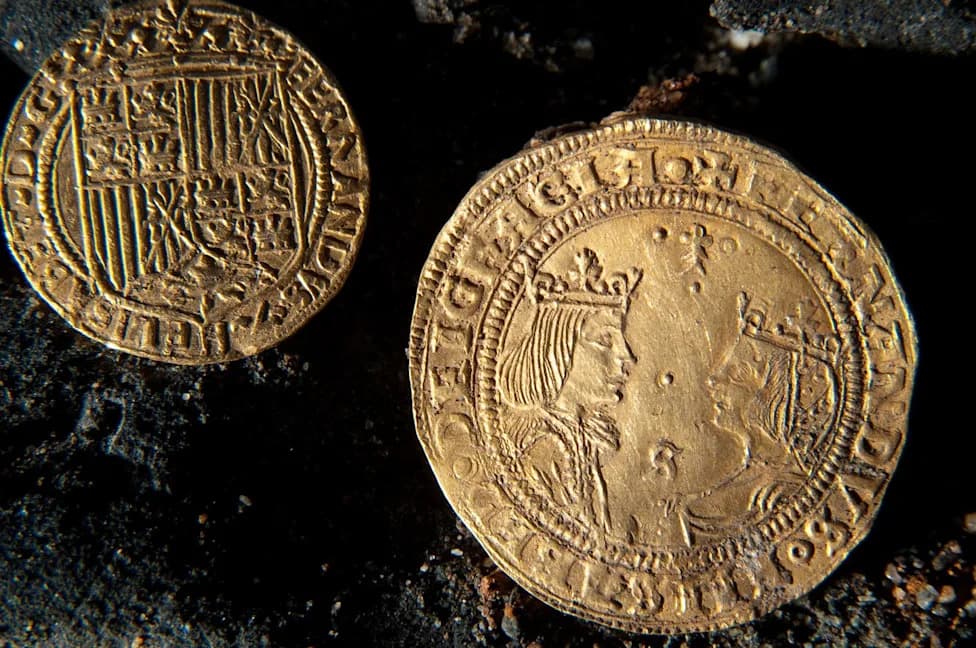
Colombian researchers have recovered the first artifacts from the Spanish galleon San José—a cannon, three gold coins and a porcelain cup—part of a cargo long believed to be among the most valuable shipwreck hauls in history.
The recovery and its purpose
The retrieval was carried out as part of a government-directed scientific project launched to study the wreck and determine the circumstances of its sinking. Officials say the site lies about 600 metres below the surface in the Caribbean, but the precise location remains secret for conservation and legal reasons.
Historical context
The San José sank in 1708 while en route to Europe carrying riches intended to help finance the War of the Spanish Succession. Contemporary accounts and later estimates suggest the galleon may have been carrying as many as 11 million gold and silver coins, along with emeralds and other valuables taken from Spanish colonies—details that earned the wreck the nickname "the holy grail of shipwrecks." Historians long believed the ship was sunk by a British squadron led by Admiral Charles Wager near Cartagena; Colombian authorities say other causes, including hull damage, remain plausible and are under investigation.
Discovery and dispute
The wreck remained lost for more than three centuries until Colombian naval researchers located it in 2015. Since then, the site has been the subject of international legal disputes. Sea Search Armada (also known as Glocca Morra), a U.S. salvage company, claims it discovered the wreck in the 1980s and is seeking around $10 billion in compensation. Spain has also argued in court that the recovered cargo remains Spanish property. The Colombian government stresses that the current operation is scientific rather than a treasure seizure.
Conservation and research plans
Bogotá's culture ministry said the retrieved cannon, coins and porcelain cup will be kept in a purpose-built conservation laboratory where specialists will stabilise and study them. Alhena Caicedo, director of the Colombian Institute of Anthropology and History, said sediment samples and other materials taken from the site will be analysed to shed light on the wreck's final moments and the environmental conditions at the seabed.
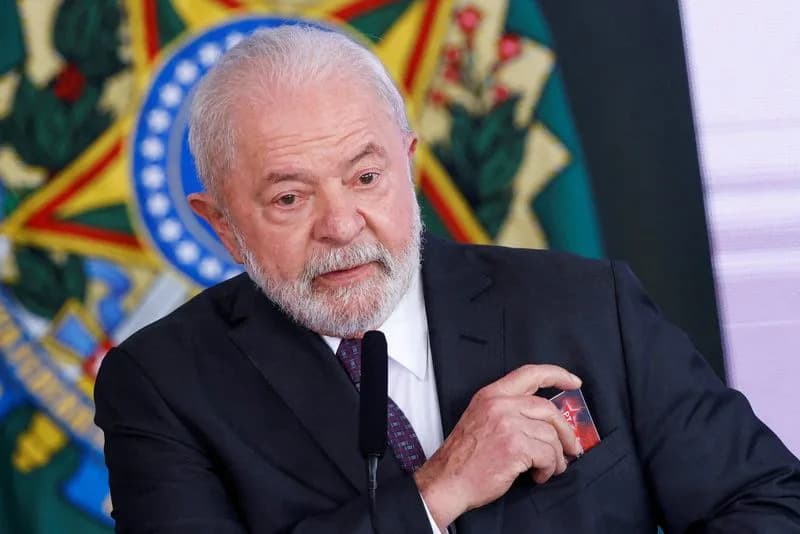
President Gustavo Petro said the deep-water project is focused on research and heritage preservation; he was reportedly present when the items were brought to the surface.
The retrieval marks the first tangible outcome of the deep-water programme and is likely to intensify legal debates even as scientists begin careful conservation and study of the recovered objects.
Help us improve.