An Israeli strike on Haret Hreik in Beirut's southern suburbs killed Haytham Ali Tabatabai (Sayyid Abu Ali), a senior Hezbollah commander, and four others. Tabatabai, born in 1968, rose through Hezbollah's ranks, led several regional commands, helped form the elite Radwan Force, and was named chief of staff after last year's conflict. Hezbollah denounced the attack as an assassination, while Israel said it acted to eliminate a security threat; the move risks escalating tensions amid ongoing ceasefire violations and mounting domestic frustration in Lebanon.
Hezbollah Chief of Staff Haytham Ali Tabatabai Killed in Israeli Strike on Beirut Suburb

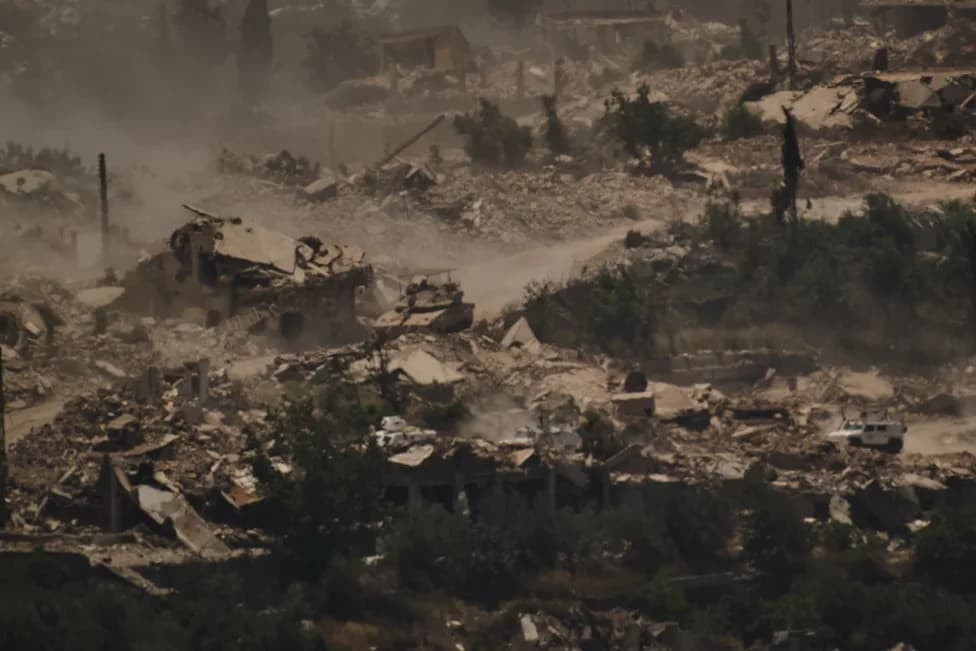
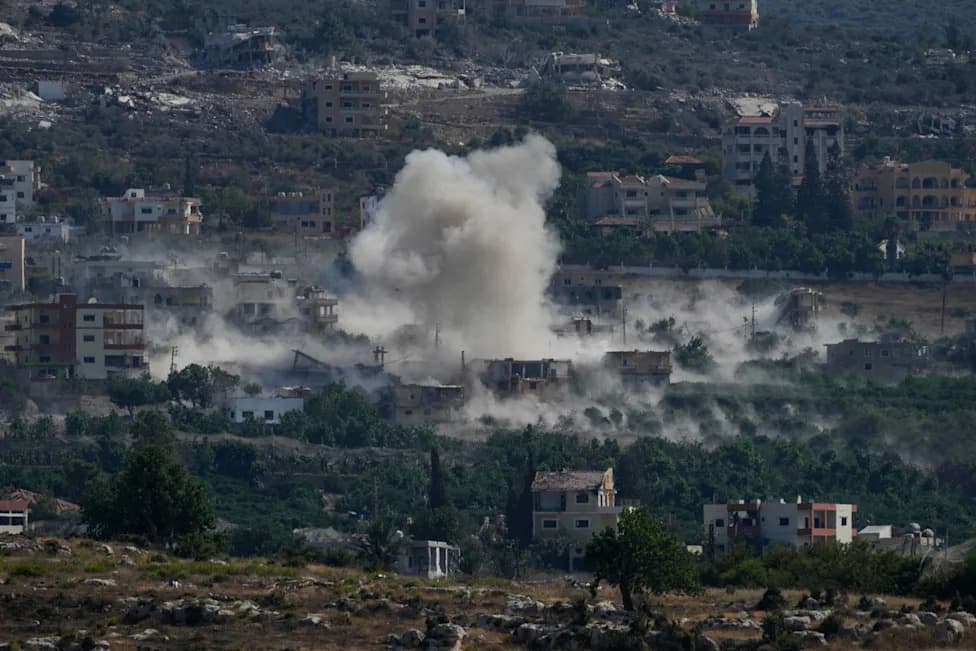
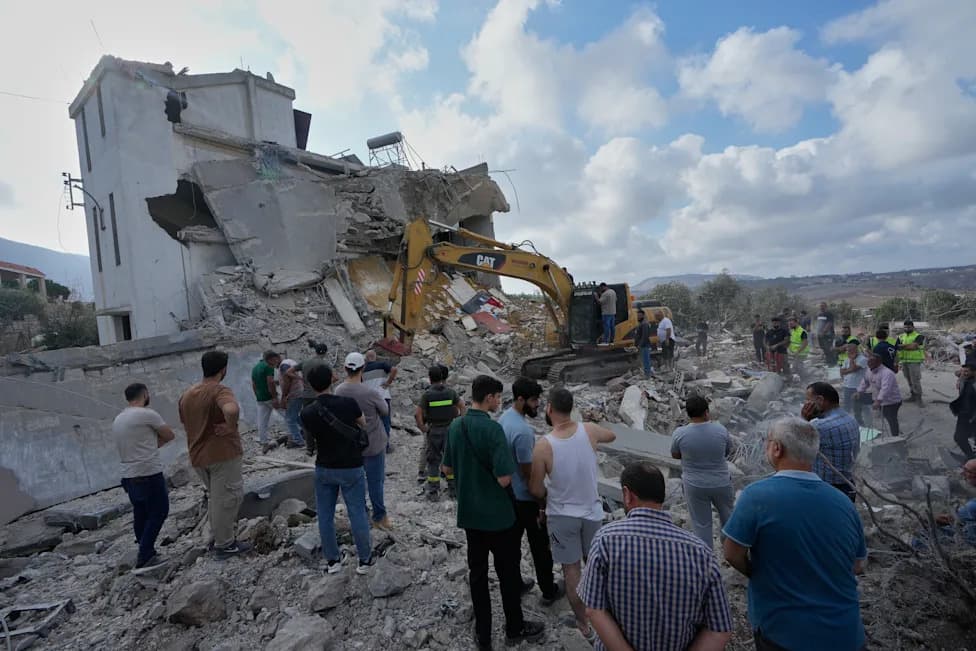
An Israeli strike on the Haret Hreik neighborhood in Beirut's southern suburbs killed five people, including Haytham Ali Tabatabai, a senior Hezbollah military commander widely known within the movement as Sayyid Abu Ali. The strike — the first direct hit on the southern suburbs in months and the first without prior warning since the November 2024 ceasefire — has raised fears of renewed escalation across Lebanon.
Tabatabai, born in 1968 in Bashoura in Beirut and raised in southern Lebanon, is reported to have joined Hezbollah in the 1980s. His father was said to have had Iranian roots. Until Sunday, Tabatabai maintained a low public profile; like many of Hezbollah's military figures, he operated largely in the shadows to reduce the risk of targeted killings.
Long military career
Hezbollah described Tabatabai as a long-serving military leader who rose through the group's ranks after its founding in 1982. He led the Nabatieh command area from 1996 until Israel's withdrawal from southern Lebanon in 2000, then headed the Khiam command from 2000 to 2008. Hezbollah credits him with a leadership role during the July 2006 war and with helping to establish the Radwan Force, the group's elite operations unit.
In subsequent years he oversaw operations along the Syrian border and is reported to have led Radwan deployments in both Syria and Yemen. After many of Hezbollah's senior field commanders were killed during last year's conflict, Tabatabai was appointed the group's chief of staff, responsible for rebuilding and reorganizing military capabilities.
Reaction and context
Hezbollah called the strike a "treacherous assassination" and confirmed the deaths of four other members: Qassem Hussein Berjawi, Rifaat Ahmad Hussein, Mostafa Asaad Berro and Ibrahim Ali Hussein. Mahmoud Qmati, vice president of Hezbollah's Political Council, described the attack as a violation of the ceasefire and accused Israel of escalating the conflict with backing from the United States. A senior Hezbollah lawmaker warned the strike crossed a "red line" and said the group would consider an appropriate response.
Lebanese President Joseph Aoun, who two days earlier had announced his government's intention to pursue peace talks with Israel, appealed to the international community to act to prevent further strikes. Many residents in southern Lebanon and parts of Beirut have expressed frustration with the government's perceived inability to prevent repeated attacks or to rebuild damaged communities.
Israeli officials defended the operation as a security necessity, saying Tabatabai commanded multiple Hezbollah units and had worked to restore the group's combat readiness. Israel also stated it remains committed to the understandings with Lebanon that underpin the ceasefire framework. U.S. officials said they had expected a period of heightened tension but were not briefed in advance on the specifics of this particular strike; Washington was notified after the operation.
United Nations experts have reported frequent ceasefire breaches since the truce took effect in November 2024. Analysts warn that targeting a senior commander inside Beirut's suburbs — an area long considered sensitive because of its dense civilian population and its political symbolism — risks widening the confrontation across Lebanon.
The strikes add renewed uncertainty to a tense border environment and compound local grievances over security and reconstruction. As both sides exchange accusations, the coming days will be watched closely for signs of retaliation or further diplomatic intervention.
Help us improve.