Key points: A federal judge dismissed indictments against James Comey and Letitia James after finding the prosecutor who presented the cases, Lindsey Halligan, was not lawfully appointed under 28 U.S.C. § 546 and the Constitution’s Appointments Clause. The judge ruled that actions flowing from the defective appointment were unlawful and set them aside, dismissing the charges without prejudice. The decision also emphasized concerns about grand jury procedure and Halligan’s limited federal trial experience.
Federal Judge Tosses Indictments of James Comey and Letitia James Over Improper Appointment

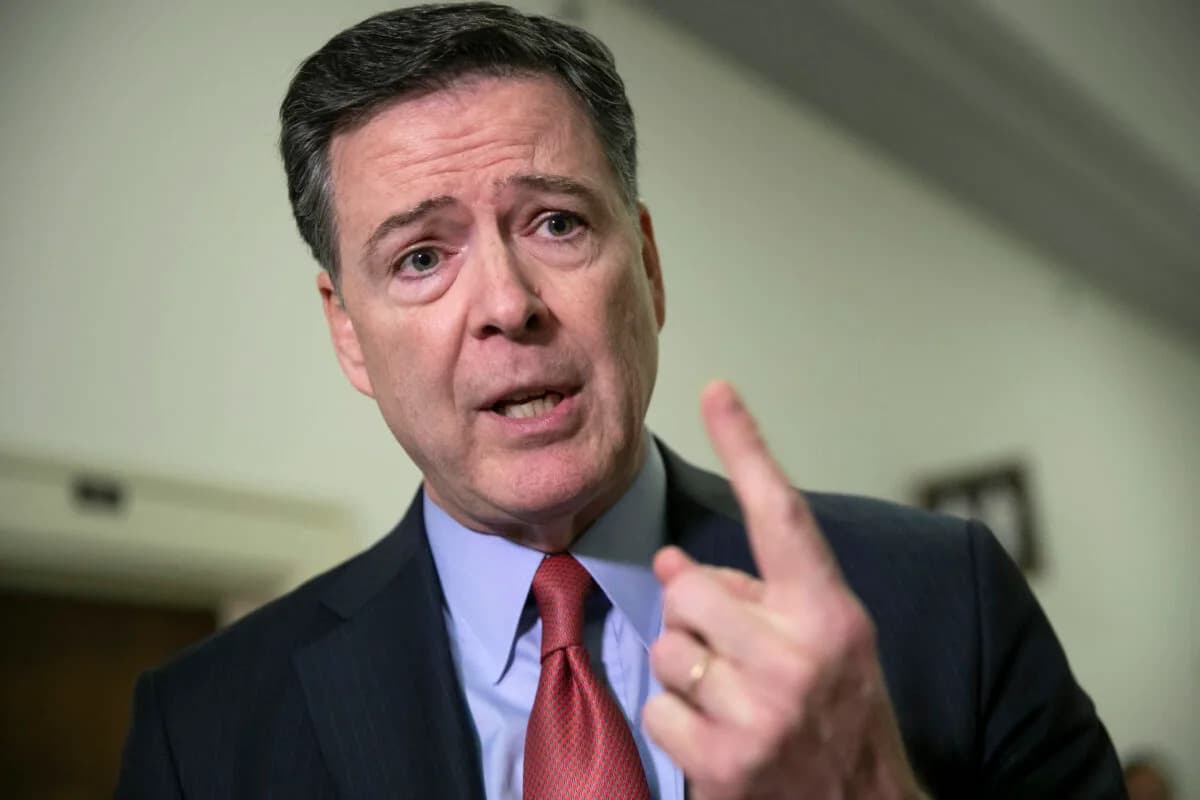
A federal judge in Virginia on Monday dismissed criminal indictments against former FBI Director James Comey and New York Attorney General Letitia James, concluding that the prosecutor who brought the cases was not lawfully appointed.
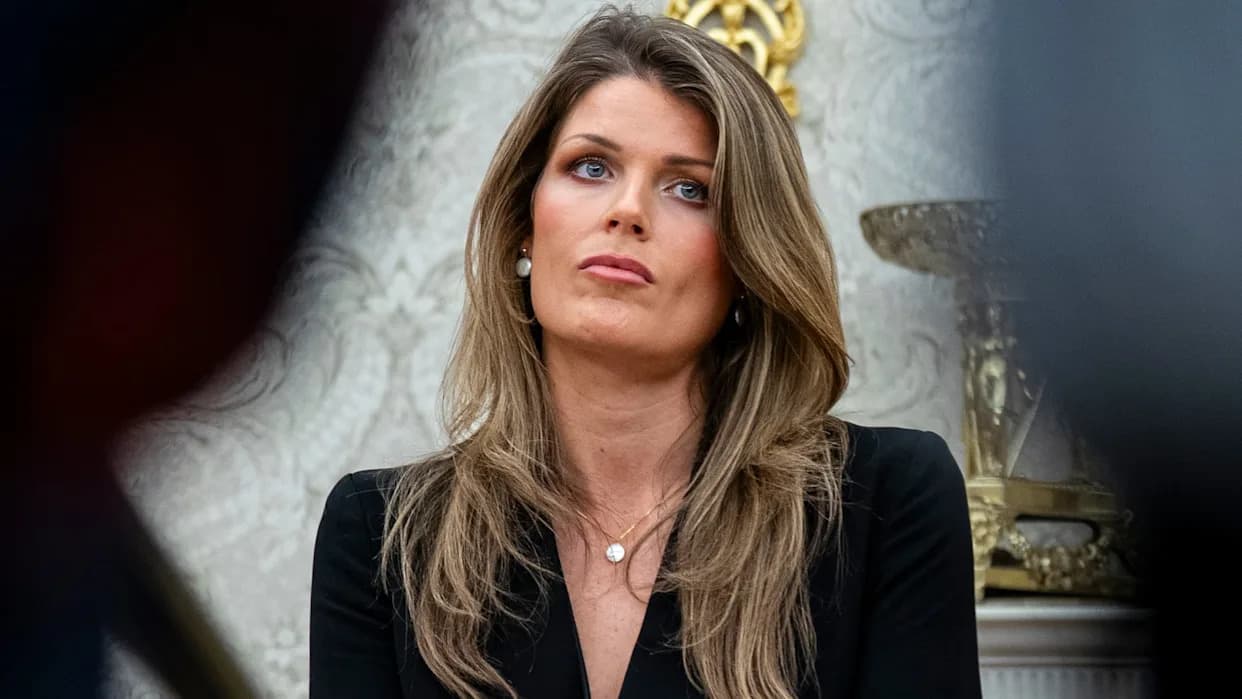
U.S. District Judge Cameron McGowan Currie found that Lindsey Halligan’s appointment violated 28 U.S.C. § 546 and the Appointments Clause of the Constitution. Halligan, who was authorized by an order dated September 22, 2025, served as the interim U.S. Attorney for the Eastern District of Virginia; Currie ruled that the appointment was invalid and that actions taken under it were unlawful.
"Mr. Comey now moves to dismiss the indictment on the ground that Ms. Halligan, the sole prosecutor who presented the case to the grand jury, was unlawfully appointed in violation of 28 U.S.C. § 546 and the Constitution’s Appointments Clause... Because Ms. Halligan had no lawful authority to present the indictment, I will grant Mr. Comey’s motion and dismiss the indictment without prejudice," Judge Currie wrote.
Halligan had secured a two-count indictment against Comey alleging false statements to Congress and obstruction of a congressional proceeding. She also charged Letitia James with bank fraud and making false statements to a financial institution in connection with a 2020 home purchase. Those cases were filed after public appeals from former President Donald Trump urging prosecutions of his political opponents, a factor Currie noted in her opinion.
Why the indictments were dismissed
Defense attorneys argued that the 120-day statutory period permitting an interim U.S. attorney to serve without Senate-confirmed appointment had already expired, so Halligan lacked authority to present matters to the grand jury. Currie agreed, concluding that "all actions flowing from Ms. Halligan’s defective appointment were unlawful exercises of executive power and are hereby set aside." The judge warned that allowing a contrary outcome would permit the government to place an unvetted private citizen before a grand jury with retroactive approval—an unacceptable result under the law.
Questions about grand jury procedure and prosecutorial experience
The proceedings had already drawn scrutiny. Other judges raised concerns about whether evidence was properly presented to the grand jury and whether the full grand jury ever received the two-count indictment against Comey after jurors reportedly rejected parts of Halligan’s presentation. Halligan, who had little federal trial experience and whose background was primarily in real estate and insurance matters, had not previously tried a federal criminal case.
The dismissals were entered "without prejudice," which means prosecutors could seek to refile charges if they correct the appointment defects or pursue the matters under a different, lawful charging authority. The ruling underscores judicial limits on the executive branch’s appointment power and highlights procedural safeguards that govern grand jury indictments.
This is a developing story and may be updated as additional details emerge.
Help us improve.