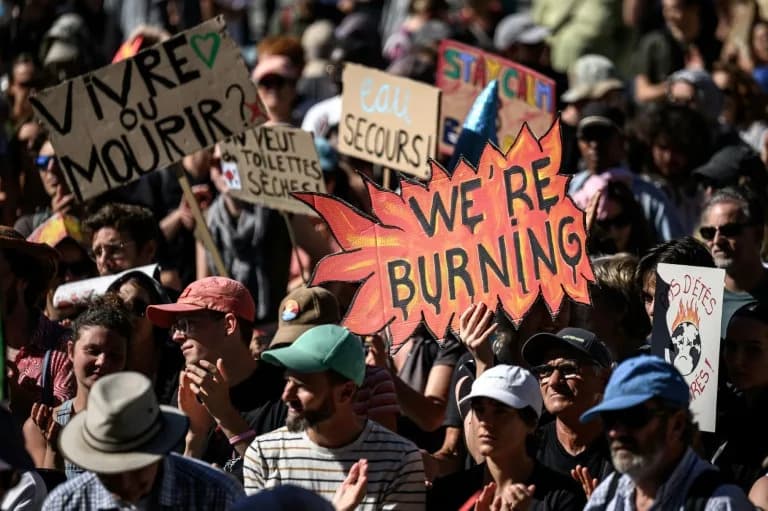
Greta Thunberg was fined €150 and banned from Venice for 48 hours after she and Extinction Rebellion activists poured an allegedly harmless green dye into the Grand Canal, unfurled a "stop ecocide" banner from the Rialto Bridge and staged a flash-mob. Authorities cited concerns over Venice's fragile environment; some tourists defended the protest as drawing attention to leaders' inaction on climate change. The action was part of a wider series of dye protests in 10 Italian cities timed with COP30, which ended with compromises that disappointed many campaigners. Separately, Thunberg says she was mistreated during a recent detention in Israel, a claim denied by the Israeli foreign ministry.
Greta Thunberg Banned from Venice After Activists Dye Grand Canal Green in COP30 Protest

Greta Thunberg, the 22-year-old climate activist, has been fined €150 (£132) and given a 48-hour ban from entering Venice after she and Extinction Rebellion protesters poured an environmentally harmless green dye into the Grand Canal.
Local authorities issued the same fine and temporary ban to 35 other demonstrators who took part in the weekend action, which coincided with the conclusion of the COP30 climate conference in Belém, Brazil.
The group also hung a banner reading "stop ecocide" from the Rialto Bridge and staged a flash-mob in which activists, dressed in red and wearing veils, walked slowly through crowds of tourists to draw attention to the climate emergency.
"A disrespectful act towards our city, its history and its fragility," said Luca Zaia, governor of the Veneto region that includes Venice. "It's a gesture that risks having consequences for the environment."
Several tourists who witnessed the demonstration told Italian media they considered the action legitimate and effective in highlighting what they see as world leaders' failure to act decisively on climate change.
Extinction Rebellion said activists carried out similar dye releases in a total of 10 Italian cities to dramatise the potential effects of climate collapse. The group said they poured dye into fountains and waterways in Genoa, Padova, stretches of the Po near Turin, the Reno in Bologna, and the Tara river in Taranto.
The activists described the dye as environmentally benign; local officials, however, voiced concern about any interference with Venice's fragile aquatic ecosystem and major tourist sites.
The protest followed a COP30 meeting in Belém that ended with compromises many campaigners found disappointing. Brazilian president Luiz Inácio Lula da Silva had urged delegates to agree on a roadmap to phase out fossil fuels, but delegates said oil-rich states and countries dependent on fossil fuels resisted explicit language on a transition. Negotiators instead secured increased funding pledges to address climate impacts, while measures to directly curb fossil fuel use remained limited.
Separately, Thunberg was detained by Israeli authorities last month after taking part in an effort by the Global Sumud Flotilla to deliver humanitarian aid to Gaza. Organisers said it was the coalition's second attempt to breach Israel's naval blockade, in place since 2009. Thunberg has alleged she was "hit, kicked, starved and tortured" while in custody and said guards defaced her suitcase with abusive words and images. The Israeli foreign ministry denied those claims, calling them "brazenly lying."
The events underline the rising tension between direct-action climate groups pressing for rapid systemic change and authorities charged with protecting historic sites and public order. The fines and short ban on Thunberg and other activists close this episode, but organisers say the protests were intended to keep pressure on decision-makers after COP30.
Help us improve.