Nordic Air Defence has developed the Kreuger-100XR, a foot‑long, carbon‑fibre interceptor weighing about one pound and designed to loiter, autonomously acquire targets and destroy hostile drones. NAD claims the XR can exceed 220 mph, loiter for at least 20 minutes, and engage threats out to roughly two miles. Priced at a few thousand dollars each, the interceptor aims to offer a scalable, low‑cost alternative to traditional interceptors; the company has raised about $4.4M and plans trials while moving toward mass production.
Swedish Startup’s Football‑Sized Interceptor Aims to Make Drone Defense Cheap and Scalable

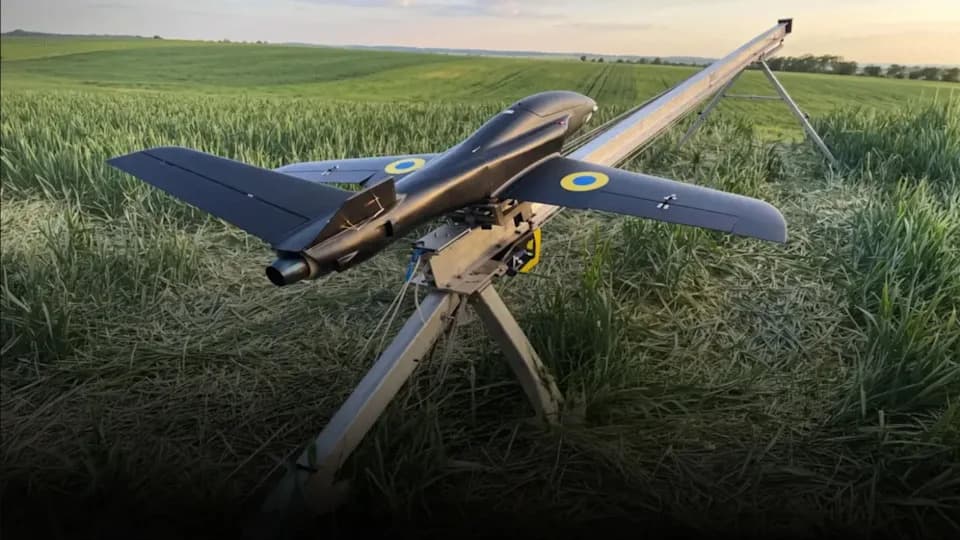
Sleek, black and roughly the length of a foot, the Kreuger-100XR looks almost like a high‑end toy — until you consider its mission. Developed by Swedish startup Nordic Air Defence (NAD), the largely carbon‑fibre, single‑prop interceptor is designed to loiter, autonomously acquire targets and destroy hostile drones at a fraction of the cost of traditional interceptors.
Design and capabilities
The Kreuger-100XR (XR for Extended Range) weighs about one pound (≈0.45 kg), features foldable wings and a single propeller that NAD says can push it to speeds above 220 mph (≈355 km/h). With an advertised loiter time of at least 20 minutes and an effective engagement range of roughly two miles (≈3.2 km) at around 3,300 feet (≈1,000 m), the XR is intended to be launched in numbers to counter swarm attacks.
Cost and operational concept
Cost is central to NAD’s pitch. The company declines to state an exact price but says each interceptor costs a few thousand dollars — far below conventional short‑range interceptors that typically run from hundreds of thousands to millions of dollars. NAD’s goal is a "quantity over unit price" model: cheap, single‑use or limited‑use interceptors that can be deployed in large numbers.
"If we are being attacked by a swarm of drones, we need a swarm of counter‑drones," said Jens Holzapfel, NAD's director of business development.
Sensors, warheads and variants
NAD says the XR’s primary cost drivers are its seeker and an optional 250‑gram explosive warhead intended for larger threats such as Shahed‑type attack drones. The standard variant uses a camera‑based seeker for autonomous target acquisition; a lower‑cost version with a laser seeker is planned, which would require a separate laser designator to mark targets.
Deployment, limits and testing
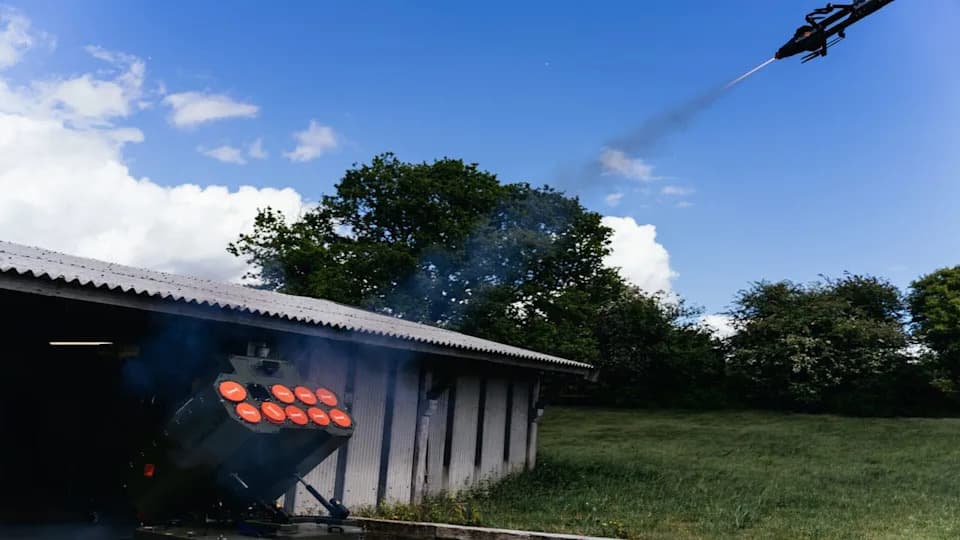
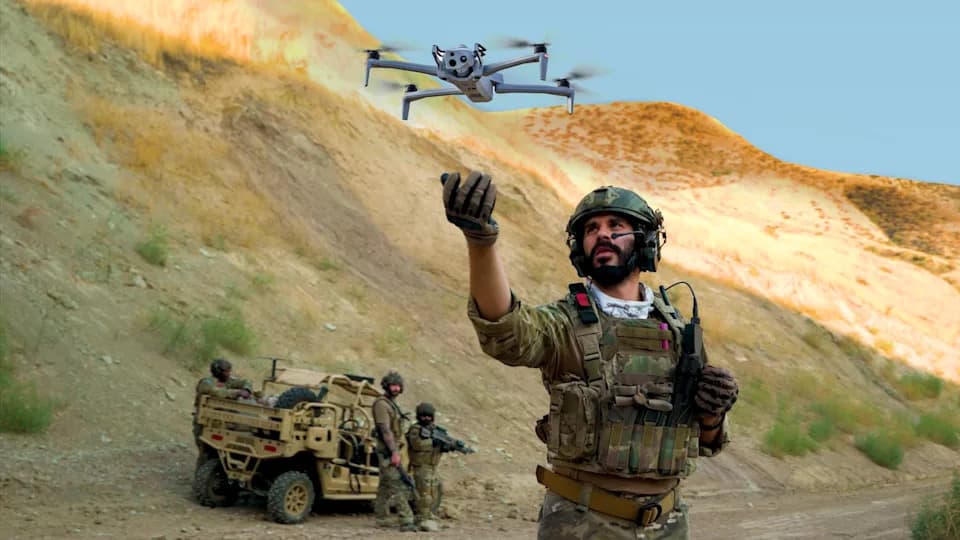
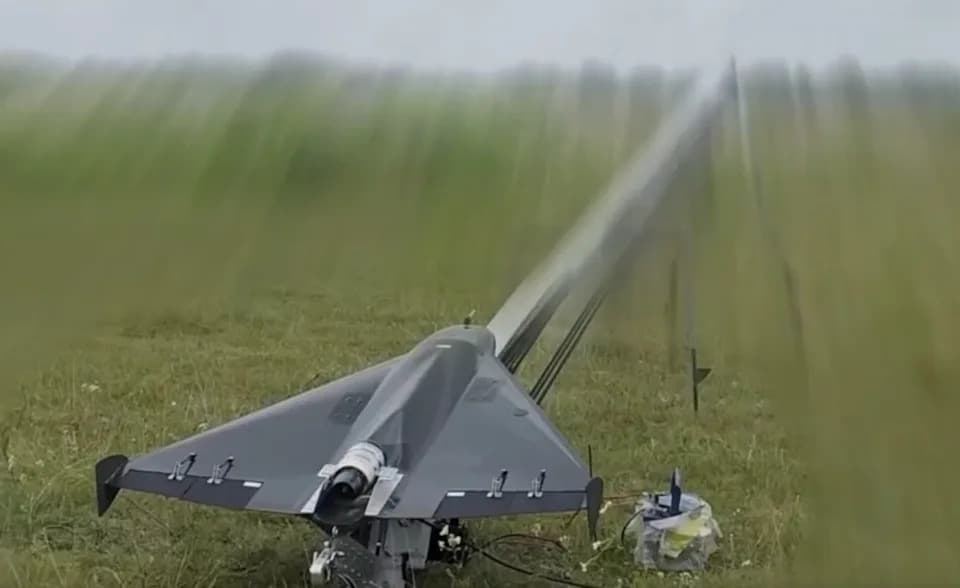
The company envisions the interceptor being portable enough for a single operator to carry multiple units in a backpack and launch them by hand or with a small catapult. NAD demonstrated that the prototype can be thrown like a dart, though effective hand launches require significant strength.
Notable technical challenges remain: friend‑or‑foe coordination to keep multiple interceptors from targeting each other, operational ceiling constraints (many threats cruise above 2,000 meters), and a lack of combat testing to date. NAD plans trials in Ukraine but has not yet deployed the XR in combat.
Business and production
Founded in March 2024 and operating from a small Stockholm office with about 23 staff, NAD has raised roughly $4.4 million and is preparing to move from prototyping toward automated manufacturing. The firm plans initial production in Sweden and aims to minimize reliance on Chinese suppliers by sourcing components from Europe, North America, Japan and South Korea. Some final assembly, such as installing warheads, is expected to remain manual.
Context
Startups like NAD are part of a broader push in Europe to respond to the proliferation of low‑cost attack drones. They will compete with larger defense primes developing more complex interceptors. NAD’s advantage, it says, is speed to market, lower unit cost and the ability to scale an economy‑of‑numbers approach to counter swarms.
Current status: NAD has completed prototyping and is moving toward mass production while recruiting software engineers to develop AI for swarm management. The company emphasizes it will only deploy systems to contested regions when confident of their effectiveness.
Help us improve.