The U.S. and Ukraine are discussing a possible trip by President Zelenskyy to Washington as negotiators press to secure a deal by Thanksgiving, but any visit hinges on the outcome of Geneva talks. Kyiv says it has not accepted a leaked 28-point draft and is concerned about the vagueness of separate U.S. security assurances that fall short of a binding treaty. Parallel diplomatic efforts led by several presidential advisers and envoys have converged, prompting scrutiny from U.S. lawmakers worried about potential territorial concessions to Russia.
Zelenskyy Could Visit Washington as Geneva Talks Try to Secure Thanksgiving Deal

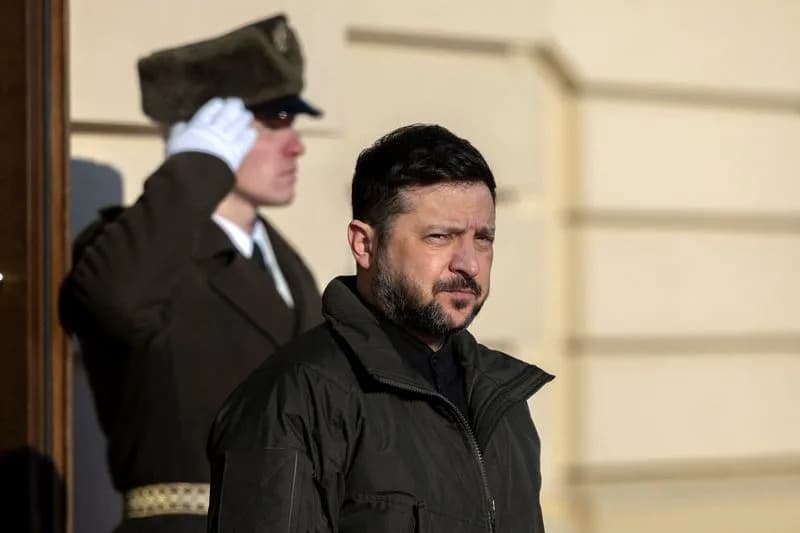
U.S. and Ukrainian officials are discussing the possibility of President Volodymyr Zelenskyy traveling to Washington this week as negotiators press to reach a Ukraine agreement by Thanksgiving. Officials say Zelenskyy's trip would depend on the outcome of peace talks in Geneva scheduled for Sunday; the administration has described the Thanksgiving target as flexible.
Sen. Marco Rubio, speaking from Geneva, described the meetings with European and Ukrainian representatives as a meaningful step while cautioning that additional work remains. "I think this was a very, very meaningful — probably the best — meeting and day we've had so far in this entire process," he said, urging patience as teams continue negotiations.
After meeting with foreign delegations, Andriy Yermak, Zelenskyy's chief of staff, said negotiators had made progress and were "moving forward to a just and lasting peace." A senior administration official added that no firm plans for a Zelenskyy visit exist while diplomacy is active and that there are currently no scheduled talks with Russia.
Leaked 28-Point Draft and Security Assurances
Kyiv has not accepted all the terms in a leaked draft 28-point peace plan that circulated last week. Olga Stefanishyna, Ukraine's ambassador to the United States, said in an interview that the draft is aimed at ending the fighting rather than addressing the full justice and accountability issues surrounding the invasion. She also said Russia has not made meaningful concessions and that none of the leaked points compel reciprocity from Moscow.
U.S. and Ukrainian officials say the 28-point draft is accompanied by a separate document outlining proposed security guarantees. Stefanishyna described this addendum as a "framework of security assurances" that expresses an intention by the United States to provide commitments similar in spirit to NATO's Article 5—such as a pledge to come to Ukraine's defense. But she stressed these assurances would lack the detailed, binding provisions and congressional approval that accompany a formal treaty, a shortfall that raises concerns in Kyiv given historical disappointments dating to the 1994 Budapest Memorandum.
Why Now and the Military Situation
U.S. officials say the administration's negotiations have been shaped by the assessment that Russian President Vladimir Putin likely expects to secure the Donetsk region either through a negotiated settlement or continued military pressure. While U.S. officials declined to offer a formal assessment on whether Ukraine is losing the war in the east, they noted battlefield trends — including Russian advances near Pokrovsk, a logistics hub often referred to as a gateway to the industrial Donbas — as an unfavorable sign for Kyiv's defensive prospects.
Parallel Diplomatic Tracks and Key Players
Diplomatic efforts inside the administration have reportedly run on parallel tracks that are now converging. Jared Kushner and U.S. special envoy Steve Witkoff have been developing a "term sheet" intended to end the war, while other senior advisers and envoys have pursued related talks. Kremlin adviser Kirill Dmitriev was reported to have participated in drafting elements of the 28-point proposal that U.S. officials are now discussing.
J.D. Vance, described by some officials as a driving force behind the administration's Ukraine diplomacy, and Army Secretary Dan Driscoll have played prominent roles. Driscoll, who had been preparing to travel to Ukraine in mid-December on a separate mission to discuss drone technology, was asked to reengage and help refine the security guarantees after the leaked plan emerged.
Political Fallout and Congressional Concerns
The leaked plan has prompted concern among U.S. lawmakers and pro-Ukraine Republicans. Several senators sought assurances that the draft was not authored by a foreign government and asked for clarity on whether the United States would withhold military or intelligence support if Kyiv declined the terms. Administration officials say comments by U.S. negotiators indicating frustration with the situation may have implied pressure, though some lawmakers report being told that no explicit threat to cut assistance was made.
Sen. Angus King warned that the reported plan, as described publicly, risks rewarding Russian aggression by conceding Ukrainian territory while offering vague and inadequate security guarantees.
Administration officials have since been engaging with senators and congressional leaders to explain the negotiations and to reassure allies in Congress. Observers note a broader pattern of retroactive policymaking and an effort by different White House factions to shape how the diplomacy is perceived.
What Comes Next
Negotiators in Geneva will continue talks, and officials say potential outcomes range from additional diplomatic engagement to specific visits by Ukrainian leaders if agreement advances. For now, both sides emphasize that more detailed work on security guarantees and territorial questions remains before any formal commitments are made.
Help us improve.