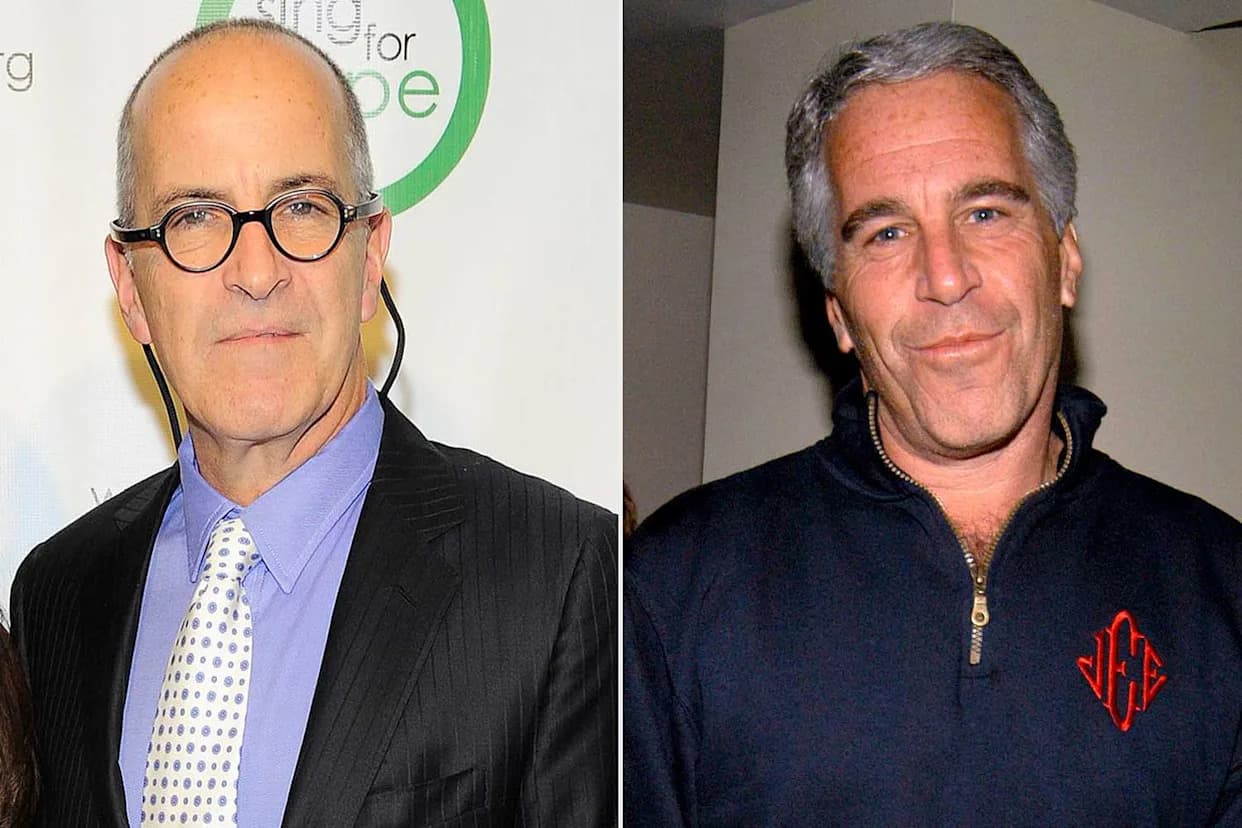
Jeff Rigsby, 54, was a Harvard‑educated investigator who spent decades abroad and returned to Kabul in 2022. He published deeply researched threads exposing frozen Afghan assets and dangerous lead contamination in cookware, drawing millions of views and local attention. Nine days after a Nov. 18, 2024 thread about a proposed pipeline, Rigsby was found dead in his Kabul apartment; Afghan officials reported no clear signs of foul play, but friends and family remain unsettled. His ashes were returned to Durham, leaving unresolved questions about his isolated death.
Relentless in Kabul: The Curious Life and Lonely Death of Jeff Rigsby

Jeff Rigsby, 54, spent the final years of his life in Kabul as an obsessive researcher, prolific online commentator and determined public‑health investigator. In November 2024 he published a 13‑post thread on a proposed Turkmenistan–India gas pipeline; nine days later building staff who had not seen him for days alerted police, who forced entry and found him dead in his apartment.
Rigsby's work was wide-ranging and relentless. Over roughly three decades abroad he produced some 12,000 posts on subjects ranging from energy and infrastructure to public health. His deep dives — often shared as long, meticulously sourced threads — sometimes drew millions of views and prompted local reporting and official inquiries.
Early life and a peripatetic career
Born and raised in Durham, North Carolina, Rigsby entered Harvard at 16 and graduated in 1990 with degrees in economics and East Asian studies. Soon after, he left the United States and spent most of his life overseas. In the 1990s he co‑authored an investigation into abuse in Chinese orphanages published by an international rights group; Chinese authorities expelled him after the report. He briefly lived in Hong Kong, legally changed his name and attempted to return to mainland China but was ordered to leave.
He first traveled to Afghanistan in 2009 to work on a transport infrastructure project. After that endeavor collapsed in 2014 he tried development work in Ethiopia until the country’s civil war forced him out in 2022, when he returned to Kabul.
Investigations and public‑health work in Afghanistan
Rigsby lived modestly in Kabul, supporting himself partly with rental income from properties in Athens and occasional family loans. From 2022 until his death he led investigations into frozen Afghan assets, nonprofit records and public‑health threats. He spent months examining the Fund for the Afghan People and reported that roughly $3.7 billion in Afghan assets remained effectively frozen; two days before his last pipeline thread he posted findings about irregularities in the nonprofit's board minutes.
In early 2024 Rigsby focused heavily on lead contamination linked to cookware made from recycled scrap metal — a known contributor to elevated lead exposure in parts of Afghanistan. Borrowing testing equipment and using local contacts, he visited smelters and factories, measured lead levels in pressure cookers and pots, and consulted international experts to identify practical remedies. One extensive thread on the topic drew millions of views and spurred local media coverage and government attention.
Warnings, arrests and final weeks
Rigsby's outspoken approach sometimes unnerved Afghans and alarmed officials and private interests. He said he had been arrested multiple times after returning to Afghanistan. In the months before his death he reported feeling uneasy: his regular driver was told not to pick him up before a planned health‑ministry meeting, and a prominent manufacturer he criticized lodged formal complaints that led authorities to restrict coverage of the controversy.
Friends and local colleagues tried to intercede. An Afghan academic, Obaidullah Baheer, met with Taliban officials to ask about Rigsby's standing; they told Baheer they had no case against him. Still, some acquaintances wondered whether Rigsby’s critics in business or elsewhere might have had motives to harm him, while others — noting the lack of official accusations or public protest — considered a natural death plausible.
Family, final arrangements and unanswered questions
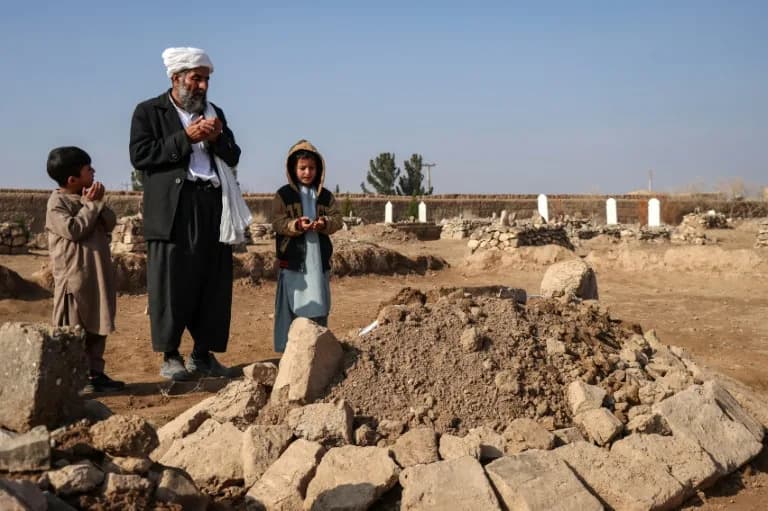
Rigsby’s sister, Dana Gossett, a gynecologist in New York, described him as brilliant but socially distant. The family received his remains in December. Gossett asked a funeral director to inspect the body for signs of violence but was advised not to view it because of poor embalming and decomposition. The family chose not to hold a public funeral; his ashes were returned to Durham by their father and interred locally.
“It was really sad to think about him dying alone in his apartment, sick, with no one to take care of him,” Gossett said. “But he also chose that.”
Rigsby never married and kept minimal ties to conventional family life. He told relatives he was taking testosterone blockers, believing they might prolong his life. He continued to file freedom‑of‑information requests, publish long investigative threads and press for practical solutions until the end.
His death has left unsettled questions. Afghan officials said there was no public evidence of foul play, and U.S. authorities did not publicly raise concerns; friends and colleagues remain divided between trust in the official account and suspicion given the hostility his investigations provoked. The portrait that emerges is of a solitary, driven man who chose a life of remote engagement and left behind unanswered questions about how that life ended.
Help us improve.