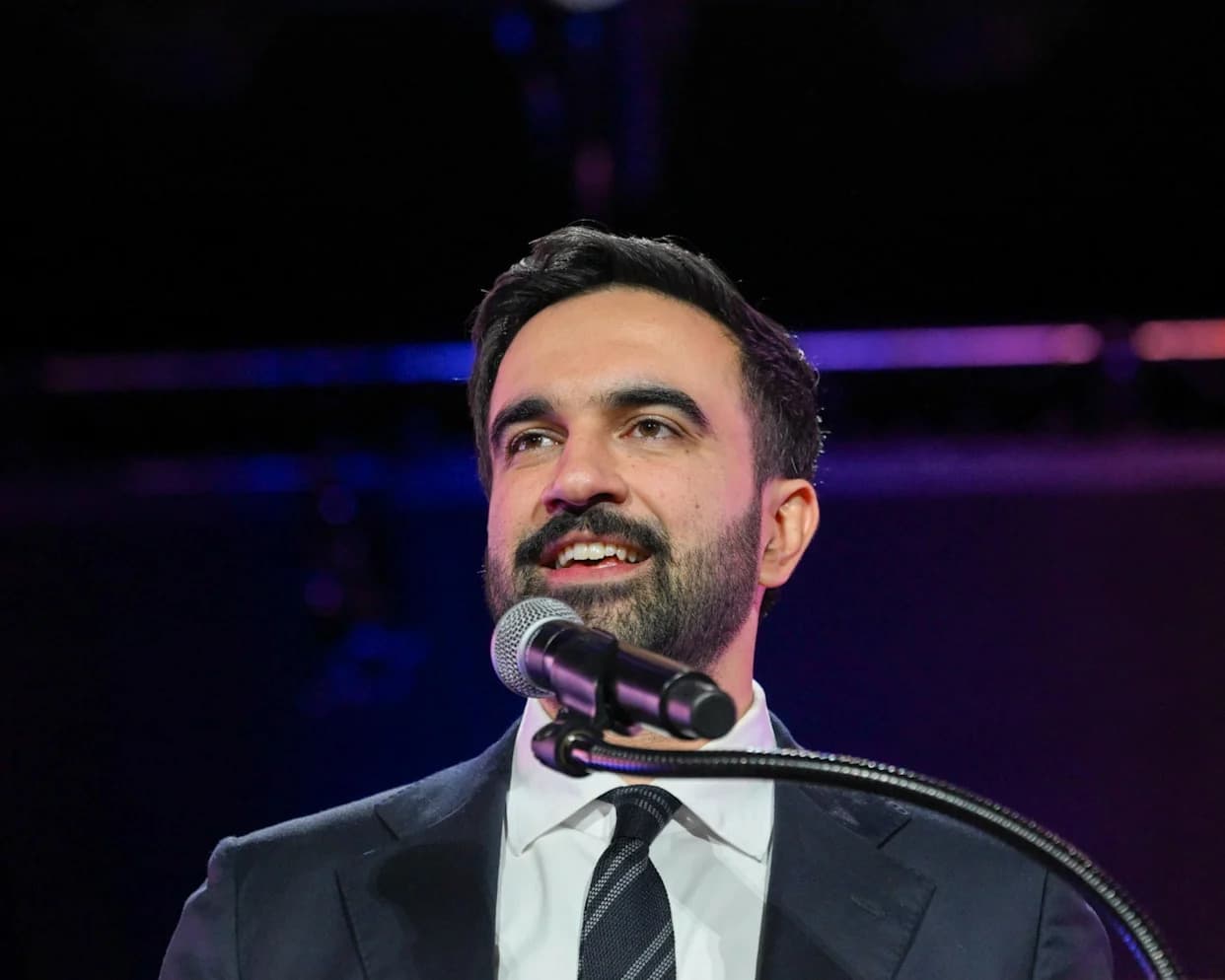
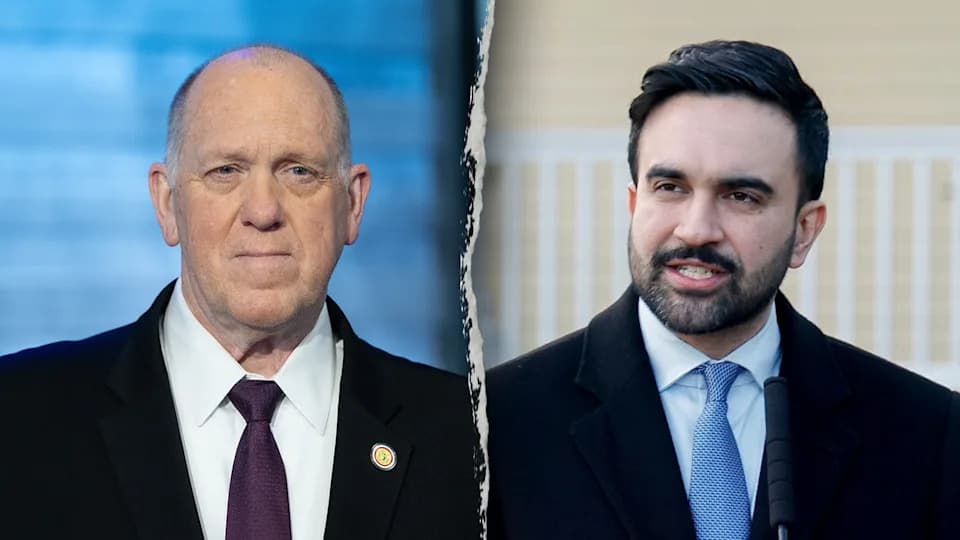
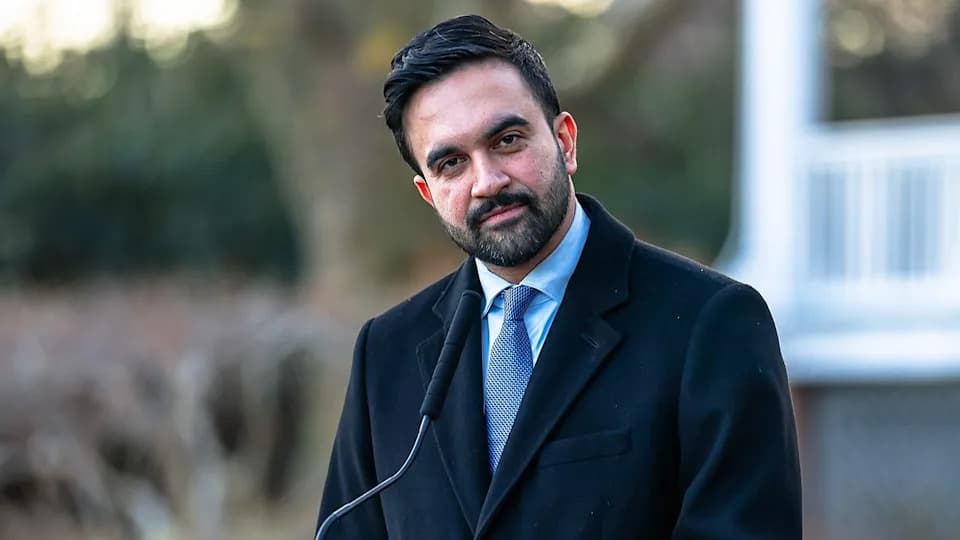
President Trump and New York Mayor-elect Zohran Mamdani traded praise after a White House meeting, marking a sharp shift from months of mutual insults. Over the past year Trump attacked Mamdani's appearance and labeled him a 'communist,' while Mamdani called Trump a 'despot' and pledged to 'Trump-proof' New York. The two now say they found common ground on affordability and city conditions and signaled a pragmatic willingness to cooperate.
From Barbs to Bargain: Trump and Mayor-elect Zohran Mamdani Pivot from Insults to Cooperation

President Donald Trump and New York Mayor-elect Zohran Mamdani left the White House on Friday exchanging unexpected compliments — a striking reversal after a year of sharp, public attacks between the two leaders.
A year of sharp exchanges
Over the past year both men traded barbs in public. Trump repeatedly attacked Mamdani's appearance and intelligence, at one point posting that 'he looks TERRIBLE, his voice is grating, he's not very smart' after Mamdani won the Democratic nomination. In late June and early July Trump escalated his rhetoric, saying 'Well, then we'll have to arrest him' in response to Mamdani's pledge to limit disguised federal immigration enforcement in the city, and calling him a 'communist' — a label Mamdani rejects, identifying instead as a democratic socialist.
From Trump: 'Look, we don't need a communist in this country, but if we have one, I'm going to be watching over them very carefully.'
Mamdani answered in kind, using strong language after his victory. In his Nov. 4 victory speech he called Trump a 'despot' and pledged to 'Trump-proof' New York to protect the city's most vulnerable from national policies he views as harmful.
From Mamdani: 'If anyone can show a nation betrayed by Donald Trump how to defeat him, it is the city that gave rise to him.'
The meeting and a new tone
Despite the heated rhetoric, Friday's Oval Office meeting produced a noticeably different tone. Both men emphasized practical priorities where they see overlap: affordability, public safety, and improving conditions in the city. Trump said he expected to be 'helping him, not hurting him — a big help,' and suggested that working together could soften past animosities.
Observers described the exchange as pragmatic: political opponents who had spent months trading personal attacks appear to be shifting toward cooperation on shared municipal issues. Whether the newfound civility endures will depend on how quickly both sides translate words into action on the priorities they identified.
What comes next
Both leaders signaled a willingness to work together, but important policy differences remain. Mamdani's commitment to protecting residents from federal immigration enforcement and his democratic socialist orientation contrast with Trump's priorities. The coming weeks will show whether the White House and New York's new mayor can move from a symbolic gesture of civility to productive policy collaboration.
Help us improve.