Bosnian Serb voters held a snap election in Republika Srpska after Milorad Dodik was removed from office following a conviction for defying the international High Representative. Dodik was sentenced to one year in prison and banned from public office for six years but paid a fine to avoid incarceration and remains leader of his party. The main race is between Dodik-backed Sinisa Karan and opposition candidate Branko Blanusa, with roughly 1.2 million eligible voters. The vote will test support for separatist policies amid fragile postwar arrangements set by the 1995 peace agreement.
Snap Election in Republika Srpska After Dodik’s Ouster Puts Separatism Back in Spotlight

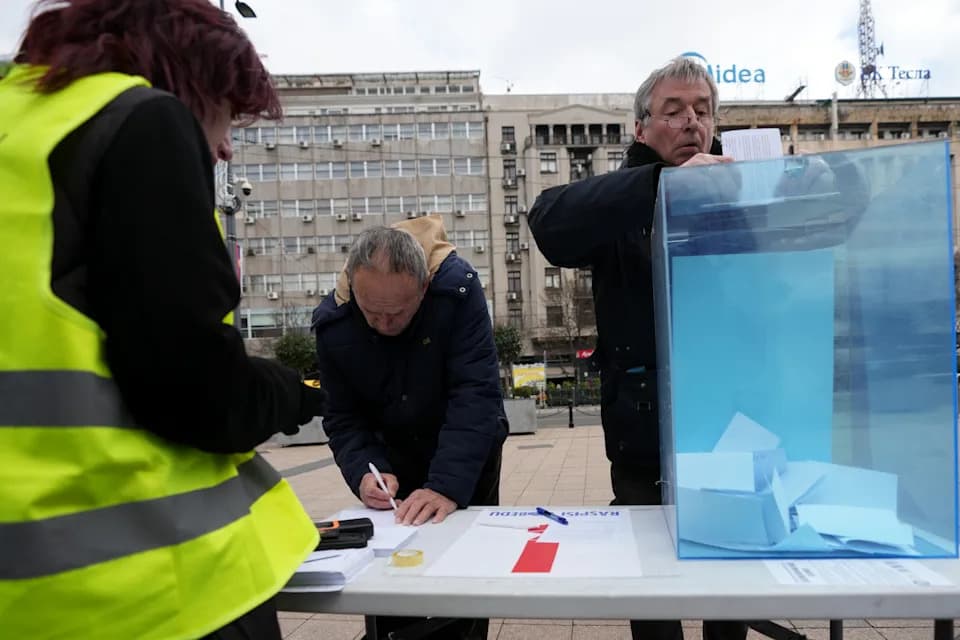
Voters in the Serb-administered half of Bosnia cast ballots in a snap election to choose a new president after Milorad Dodik was removed from office following a court conviction for defying the international High Representative. The vote in Republika Srpska comes amid renewed tensions over separatist rhetoric and the future of Bosnia’s delicate postwar power-sharing system.
Background
In August, a Bosnian court found Dodik guilty of disobeying orders from the international High Representative and sentenced him to one year in prison while imposing a six-year ban on holding public office. Dodik paid a fine to avoid jail and formally stepped aside as president, but he remains leader of the Party of Independent Social Democrats and continues to exert influence over the entity’s politics.
The office of the High Representative enforces the 1995 peace agreement that ended Bosnia’s 1992–95 war. Bosnia is divided into two main entities: Republika Srpska, administered by Bosnian Serbs, and the Federation of Bosnia and Herzegovina, jointly run by Bosniaks and Croats. The two entities are linked by a central government created under the peace accord.
Candidates and stakes
The main contest pits Sinisa Karan, backed by Dodik, against Branko Blanusa, a university professor running for the opposition Serb Democratic Party. Four other candidates appeared on the ballot but were not seen as major contenders. Around 1.2 million eligible voters in Republika Srpska were expected to participate.
Sinisa Karan: "Democratic elections are a way to strengthen our peace and stability and to reinforce the institutions of Republika Srpska and our entire republic."
Branko Blanusa after voting in Banja Luka: "The campaign was fair and tolerant. I hope election day will be the same," urging high turnout.
Broader implications
Dodik has long advocated eventual separation of Republika Srpska from Bosnia and has repeatedly clashed with Christian Schmidt, the international High Representative. His secessionist stance previously prompted U.S. and U.K. sanctions; U.S. sanctions were lifted last month after Dodik agreed to step down from the presidency.
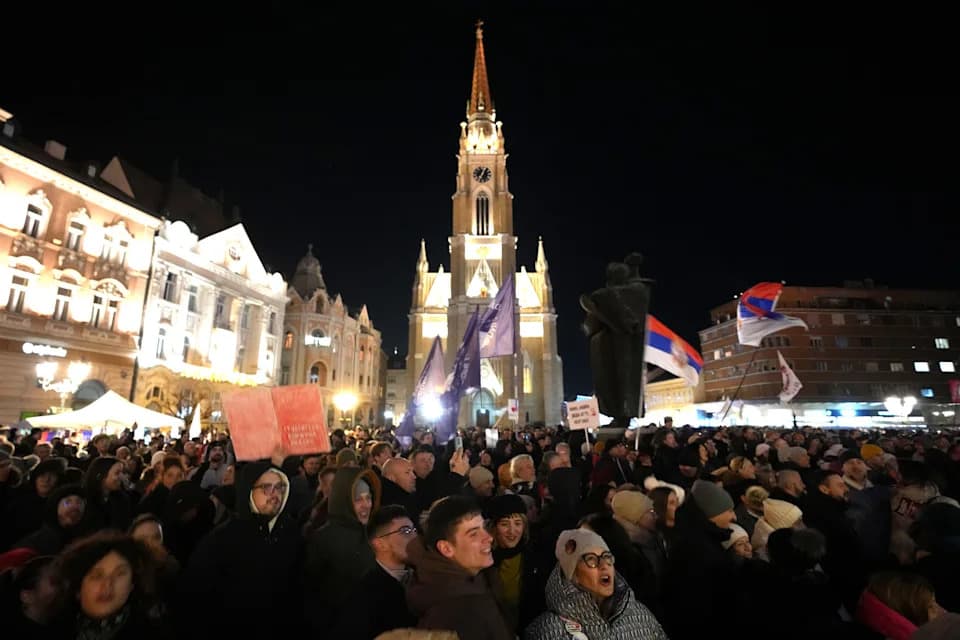
Observers say the snap vote will be closely watched at home and abroad as a barometer of support for Dodik’s agenda and as an indicator of whether Republika Srpska’s institutions will continue to press for greater autonomy or pursue more conciliatory, pragmatic governance within Bosnia’s state framework.
Help us improve.