Rep. Wesley Hunt says he will remain in the Texas Senate primary, rejecting GOP leaders' pleas to withdraw despite warnings that his candidacy increases the likelihood of a costly May 26 runoff. The three-way race with Sen. John Cornyn and AG Ken Paxton has already triggered heavy outside spending, and an endorsement from former President Donald Trump could be decisive. Party strategists worry a prolonged contest would divert resources from other battleground states and weaken the eventual nominee.
Wesley Hunt Vows to Stay in Texas Senate Race, Defying GOP Leaders and Raising Runoff Risks

Rep. Wesley Hunt said he will stay in the heated three-way Republican primary for the Texas Senate seat, rejecting pressure from national GOP leaders who warn his candidacy risks a costly runoff and could divert millions in resources away from other battleground races.
Hunt holds his ground
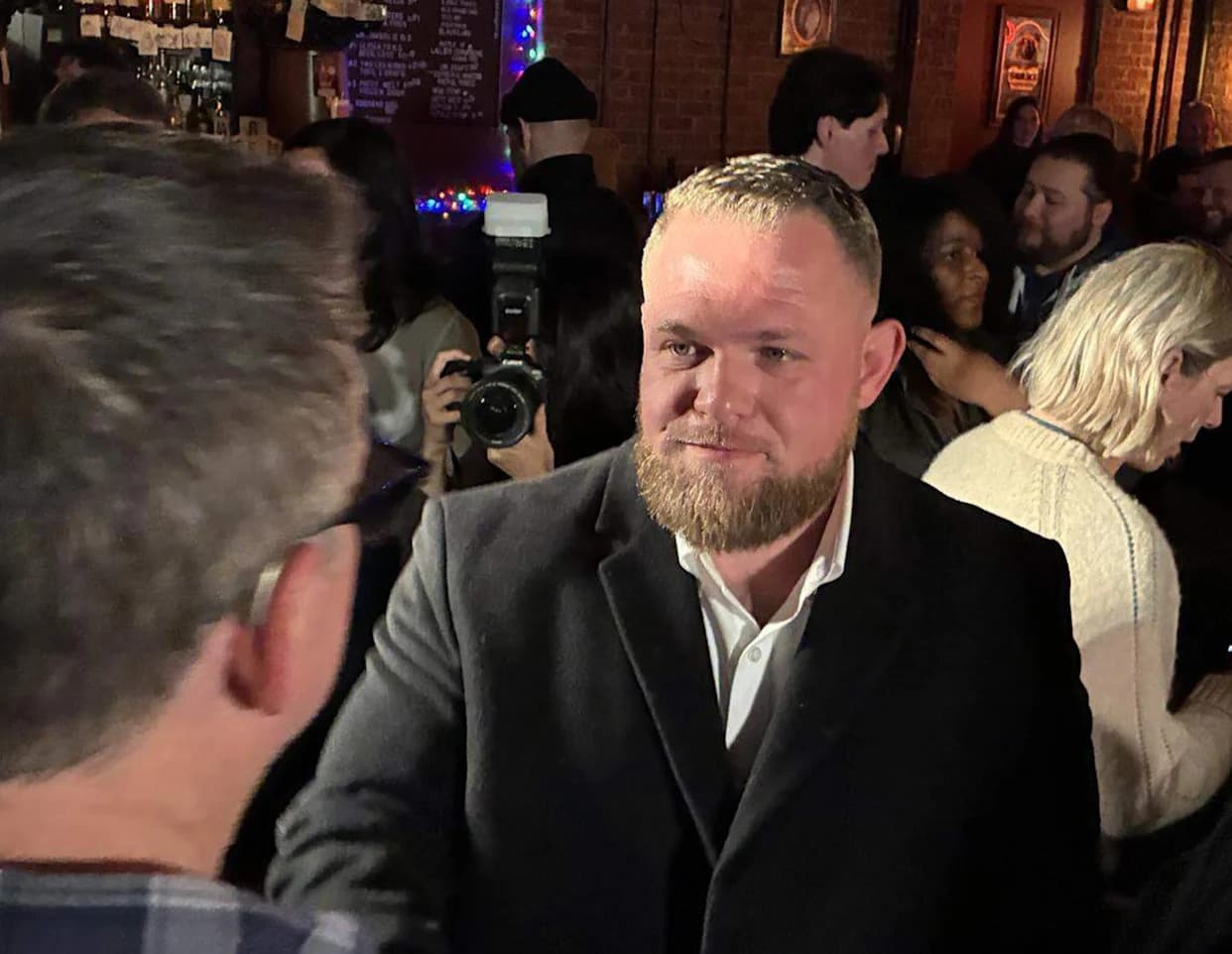
The 44-year-old combat veteran and two-term House member told reporters he plans to formally file for the Senate race this week and is "absolutely" remaining in the contest against longtime Sen. John Cornyn and Texas Attorney General Ken Paxton. Hunt framed his bid as an insurgent challenge to Cornyn, arguing Texas voters want an alternative to the 73-year-old incumbent.
"If Senate leadership does not like me being in this race, you know what I say? Good, because Senate leadership does not pick the leadership in Texas," Hunt said, adding that he is the only candidate who can win both the primary and the general election without costing "hundreds of millions of dollars."
Risk of a runoff and the money at stake
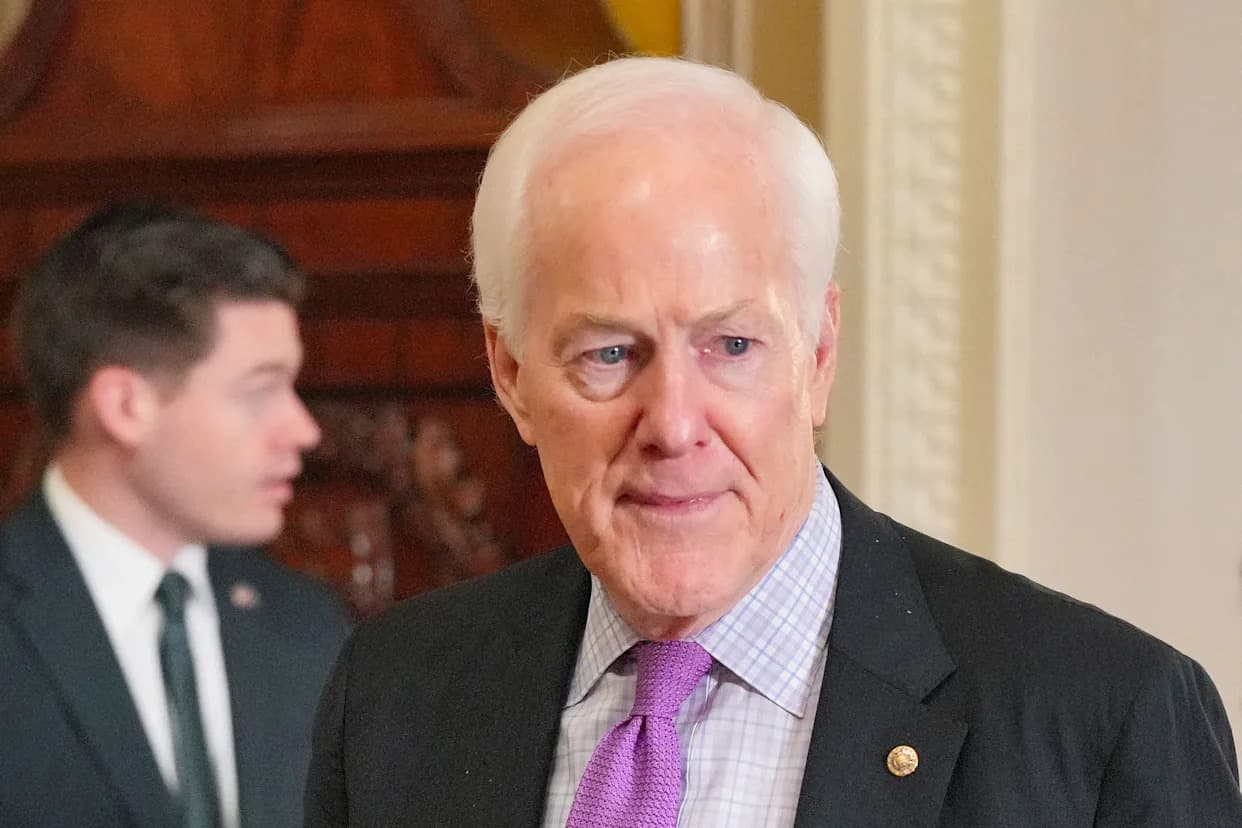
With a March 3 primary on the calendar, party strategists warn that no candidate is likely to secure an outright majority if all three remain, which would trigger a May 26 runoff and a second expensive campaign. Pro-Cornyn outside groups have already dominated ad spending, accounting for roughly $40 million of an estimated $52.5 million spent on the Republican primary to date. Fundraising filings through Sept. 30 show Cornyn raised about $3.5 million, Hunt about $2.3 million and Paxton roughly $1 million.
GOP leaders, including Senate insiders, say prolonged infighting and extra ad buys could drain resources that would otherwise support competitive races in places like North Carolina or Michigan — expenditures they argue could help determine control of the Senate.
Endorsement battle and Trump’s role
Both Hunt and Paxton have courted former President Donald Trump, whose endorsement could settle the contest quickly. Cornyn and senior Republican senators have lobbied Trump to back the incumbent, but multiple operatives say the former president has not yet committed and may wait until polling reveals a clear frontrunner.
All three campaigns claim regular contact with Trump’s advisers and have shared internal polling. Allies of Paxton believe a Trump endorsement of the attorney general would be decisive; Cornyn’s team counters that consolidation behind the senator could help the GOP avoid a damaging runoff and free up funds for other contests.
Personal attacks and campaign dynamics
The primary has seen increasingly sharp exchanges, primarily between Hunt and Cornyn, while Paxton has largely stayed on the sidelines. Cornyn has criticized Hunt for missed House votes, saying Hunt missed more than a quarter of votes this year. Hunt attributed some absences to family circumstances — including his newborn son’s NICU stay — and to work as a Trump surrogate during the 2024 campaign.
"I have survived combat. I flew 55 combat air missions in Baghdad. The end of my political career — I’m still alive and well," Hunt said in response to Cornyn’s warnings.
Hunt declined to attack Paxton’s personal life when asked about the attorney general’s controversies, saying he won’t wade into opponents’ private matters.
Outlook
The Texas GOP primary is now an unpredictable three-way contest with national implications: if the fight drags into a runoff, Republican leaders may be forced to commit large sums to a single Senate contest rather than dispersing funds to other competitive races. With Trump’s endorsement still unresolved and no obvious consensus among party leaders, the race could remain contested through the spring.
Help us improve.