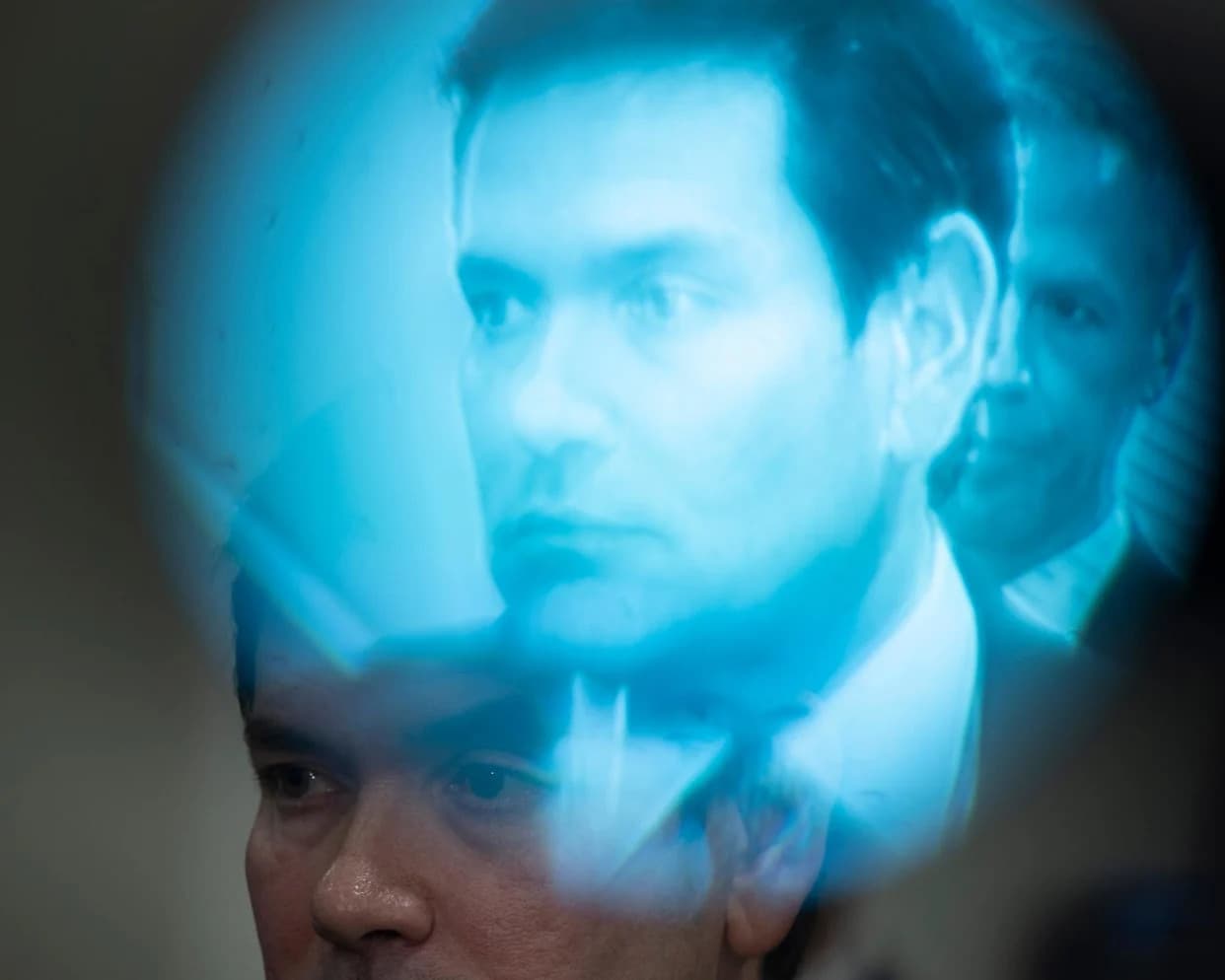
Overview: Senators at the Halifax International Security Forum said Senator Marco Rubio described the 28-point peace proposal President Trump is pressing Ukraine to accept as a Russian "wish list." Rubio and the State Department deny that account, asserting the U.S. authored the draft with input from Russia and Ukraine. Lawmakers warn the plan could reward aggression and weaken Ukraine's defense, even as Putin welcomed it and Zelenskyy offered cautious engagement.
Senators Say Rubio Called Trump’s 28-Point Ukraine Plan a Russian 'Wish List'; Rubio and State Dept. Reject Claim
Several U.S. senators at the Halifax International Security Forum said they spoke with Senator Marco Rubio, who allegedly described the 28-point peace proposal President Trump is urging Kyiv to accept as a Russian "wish list" rather than a U.S.-authored plan. Rubio and State Department officials denied that account, saying the draft was authored by the United States with input from both Russia and Ukraine.
What lawmakers say
Lawmakers from across the political spectrum expressed deep concern about the draft plan, saying it would reward Russian aggression and undermine Ukraine's ability to defend itself. Independent Sen. Angus King called the proposal "rewarding aggression," likening its potential consequences to historical acts of appeasement. Several senators said the plan concedes territory and other demands Kyiv has repeatedly rejected.
Sen. Jeanne Shaheen and others said they spoke directly with Rubio, who reportedly told them the proposal "was not the administration's plan" but a Russian "wish list." Republican Sen. Mike Rounds said Rubio indicated the United States had merely received the proposal through a representative and that "it is not our recommendation, it is not our peace plan." Rounds added that the draft "looked more like it was written in Russian to begin with."
Administration response
State Department spokesperson Tommy Pigott posted on social media that the senators' account was "blatantly false," writing that "this plan was authored by the United States, with input from both the Russians and Ukrainians." A senior U.S. official reiterated to reporters that the document was presented by the United States and described it as "a hopeful start to continued negotiations, and eventually the signing of a final peace agreement once and for all."
Reactions from Kyiv and Moscow
Russian President Vladimir Putin welcomed the proposal, saying it "could form the basis of a final peace settlement" if Ukraine and European partners agree. Ukrainian President Volodymyr Zelenskyy did not reject the plan outright but insisted on fair treatment and pledged to "work calmly" with Washington and other partners during what he called "truly one of the most difficult moments in our history."
Broader implications
The debate at Halifax underscored deep divisions in Washington over how to pursue a lasting peace and the risks of conceding to Moscow. Senators on the Foreign Relations Committee — including Jeanne Shaheen, Angus King, Thom Tillis, Peter Welch and Chris Coons — issued a joint statement warning against offering concessions that would "fatally degrade" Ukraine's ability to defend itself. Some Republican lawmakers, including Sen. Thom Tillis, also criticized what they saw as insufficient public rebukes of the proposal within GOP leadership.
The Halifax International Security Forum, now in its 17th year, convenes officials, scholars and defense experts to discuss global security issues. This year's forum drew heightened attention as lawmakers debated the proposed framework and its implications for allies and U.S. foreign policy.
As officials prepare further consultations in Geneva and elsewhere, the dispute over authorship and content of the 28-point draft highlights how diplomacy, domestic politics and strategic concerns are colliding over the future of the Russia-Ukraine conflict.
Help us improve.