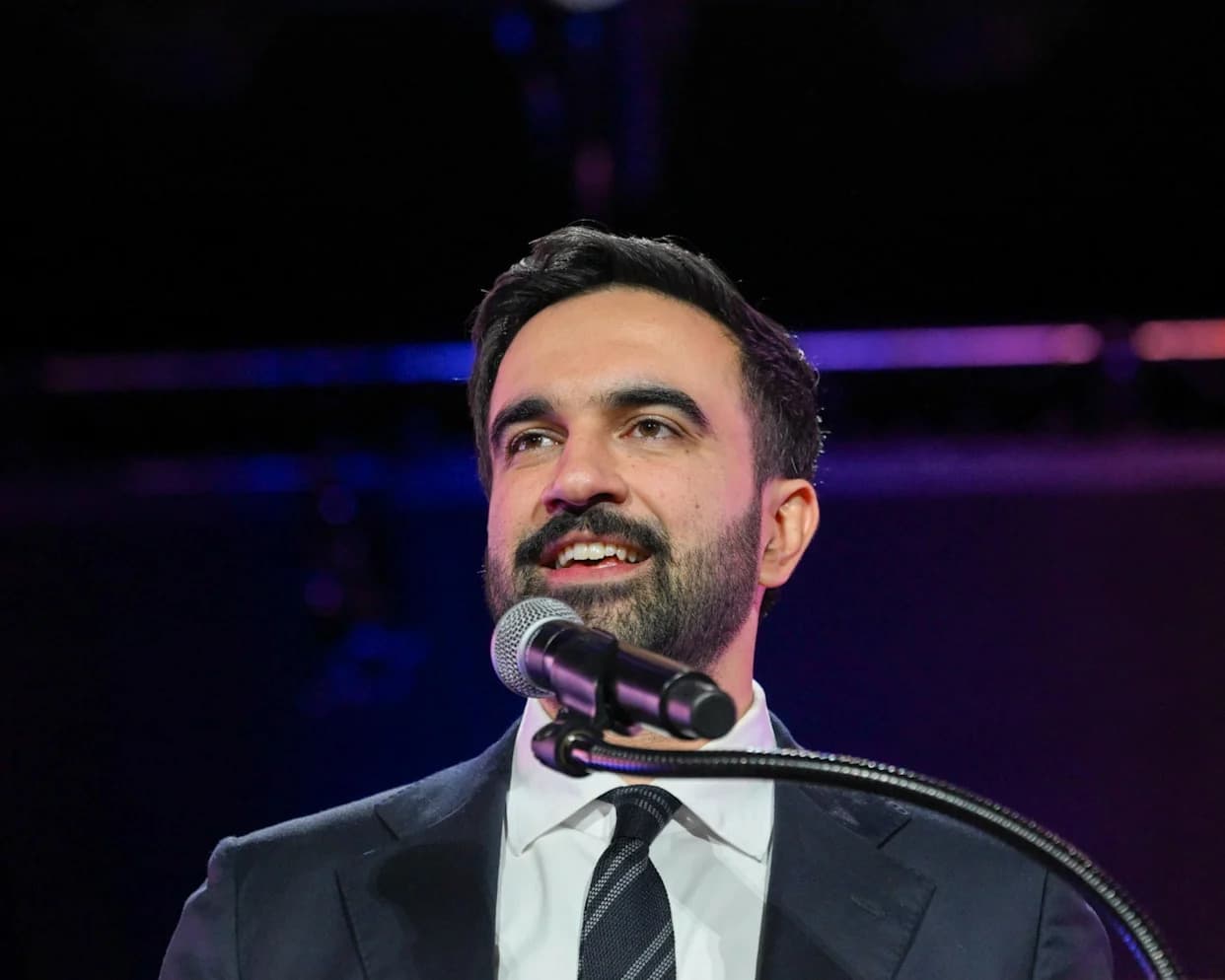
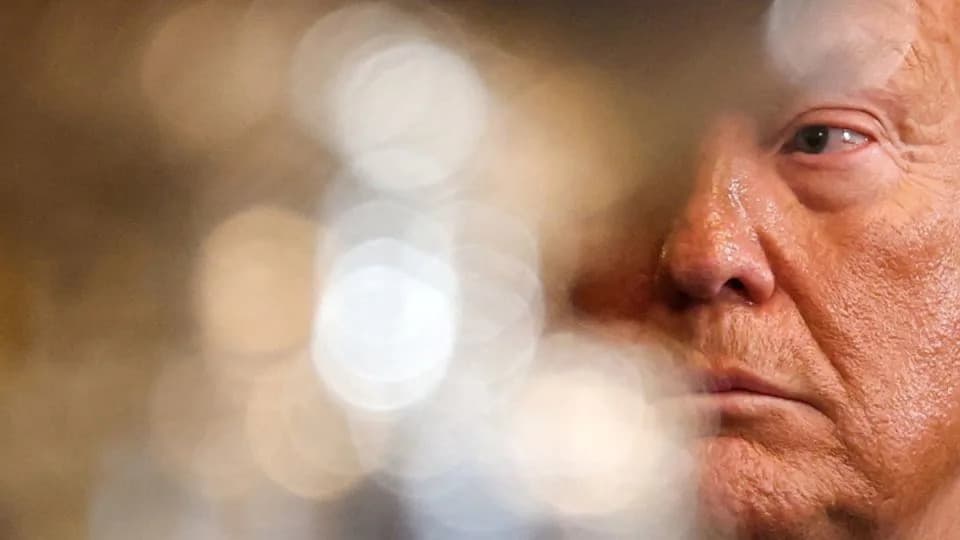
President Trump unexpectedly praised New York City mayor-elect Zohran Mamdani for proposals to make city life more affordable, drawing surprise from across the political spectrum. Political analysts Molly Jong-Fast and Cornell Belcher told Alex Witt the compliment may be strategic rather than sincere, possibly intended to distract from recent polls that show warning signs for Trump and some Republicans. The analysts warned that such gestures are often tactical messaging tools rather than indicators of lasting alignment.
'Game Recognizes Game': Why Trump's Warm Words for Zohran Mamdani May Be Strategic

President Trump surprised observers across the political spectrum when he publicly praised Zohran Mamdani, the self-described democratic socialist and newly elected mayor of New York City, for his proposals to make everyday life more affordable for residents. The unexpected compliment prompted debate about whether the praise reflected genuine agreement or a calculated political move.
Political commentators Molly Jong-Fast and Cornell Belcher, speaking with Alex Witt on a recent broadcast, suggested the latter: that Mr. Trump's flattering remarks could be aimed at reframing the narrative and diverting attention from recent polls that show troubling trends for him and other Republican figures. Rather than signaling an ideological shift, the analysts argued, the comment may be a tactical attempt to appear bipartisan and pragmatic at a time when public opinion is shifting.
Why this matters:
• Messaging and optics: Praising an opponent—or someone from a seemingly different political lane—can neutralize criticism, create headlines, and force opponents to respond on less familiar ground.
• Polling pressure: When internal or public polling shows slipping support, high-profile gestures can serve as short-term distractions while teams recalibrate strategy.
• Local vs. national politics: Endorsing policies aimed at local affordability allows a national figure to align with plainspoken issues voters care about, without committing to those policies personally.
Both Jong-Fast and Belcher emphasized that political theater and tactical complimenting are long-standing tools in public messaging. Whether Trump's praise will translate into any substantive political benefit remains uncertain; analysts urge watching subsequent actions and follow-up messaging to judge intent.
Bottom line: The exchange underscores how praise can be used as a strategic tool in modern politics. Observers should consider both the immediate optics and the longer-term patterns in messaging to understand whether a comment signals real alignment or simply a calculated maneuver.
Help us improve.