Wasim Said, 24, is writing Witness to the Hellfire of Genocide to document two years of conflict, repeated displacement and personal loss in Gaza. Working in a bare tent—often by candlelight—he names each chapter after a person, place or memory to prevent erasure. One section, "The Untold Stories," records people killed and buried without witnesses. Despite overwhelming devastation and reported mass casualties, Said continues to write to bear witness and preserve the truth.
Gaza Writer Chronicles 'Untold Stories' of War in Witness to the Hellfire of Genocide

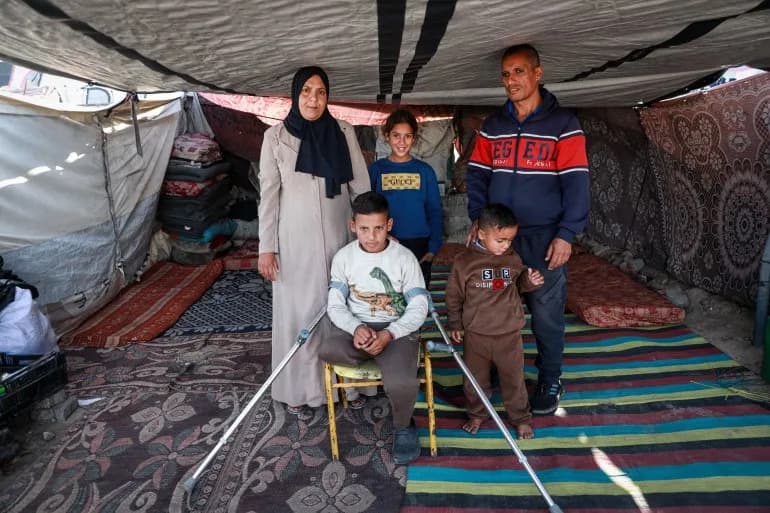
Wasim Said, a 24-year-old displaced Palestinian, is compiling a book titled Witness to the Hellfire of Genocide that records two years of war, repeated displacements and personal loss in Gaza. Writing mostly from a bare tent with little protection from searing summer heat, freezing winter cold and heavy rain, Said has made documenting human stories his priority.
The manuscript traces relentless bombardment, ground incursions, widespread destruction and severe shortages of food and essential services. Every chapter takes the name of a person, a place or a memory that Said refuses to let slip from public record.
“I don't need your sympathy. I need a conscience that hasn't rotted … a human that hasn't turned to stone. I need a reader who won't just close the book and sigh — then go to sip their coffee.”
Said says much of Gaza's infrastructure has been destroyed, leaving displaced communities without reliable electricity or internet. He describes writing many nights by candlelight, not for recognition but to channel grief and bear witness to what he calls atrocities.
What began as a personal account quickly expanded as he learned of others who suffered even worse fates: people killed and buried without anyone knowing their names or final moments. He titled that section of the book "The Untold Stories." For him, each page is a quiet act of resistance against erasure.
Faced with widespread devastation — including the reported deaths of nearly 70,000 Palestinians since October 2023 and vast damage to hospitals, schools and homes — Said says he has sometimes questioned the point of writing or living. Yet he holds to a hope that documenting these experiences matters.
“I wrote because I wanted to leave something behind — to be a witness, not just another martyr,” he says. “This is all I could write. The rest is being written now in blood. If I stay alive — I will finish the story.”
The manuscript aims to preserve individual memories so they are not lost amid the scale of the catastrophe: a record of ordinary lives and final moments that might otherwise vanish without trace.
Help us improve.