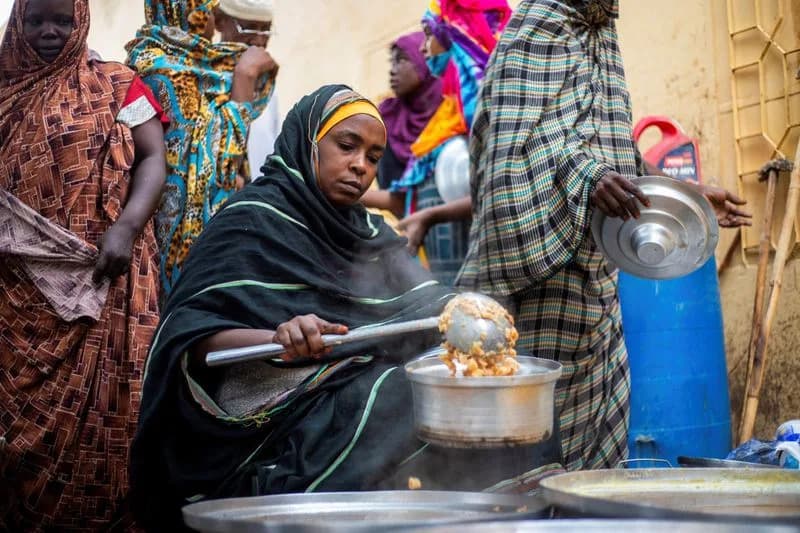
Key points: Twenty-three children in South Kordofan’s Kadugli and Dilling died of severe acute malnutrition between Oct. 20 and Nov. 20 amid sieges and supply shortages. Kadugli has been declared to be experiencing famine, and hundreds of thousands are already affected across Kordofan and western Darfur. Satellite analysis and aid reports also document alleged mass killings and body disposal practices in el-Fasher, intensifying calls for immediate humanitarian access and protection.
23 Children Die of Severe Malnutrition in Sudan’s Kordofan as Sieges Deepen Famine

Twenty-three children died from severe acute malnutrition between Oct. 20 and Nov. 20 in the besieged city of Kadugli and the nearby town of Dilling in South Kordofan, the Sudan Doctors Network reported. The fatalities underscore a rapidly deteriorating humanitarian situation as blockades and shortages prevent lifesaving food and medical supplies from reaching civilians.
Humanitarian impact
International food-security experts say the conflict has pushed parts of Kordofan and Darfur into famine. As of September, roughly 370,000 people in Kordofan and western Darfur were already facing famine conditions, with an additional 3.6 million one step away from famine, according to assessments by agencies that monitor hunger.
Blockades and the disruption of markets and health services have left hospitals and clinics unable to treat severe malnutrition and other urgent conditions. Local medical teams attribute the recent child deaths directly to a lack of therapeutic foods, medicines and safe access to care.
Conflict context
Sudan has been engulfed by fighting since April 2023 after a power struggle erupted between the national military and the paramilitary Rapid Support Forces (RSF). U.N. figures place the confirmed death toll at more than 40,000, and humanitarian agencies estimate the true toll and displacement numbers are likely higher. The public-health consequences include mass displacement, disease outbreaks and widespread food insecurity affecting millions.
Situation in Kadugli and Dilling
Kadugli, the capital of South Kordofan, was declared to be experiencing famine by the Integrated Food Security Phase Classification (IPC) earlier this month. The RSF has besieged Kadugli for months, trapping tens of thousands of people and preventing humanitarian access. Dilling faces comparable hunger and shortages, but the IPC has not formally declared famine there because of limited data.
Reported atrocities in el-Fasher
Fighting has also intensified in Darfur’s el-Fasher after the RSF displaced government forces. Aid groups and health agencies report mass civilian casualties during the takeover. The World Health Organization has reported hundreds killed at the Saudi Hospital site, and displaced residents and aid workers have described house-to-house killings and sexual violence.
Satellite imagery analysis by the Humanitarian Research Lab at Yale School of Public Health indicates apparent efforts to dispose of bodies at locations including the Saudi Hospital grounds and a compound in the Daraja Oula neighborhood. The lab warned that signs of immolation, the absence of normal burial practices and inactive markets raise grave concerns about the presence and survival prospects of any civilians remaining in the city.
Urgent needs
Humanitarian organizations and local health monitors are calling for immediate, unimpeded access to deliver food, therapeutic nutrition, medical supplies and safe evacuation routes for the sick and injured. Without rapid and sustained assistance, malnutrition-related deaths are likely to continue to rise.
“These child deaths are a direct result of severe acute malnutrition compounded by shortages of essential supplies and restricted humanitarian access,” the Sudan Doctors Network said.
Humanitarian responders emphasize the need for secure corridors, predictable deliveries of therapeutic foods and medical equipment, and protection for civilians to prevent further loss of life.
Help us improve.