Zohran Mamdani will meet President Trump at the White House as Republicans aim to elevate him nationally. Recent Marquette and Reuters-Ipsos polls show a modest net-negative rating (roughly 36–38% unfavorable vs. 29–33% favorable), but his numbers compare favorably with several high-profile figures. Mamdani polls relatively well with independents and draws support for his affordability-focused message, while Republicans and older voters show the strongest opposition. That polarization makes him a useful GOP foil but also limits the effectiveness of attacks tied to cost-of-living concerns.
Zohran Mamdani Meets Trump: Polls Show Modest Unfavorability but Strong GOP and Senior Opposition

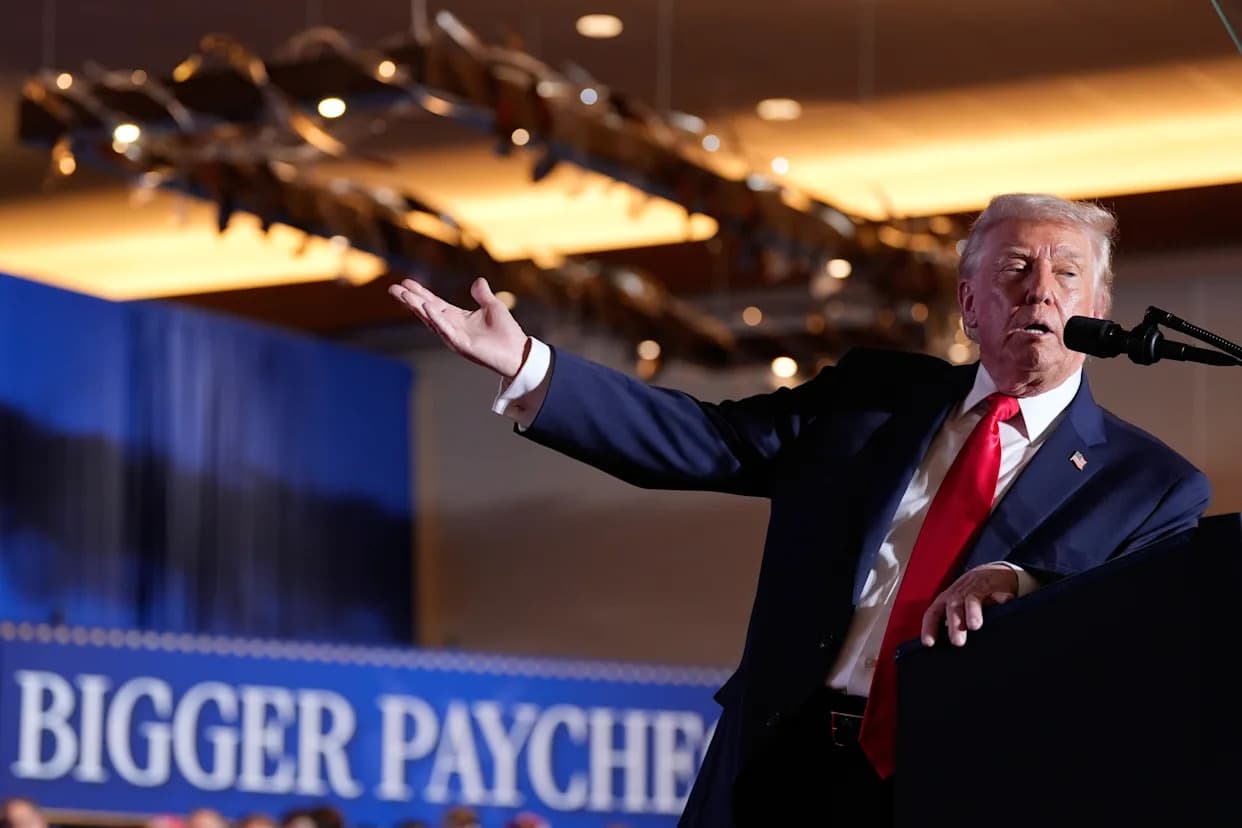
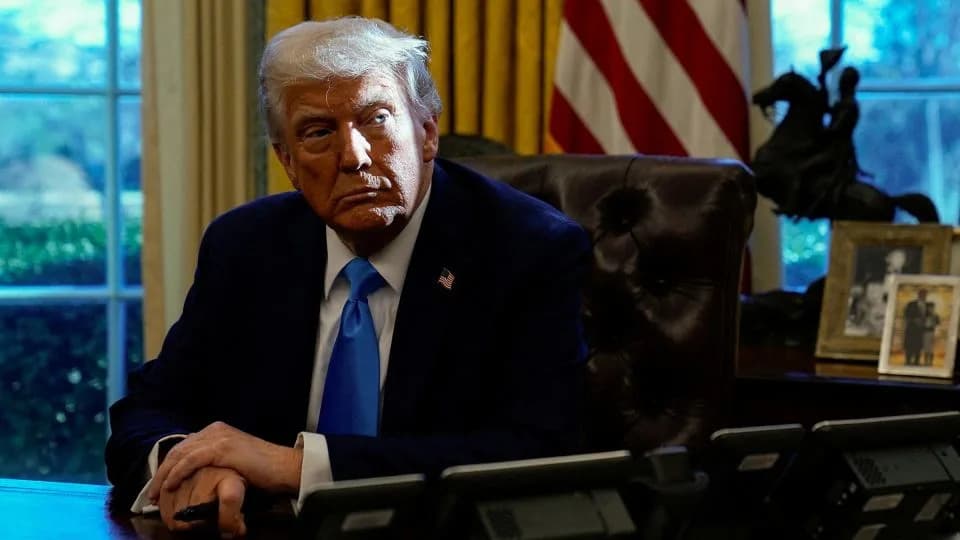
President Donald Trump is scheduled to meet New York City mayor-elect Zohran Mamdani at the White House on Friday at 3 p.m. ET. Republicans have signaled an intent to elevate Mamdani as a national target, and the meeting offers an opportunity for political theater — but recent polling suggests the payoff may be mixed.
What the polls say
Two national surveys taken after Mamdani’s election show a modest net-negative view of him. A Marquette University Law School poll found a 38% unfavorable versus 29% favorable rating, while a Reuters-Ipsos survey reported a roughly 36% unfavorable to 33% favorable split. Those results are negative but far from making him a political pariah.
Comparisons and independent voters
Relative to several high-profile national figures, Mamdani’s early numbers are comparatively resilient. Other prominent politicians register larger net negatives in these same surveys. Among independents, Mamdani fares reasonably well: Marquette reports independents disliking him 35%–25%, and Reuters-Ipsos found a 30% favorable score among independents — slightly higher than one leading national figure in that poll — despite Mamdani’s lower name recognition.
Why he resonates
Mamdani’s appeal appears to rest on a simple, persistent message: affordability. He campaigned on cost-of-living concerns such as rent, transit fares and access to basic goods, and that focus seems to have helped him overcome attempts to label him an extremist. White House political adviser James Blair noted that Mamdani’s focus on affordability was central to his success.
Who dislikes him — and why that matters
The strongest opposition comes from Republicans and older voters. In the Marquette poll, 56% of Republicans rated Mamdani "very unfavorably," while only about 30% of Democrats rated him "very favorably." Among voters aged 60 and older, respondents were roughly four times more likely to view him very negatively than very positively; the 45–59 cohort showed about a 3-to-1 negative-to-positive ratio. These patterns indicate intense negative passion in key GOP constituencies.
Political implications
The negative polarization makes Mamdani a potentially useful foil for Republican messaging: he animates opposition among core GOP and older voters. But his clear strength on affordability — an issue where Republicans are vulnerable according to these polls — may blunt attacks and limit how effectively opponents can nationalize him as a simple boogeyman.
In short, Mamdani’s early national profile is mixed: modestly unpopular in broad terms, but stronger with independents and voters concerned about cost-of-living issues. That combination makes him both a target and, in some ways, a complicated one.
Help us improve.