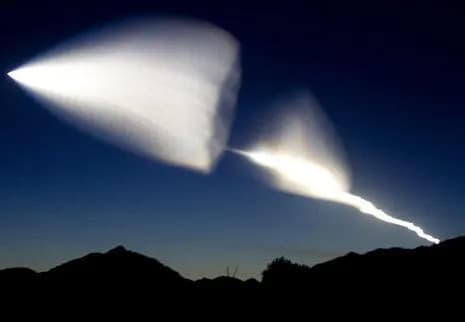
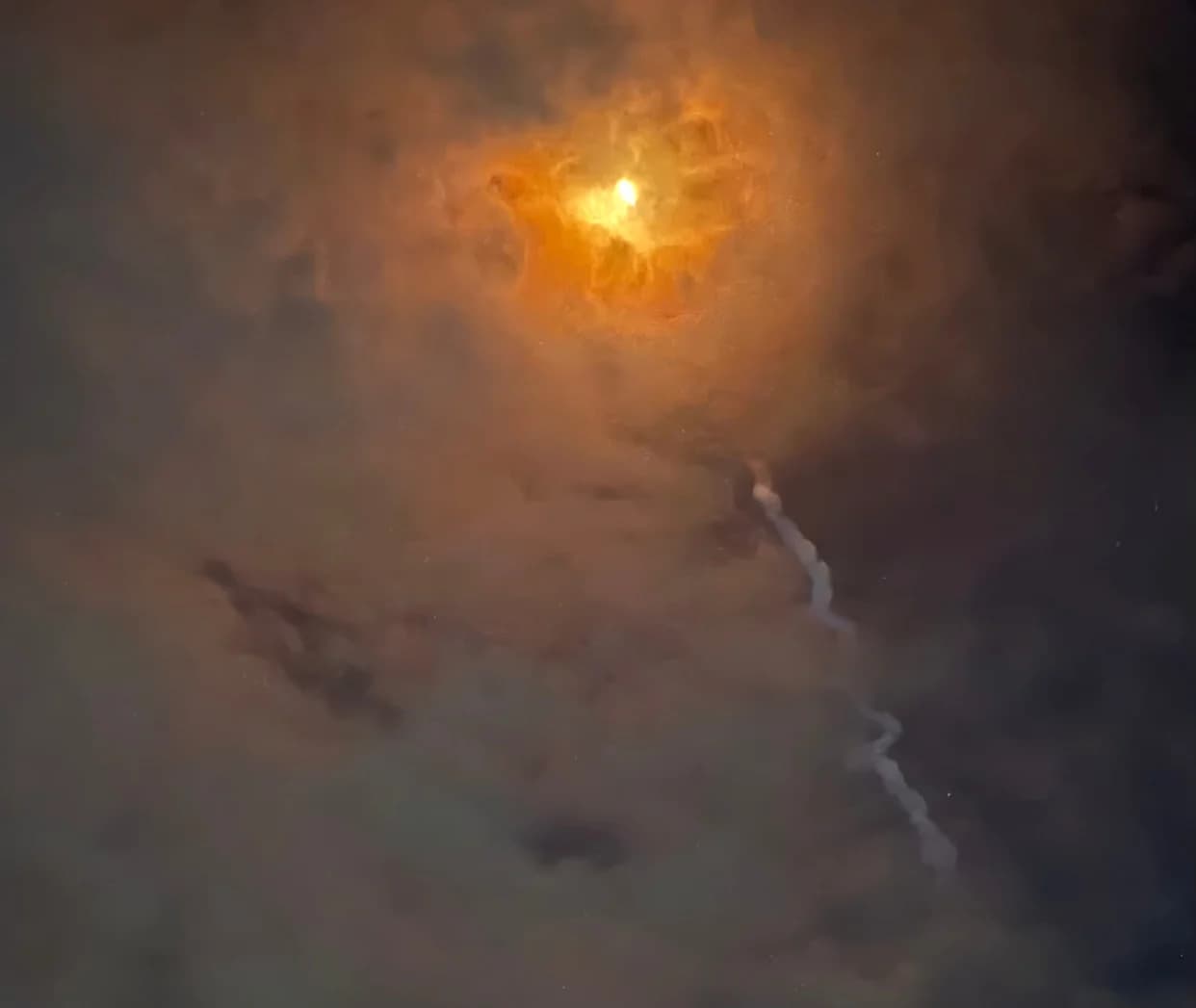
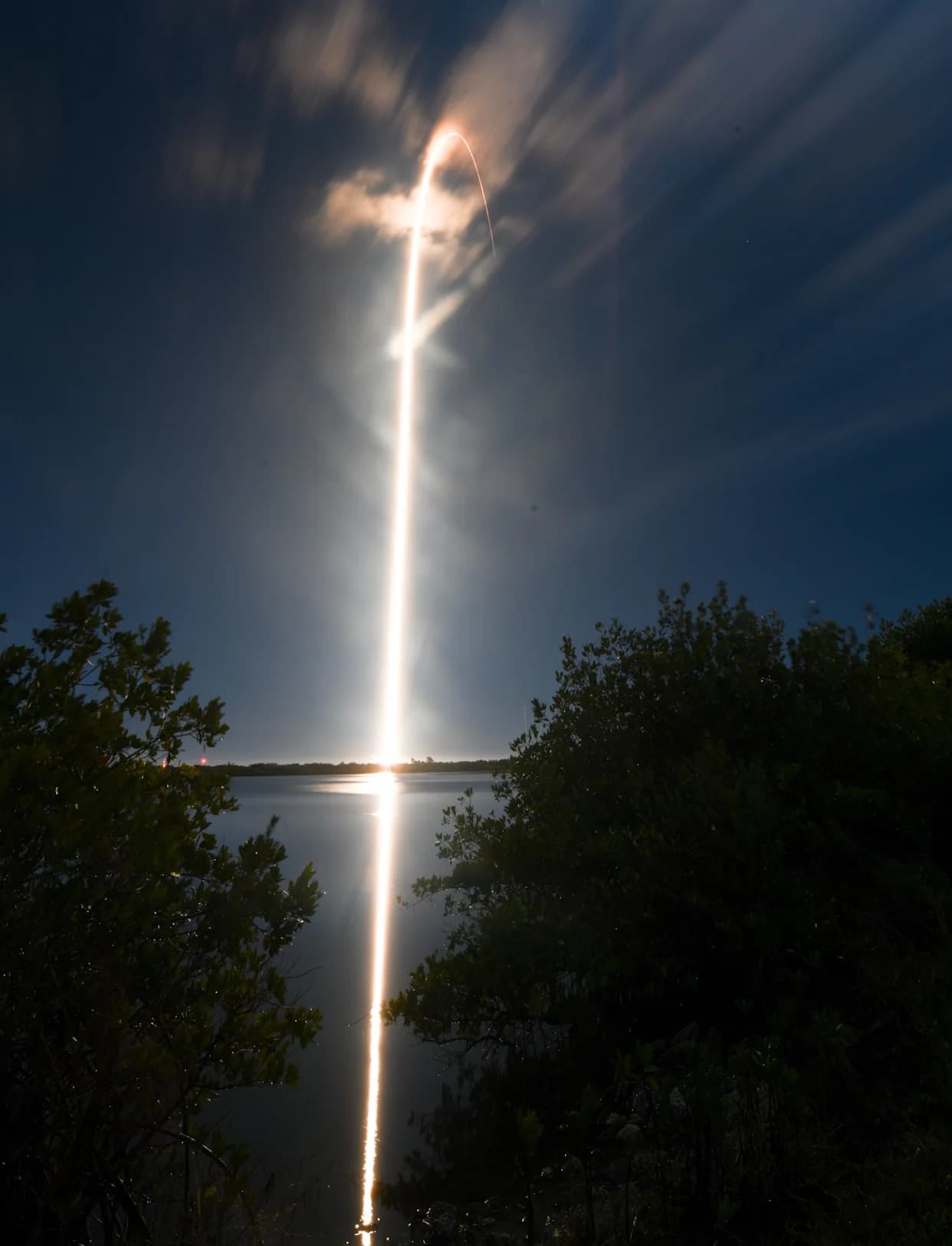
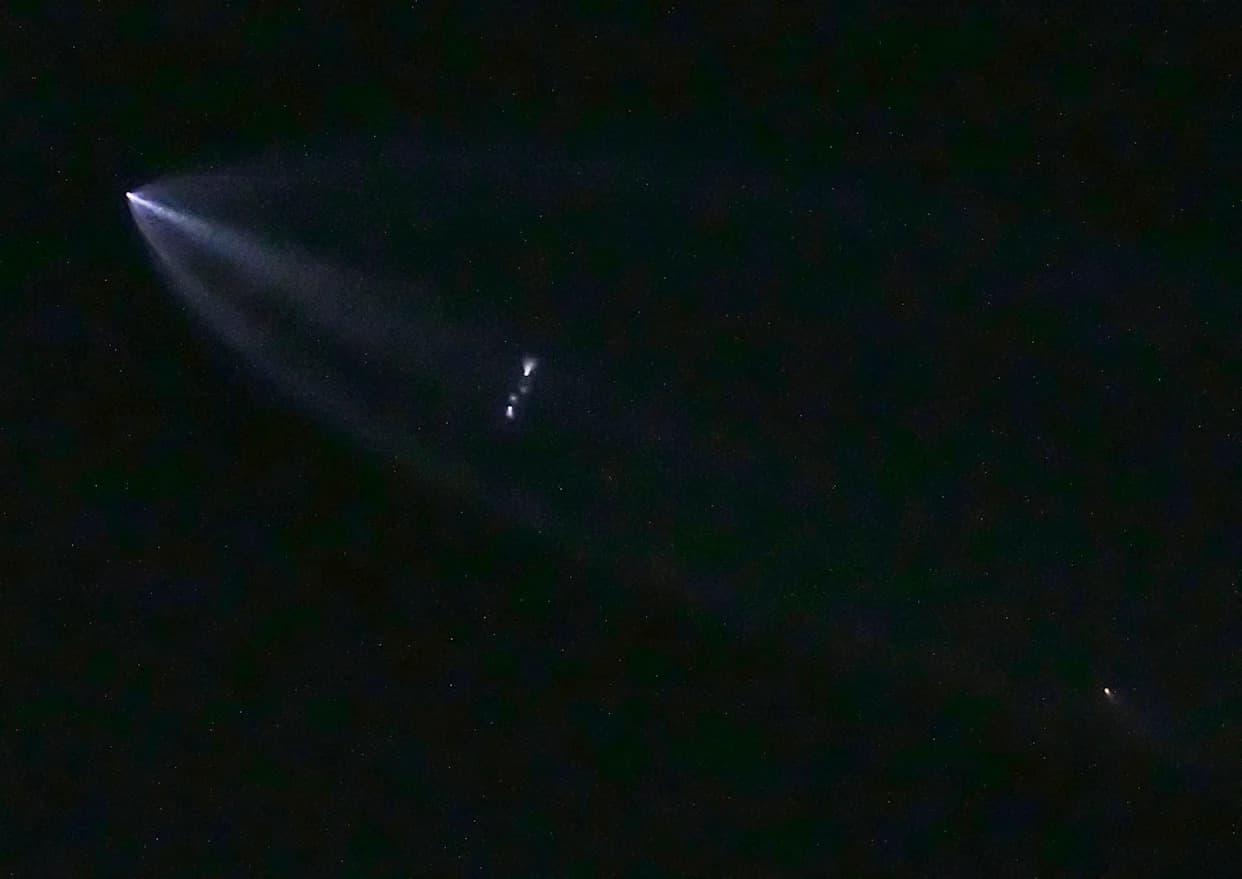
What to know: SpaceX is targeting Sunday, Nov. 23, with a midnight PT launch window from Vandenberg Space Force Base. The 230-foot Falcon 9 will carry 28 Starlink satellites on a southeast trajectory that could make the launch visible across much of Arizona. Popular viewing spots include mountain lookouts and regional parks — check official updates for delays and arrive early for the best view.
How to See SpaceX’s Falcon 9 Launch from Arizona — When, Where and How

Arizonans have a strong chance of spotting a SpaceX Falcon 9 launch from neighboring California if they stay up late. SpaceX is targeting Sunday, Nov. 23, for a launch from Vandenberg Space Force Base, with a four-hour window that opens at midnight Pacific Time and a possible backup opportunity the following day if the mission is postponed.
The liftoff will occur from Space Launch Complex 4E at Vandenberg. Flying on a southeast trajectory, the 230-foot, two-stage Falcon 9 is scheduled to carry 28 Starlink internet satellites into low-Earth orbit — a path and timing that often makes these launches visible across much of Arizona, especially during night or predawn hours.
Launch details
Date & time: Targeting Sunday, Nov. 23. Four-hour window opens at midnight PT. A backup opportunity is listed in the FAA operations advisory if the mission is delayed.
Launch site: Space Launch Complex 4E, Vandenberg Space Force Base (Santa Barbara County, California).
Vehicle & payload: 230-foot Falcon 9 carrying 28 Starlink satellites to low-Earth orbit (LEO).
Where to watch in Arizona
Because the flight will travel southeast from Vandenberg, many elevated and low-light locations across Arizona are good vantage points. Popular spots include:
- Phoenix-area: Dobbins Lookout (South Mountain, 10919 S. Central Ave.), Papago Park (625 N. Galvin Parkway), and the Phoenix Sky Harbor parking garage (popular for plane and launch viewing).
- East Valley & mountain parks: Fountain Hills (a designated Dark Sky Community), Superstition Mountains (about 40 miles from metro Phoenix), Cave Creek, and San Tan Mountain Regional Park (Queen Creek).
- West Valley & regional: Estrella Mountain Regional Park (Goodyear), Skyline Regional Park (Buckeye), White Tank Mountains (Waddell), Monument Hill, Casa Grande, Avondale, Queen Creek, and Black Canyon City.
- Tip: In general, any mountain park or dark-sky area increases your odds of seeing the rocket’s ascent and the illuminated satellite train that follows.
Viewing tips
- Check official updates before heading out — launches are commonly delayed by weather or technical issues.
- Bring binoculars or a small telescope for a better view; a camera with a tripod helps capture the event.
- Arrive early to find parking and a clear sightline; avoid bright lights and look southeast toward the California coast.
- Dress for the temperature and observe local park rules.
About SpaceX and Starlink
SpaceX, founded by Elon Musk in 2002, operates from multiple launch sites including Vandenberg and Florida. Its Starlink constellation — now numbering thousands of satellites — provides low-latency internet from low-Earth orbit, improving service for streaming, gaming and connectivity in rural or hard-to-reach areas.
SpaceX also conducts crewed and private missions using the Dragon spacecraft and is testing the larger Starship vehicle at its Starbase facility in South Texas.
If you plan to watch the launch, monitor local news and SpaceX updates for schedule changes and safety notices.
By Eric Lagatta
Help us improve.