Army Secretary Dan Driscoll traveled to Kyiv to present the administration’s latest peace plan, meeting with President Zelenskyy and planning consultations with NATO partners. His high-profile diplomatic role highlights a surge in trust from the White House and a broader portfolio that includes acting ATF leadership and National Guard oversight. The trip mixes battlefield innovation—especially on drone tech—with diplomacy; officials say Driscoll aims to make incremental progress rather than complete a final deal during the three-day visit.
Driscoll’s Rise: Army Secretary Steps Into High-Stakes Diplomacy as Hegseth Remains in Washington

Army Secretary Dan Driscoll traveled to Kyiv this week to present the Trump administration’s latest peace plan, taking on an unusually prominent diplomatic role that contrasted sharply with Defense Secretary Pete Hegseth’s Washington-based schedule. Driscoll met with Ukrainian President Volodymyr Zelenskyy and planned follow-up consultations with NATO allies as the administration presses for incremental progress toward a negotiated settlement.
A close friend of Vice President JD Vance and a former cavalry scout platoon leader deployed to Iraq, Driscoll has moved beyond the day-to-day bureaucratic responsibilities of his office to serve as a visible advocate for the administration’s more ambitious initiatives. Colleagues describe him as tech-forward—President Trump has nicknamed him the administration’s "drone guy"—and increasingly trusted to carry sensitive messages to foreign partners.
Why Driscoll's trip matters
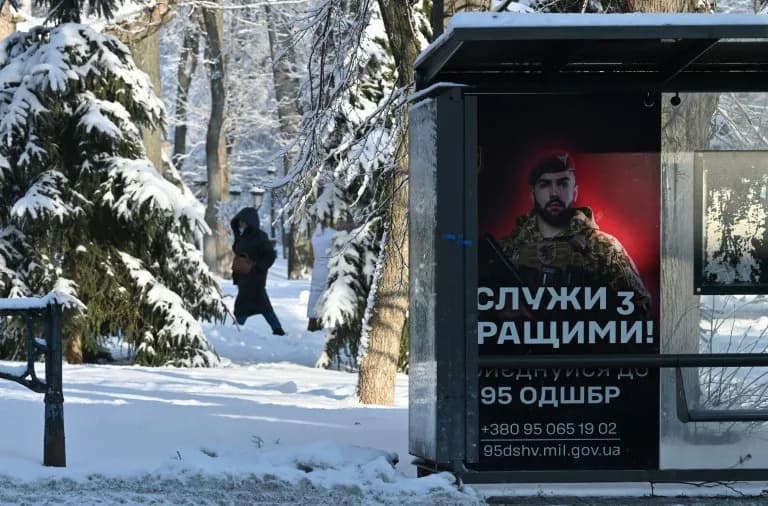
On the itinerary: an hour-long meeting with President Zelenskyy at Mariyinsky Palace, a reception at the U.S. ambassador’s residence in Kyiv, planned talks with NATO officials in Europe, and efforts to secure a meeting with Russian Defense Minister Andrey Belousov. Officials say Driscoll’s mission blends battlefield innovation—particularly on advanced Ukrainian drone technologies—with traditional diplomacy, aiming to "move the ball" rather than close a final agreement during the three-day visit.
Driscoll’s portfolio has broadened significantly since his confirmation. In addition to overseeing the Army’s budget and personnel—more than one million soldiers across active duty, the National Guard and reserves, and over 330,000 civilian employees—he is serving as acting head of the Bureau of Alcohol, Tobacco, Firearms and Explosives and has been the administration’s point person on National Guard deployments to the U.S. border and to domestic cities.
Contrast with the Pentagon chief
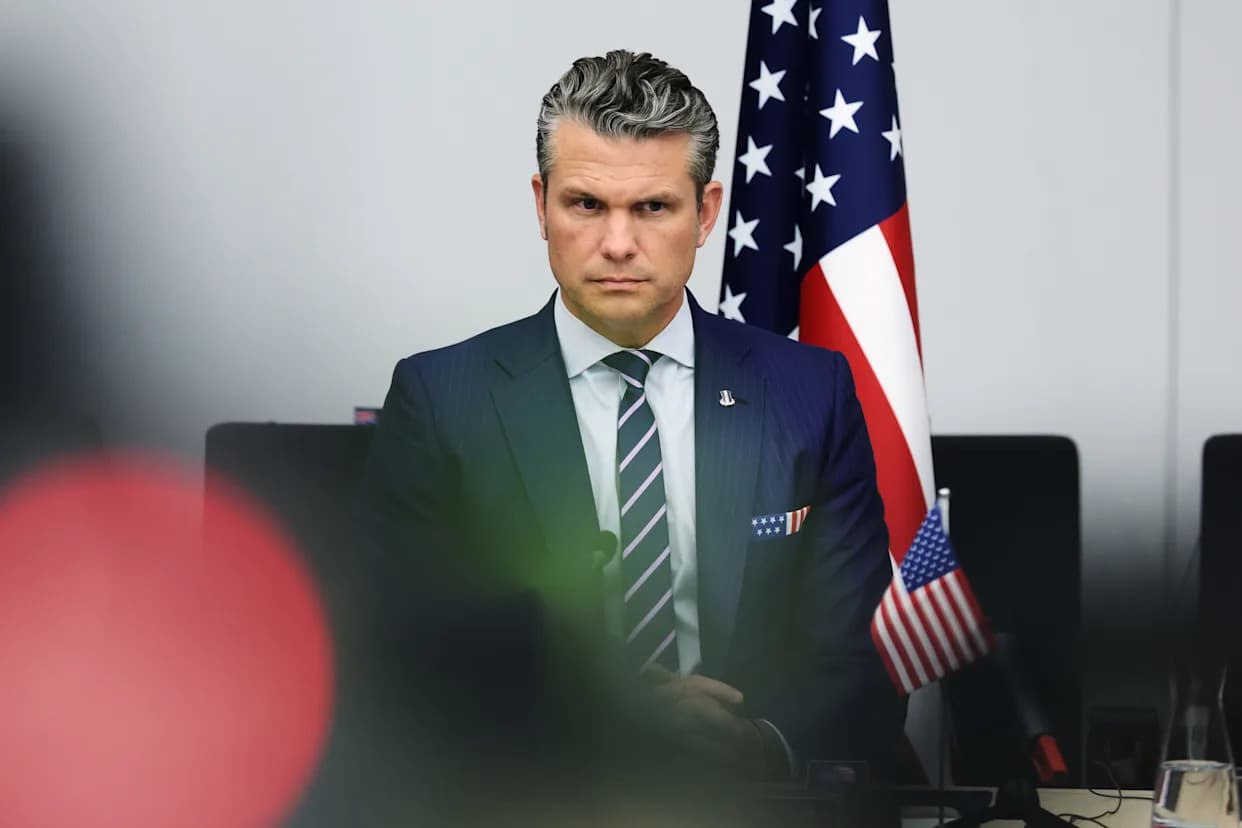
The contrast between Driscoll and Hegseth this week underscored different roles and perceptions inside the administration. Hegseth, who has concentrated on acquisition reform, troop fitness and internal Pentagon priorities, remained in Washington. His tenure has been marked by controversies and friction with some White House officials over personnel decisions—most notably the selection of his chief of staff—which sources say has affected the level of trust placed in him for high-profile diplomatic tasks.
"There is more trust in Dan to deliver these messages right now," said a person familiar with administration dynamics.
White House officials publicly disputed that there is tension between the West Wing and Hegseth. A White House spokesperson praised both secretaries, calling Driscoll "widely respected" and Hegseth "a strong leader of the Pentagon."
Background and trajectory
Driscoll and Vice President Vance are longtime friends from Yale Law School. After military service that included a deployment to Iraq with the 10th Mountain Division, Driscoll worked in investment banking in North Carolina before entering government. Sources close to the White House say his rapid rise reflects both his relationship ties and demonstrated effectiveness in the role.
Officials characterized last week’s White House meeting—where President Trump authorized expanded diplomatic responsibilities for Driscoll—as a turning point that elevated the Kyiv mission from a technology-focused visit to a broader diplomatic push. A defense official described Driscoll’s engagements as "equal parts" battlefield innovation and diplomacy.
While Driscoll’s expanded role may continue, administration officials framed expectations narrowly: the goal is to advance pieces of a larger plan, test receptivity among allies and adversaries, and lay groundwork for future negotiations rather than to deliver a fully negotiated peace on this trip.
Dasha Burns contributed to this report.
Help us improve.