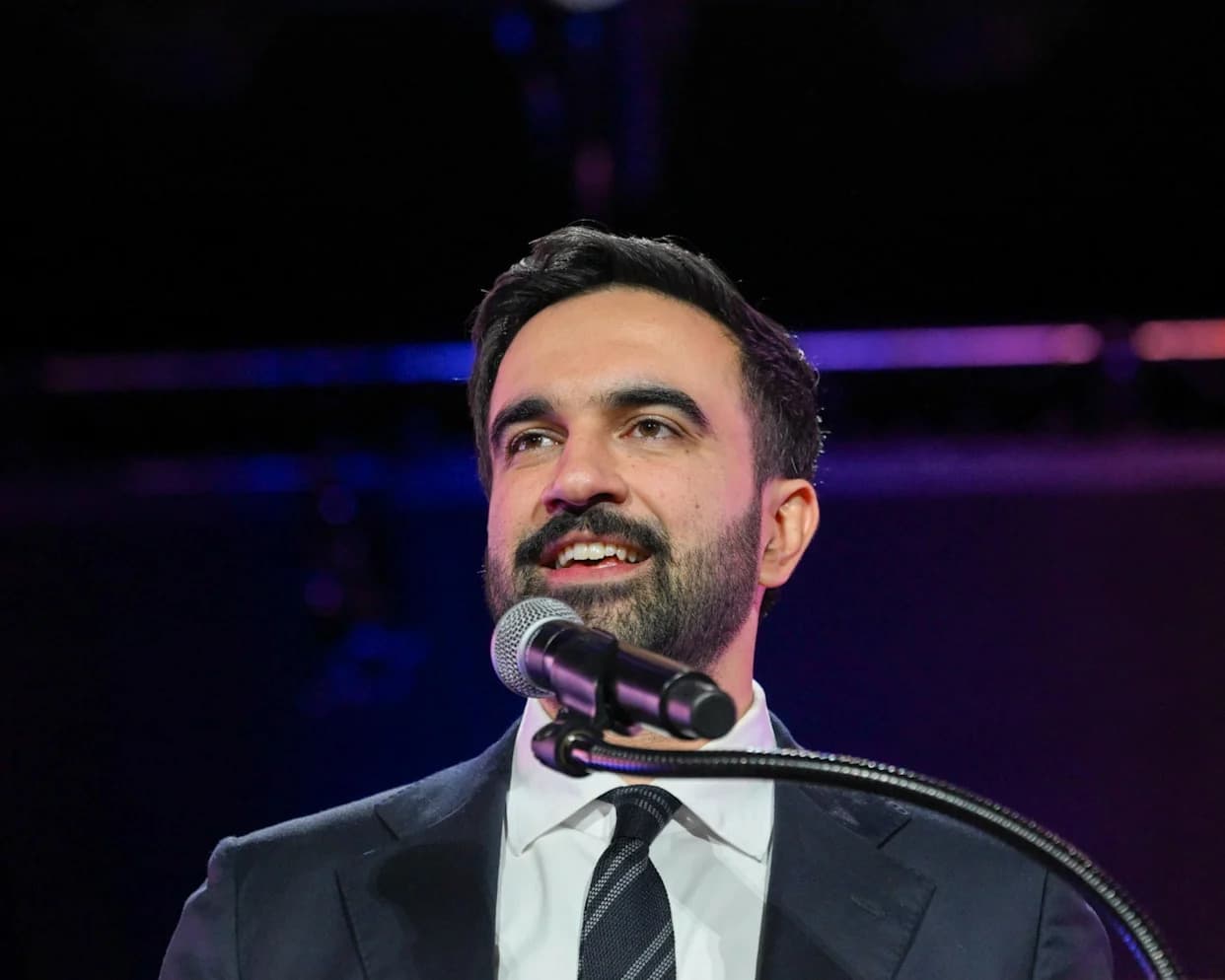
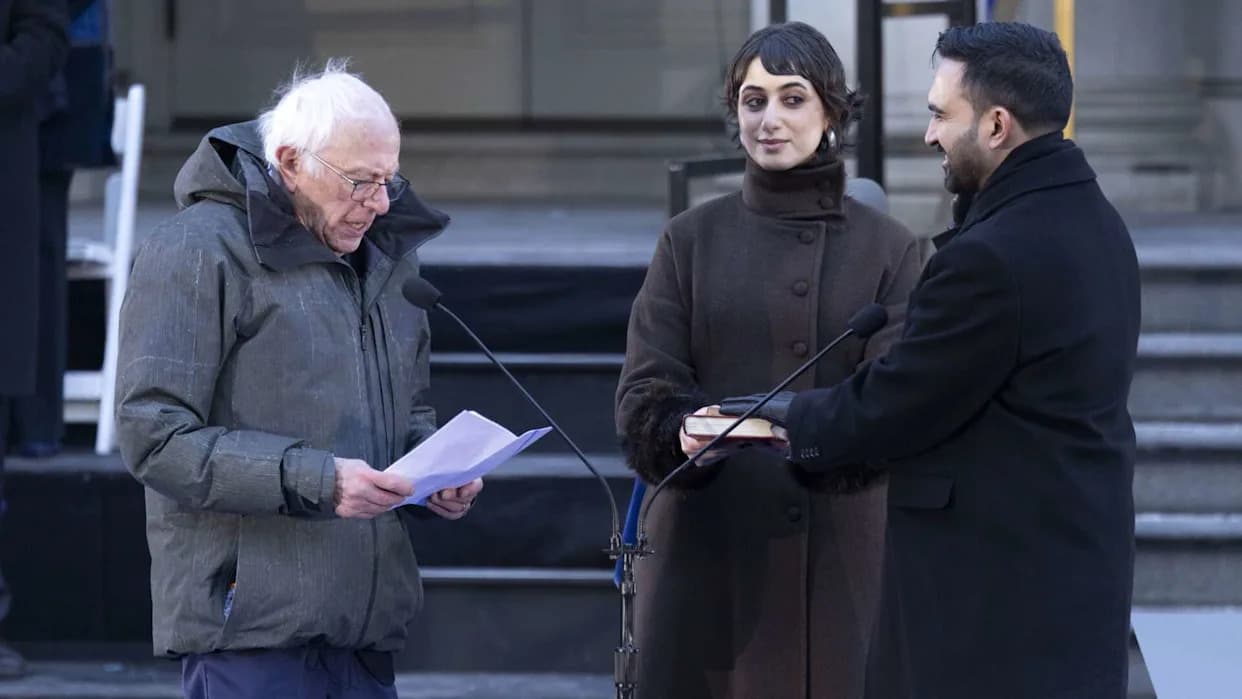
President Trump and New York City mayor‑elect Zohran Mamdani met at the White House after months of public clashes. Mamdani, a democratic socialist and naturalized U.S. citizen born in Uganda, said he would press Trump on economic security and public safety for the city’s more than 8.5 million residents. Trump has repeatedly called Mamdani a "communist" and questioned his status, while Mamdani has denounced immigration crackdowns and vowed to cooperate on policies that benefit New Yorkers.
After Months of Barbs, Trump and Mayor‑Elect Zohran Mamdani Meet at the White House
Washington — After months of sharp public exchanges, President Donald Trump and New York City mayor‑elect Zohran Mamdani met at the White House for the first time. The encounter brings together two figures from opposite ends of the political spectrum: a Republican former president and a self‑described democratic socialist who campaigned on affordability and public safety for the city’s residents.
Mamdani, a naturalized U.S. citizen born in Uganda who moved to New York at age 7 and became a citizen in 2018, said the meeting was "an opportunity to make the case for New Yorkers." He told reporters he planned to press the president on economic security and public safety for the more than 8.5 million people who call the city home. White House press secretary Karoline Leavitt said, "President Trump is willing to meet with anyone and talk to anyone and to try to do what's right on behalf of the American people."
A tense public feud
Despite the public cordiality surrounding the meeting, the two men have frequently traded combative rhetoric. Trump repeatedly labeled Mamdani a "communist," using phrases such as "my little communist mayor" and calling him "a 100% Communist Lunatic" during the campaign. Mamdani, in turn, has sharply criticized the administration's immigration enforcement and economic policies.
Questions about citizenship and threats
The president suggested publicly that Mamdani might not be in the U.S. legally, even though Mamdani is a naturalized citizen. Trump said this summer, "A lot of people are saying he's here illegally... We're going to look at everything." He also mused about the prospect of arrest if a mayor‑elect tried to obstruct federal immigration enforcement: "Well then, we'll have to arrest him," he said.
Federal funding and political pressure
Before the election, Trump urged New Yorkers to support his preferred candidate and warned that federal funding could be reduced if Mamdani won. He wrote that if Mamdani prevailed it would be "highly unlikely" he would contribute federal funds beyond the minimum required. After the election, however, the president struck a milder tone, saying, "We'll help them. We want New York to be successful." Historically, attempts to withhold federal funds from jurisdictions for political reasons have faced legal challenges.
Personal attacks and mischaracterizations
Trump also attacked supporters of Mamdani, at one point writing that "Any Jewish person that votes for Zohran Mamdani... is a stupid person!!!" Mamdani and his campaign say his positions—particularly on foreign policy and Israel—were often misrepresented, and that some attacks reflected bias because he is Muslim and the first Muslim candidate to reach this position in the city's politics. Trump has at times mocked Mamdani's name in public remarks.
Mamdani's response and willingness to work
Mamdani has consistently pushed back against what he described as intimidation tactics. In the wake of his election he said, "His threats are inevitable," calling the rhetoric an attempt at intimidation rather than a legitimate safety concern. He has also been clear about his priorities: holding the federal government accountable for New Yorkers' needs while being willing to cooperate where policies benefit the city.
"I intend to make it clear to President Trump that I will work on any agenda that benefits New Yorkers," Mamdani said at a press availability. "If an agenda hurts New Yorkers, I will also be the first to say so."
What the meeting may cover
Observers expect discussions to focus on economic security, public safety, immigration enforcement protocols that affect local communities, and federal support for infrastructure and emergency services. Beyond policy specifics, the meeting serves as a test of whether political leaders from starkly different perspectives can find pragmatic ground on shared priorities for city residents.
Whatever the outcome, both sides used the buildup to underscore their base messages: Trump to highlight concerns about political ideology and law enforcement, and Mamdani to emphasize protections for immigrants, affordability, and resistance to intimidation. The presidency‑mayor dynamic will be watched closely as the mayor‑elect transitions into office.
Help us improve.