The Pasig court has sentenced former Bamban mayor Alice Guo and seven co-accused to life in prison for running an illegal online-gaming compound in Tarlac that trafficked hundreds of foreign nationals into scam operations. Each convict was fined 2 million pesos and ordered to pay compensation to victims. Guo denies the charges and asserts Filipino citizenship, but authorities allege she is a Chinese national who fled the country in July 2024 and was later arrested in Indonesia and deported. Senator Risa Hontiveros hailed the verdict as a major step against transnational crime while urging continued investigations into enabling officials and possible intelligence links.
Ex-Bamban Mayor Sentenced to Life for Running Massive Human-Trafficking Scam Complex

A regional trial court in Pasig has convicted former Bamban mayor Alice Guo and seven co-accused of human trafficking for operating a sprawling illegal online gaming and scam complex in Tarlac province that forced hundreds of foreign nationals to commit scams. The court sentenced each defendant to life imprisonment, ordered a fine of 2 million pesos (about $34,000) per person, and directed compensation be paid to several trafficking victims who filed complaints.
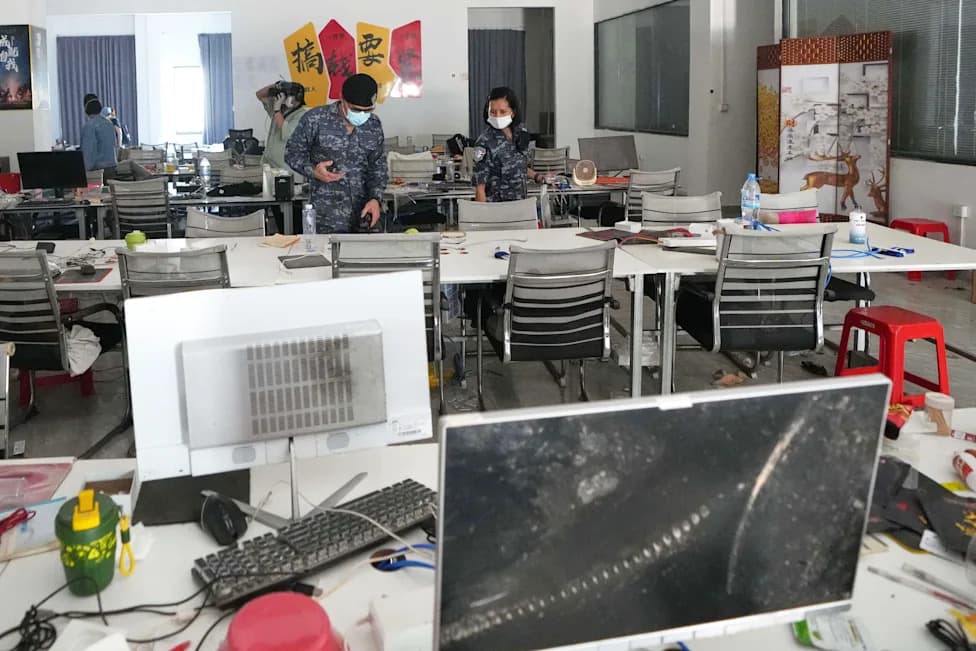
Guo denies the charges and continues to claim Filipino citizenship. Philippine authorities, however, allege she is a Chinese national identified as Guo Huaping who falsified documents to run for mayor of Bamban. Prosecutors say the compound—located near the town hall—used multiple parcels and buildings to house trafficked workers and coerce them into online scams, including romance fraud, bogus investment schemes and illegal gambling.
Large-scale online scam operations have proliferated across Southeast Asia in recent years, particularly in border areas of Cambodia, Laos and Myanmar. The U.N. has warned that gangs have entrapped hundreds of thousands of people in "virtual slavery," forcing victims worldwide to lose money through dishonest schemes. In the Philippines, such criminal networks built vast compounds or rented upscale offices in Manila and moved workers by bribing officials, investigators say.
Last year, President Ferdinand Marcos Jr. imposed a ban on hundreds of mostly Chinese-run online gaming operations, accusing them of a range of crimes including fraud, human trafficking, torture and kidnapping. Authorities report that many of these operations have since been raided and shut down, with tens of thousands of trafficked workers rescued and repatriated, though officials warn that numerous scam centers remain active.
Sen. Risa Hontiveros called the conviction "a victory against corruption, human trafficking, cybercrime and other transnational crimes," while cautioning that the probe is not finished and that accountability is still needed for government agencies that failed to act.
Philippine security officials and Senator Hontiveros have also raised concerns that some scam operations allegedly linked to Chinese nationals may have been used for intelligence-gathering, a sensitive issue amid tensions in the South China Sea and debate over the U.S. military presence in the Philippines. Guo has not been charged with espionage and has denied any involvement in spying.
Guo was dismissed from her mayoral post last year by the state Ombudsman for grave misconduct. She fled the Philippines in July 2024, was later located and arrested in Indonesia, deported to the Philippines and has been detained since. The court’s ruling signals a high-profile legal effort to confront organized online crime, trafficking and the networks that enable them.
What happens next: Convicted defendants may seek appeals in the Philippine judicial system. Investigations into enabling officials and the wider network that supported these operations are expected to continue.
Help us improve.