Atlas V Set to Launch ViaSat‑3 F2 — When and Where
United Launch Alliance (ULA) plans to launch an Atlas V rocket from Launch Complex 41 at Cape Canaveral Space Force Station on Thursday, Nov. 13, 2025. After two scrubbed attempts on Nov. 5 and Nov. 6, ULA announced a planned liftoff at 10:04 p.m. ET with a 44‑minute window extending until 10:48 p.m. ET.
Mission and Vehicle
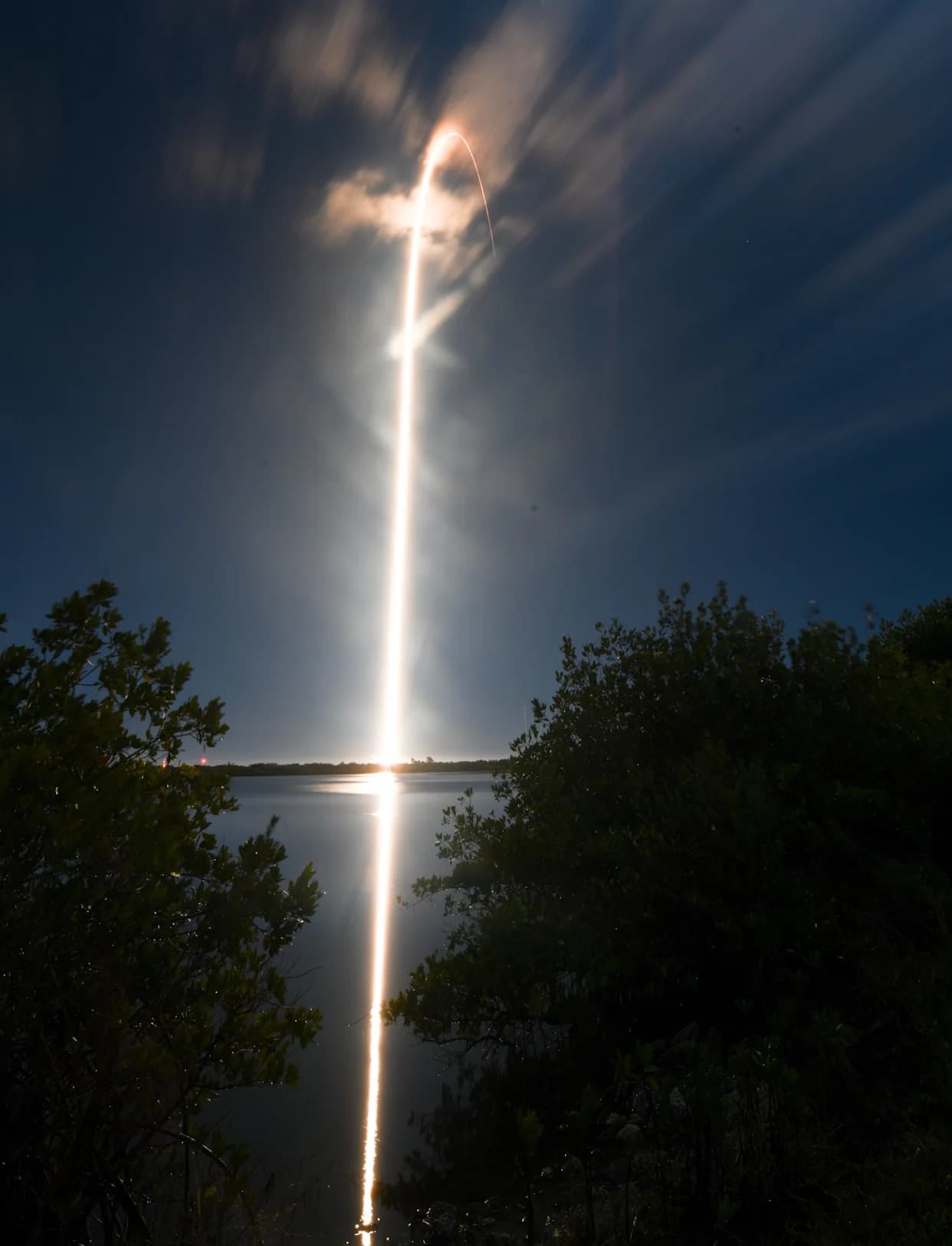
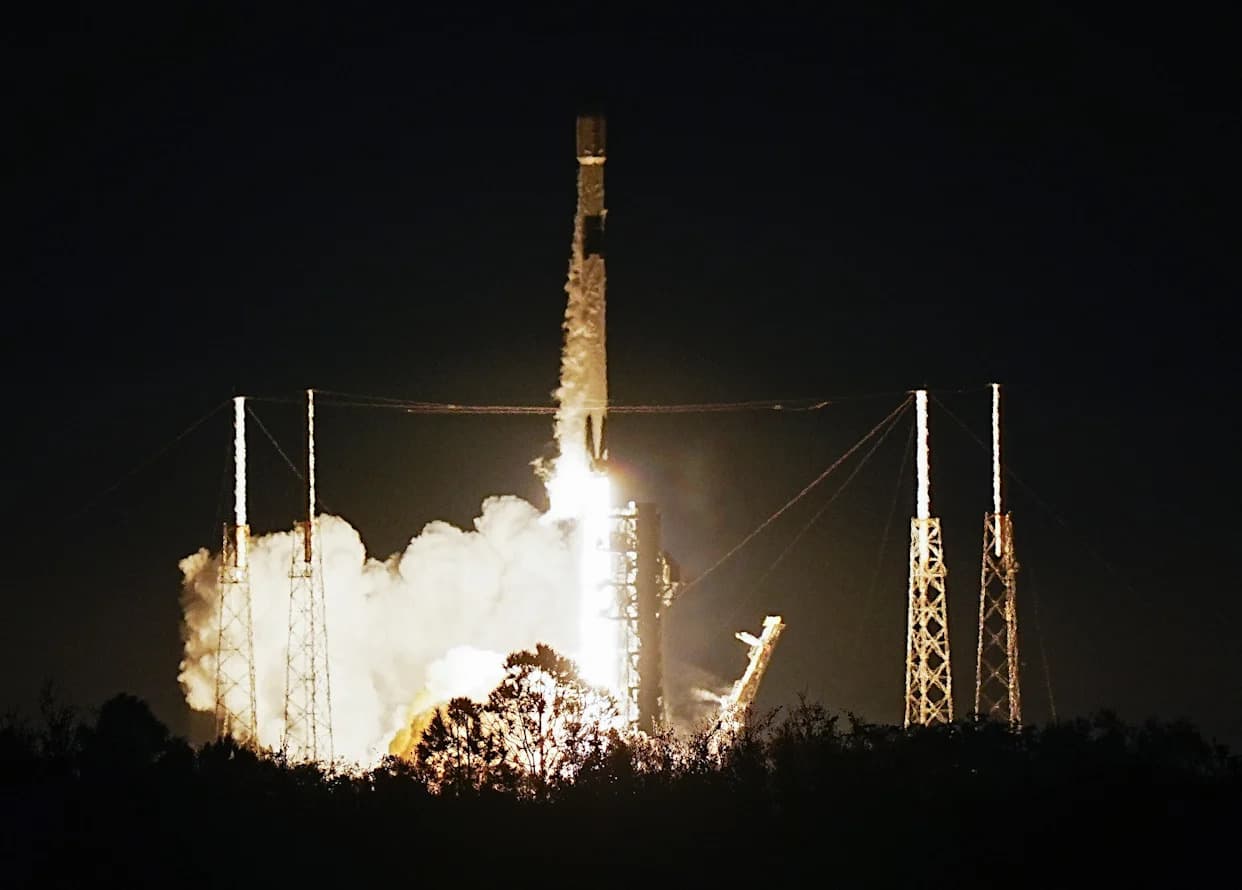
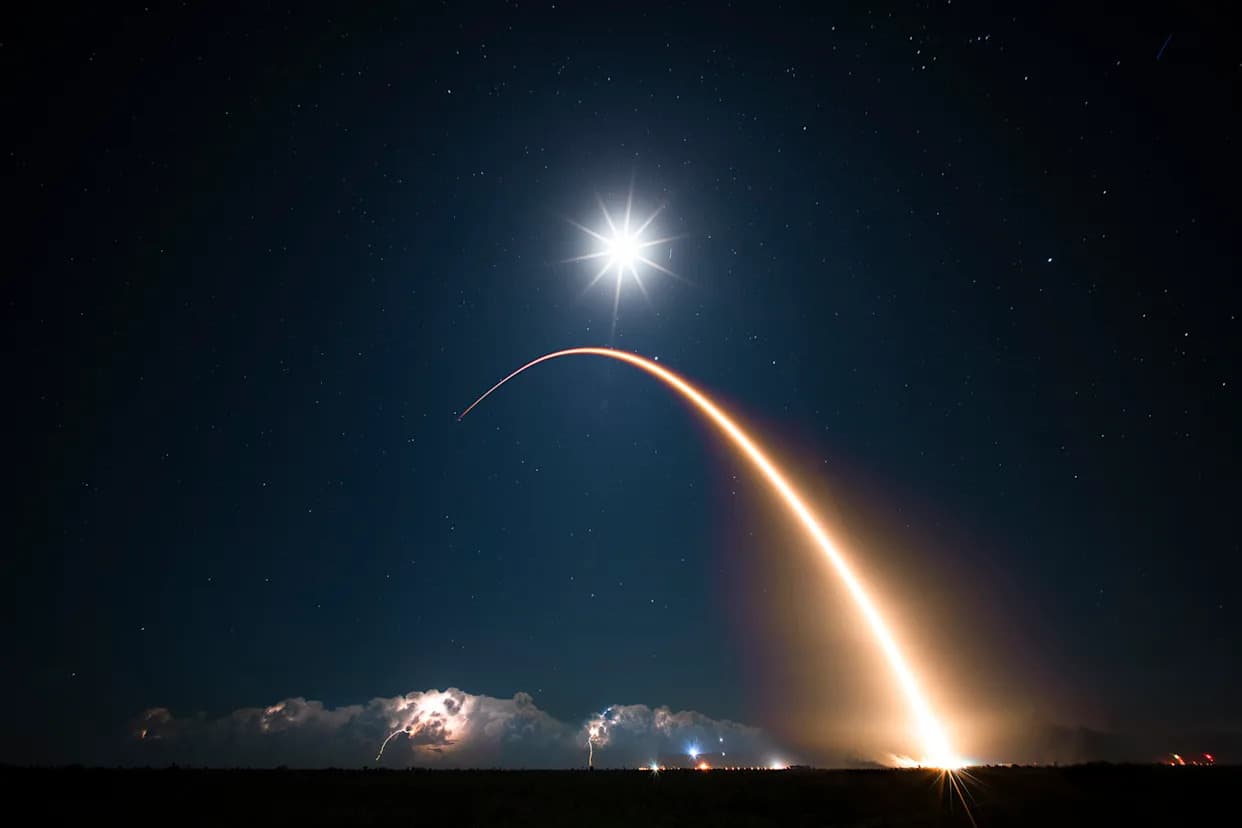
The rocket will carry ViaSat‑3 Flight 2 (F2), described by Viasat as an “ultra‑high‑capacity” Ka‑band broadband satellite and the second of a three‑satellite constellation to expand the company’s network capacity. This Atlas V configuration uses five side‑mounted solid rocket boosters, producing a fast, bright ascent that often makes launches visible over large distances when skies are clear.
Where and When You Might See It
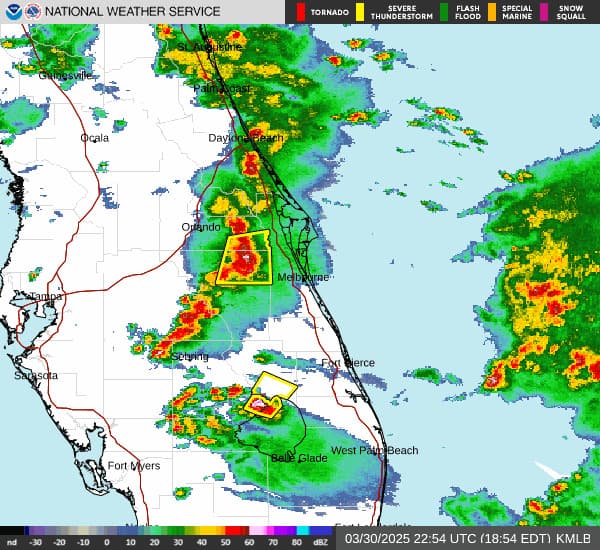
Visibility depends on weather, cloud cover and the rocket’s actual flight performance, but ULA’s visibility graphic suggests the launch could be seen across much of Florida and, at later stages of ascent, into parts of Georgia, the Carolinas, Bermuda and the Caribbean.
- Best local viewing: Space Coast (Brevard County), Fun Coast (Daytona Beach area) and Treasure Coast (Vero Beach, Jensen Beach, Fort Pierce).
- Possible long‑range sightings: Jacksonville, Cape Coral, Miami and, at later times, coastal communities in southern Georgia, South Carolina and North Carolina, plus Bermuda and some Caribbean islands.
Estimated Visibility Timeline (approximate)
Based on ULA’s flight‑path graphic; times are measured from liftoff and are approximate.
- +60 seconds: Space Coast, east Orlando (near UCF and Bithlo), northern Treasure Coast, Indian River County, Sebastian, Vero Beach, parts of Daytona Beach and New Smyrna Beach.
- +90 seconds: Space Coast, Daytona Beach, Port Orange, Volusia County, Treasure Coast, Orlando, Sanford, Kissimmee, Ocala, Lakeland, St. Augustine, Ponte Vedra Beach.
- +150 seconds (payload fairing jettison): Visibility may extend to Sebring, Winter Haven, Palatka, Gainesville, Jacksonville, Tampa Bay area (Tampa, St. Petersburg), Sarasota, Cape Coral, Fort Myers, Naples, Clearwater, West Palm Beach and parts of southern Georgia and the Bahamas/Caribbean.
- +210 seconds (booster separation): May include parts of Florida’s Big Bend and Tallahassee; visibility can extend to the Georgia coast and the South Carolina and North Carolina coasts.
- +270 to +390 seconds: Later stages of ascent can be visible from broader coastal areas of GA, SC and NC and, at the highest altitudes, from Bermuda and portions of the Caribbean.
How to Watch
If you want live coverage, FLORIDA TODAY will begin streaming about 90 minutes before liftoff with commentary, updates and a live webcast. ULA also typically provides a mission webcast and updates. Check ULA’s official channels and local news coverage for the most current launch status and any last‑minute changes.
Safety and Etiquette
Choose safe, legal viewing locations (public parks, beaches and official viewing areas). Avoid standing on roadways or private property without permission; obey local laws and any temporary restrictions near the launch area.
Note: All sighting times and locations are estimates. Actual visibility will depend on the launch time, weather, cloud cover and the rocket’s performance.
For ongoing launch updates, visibility maps and live streams, visit ULA’s website and local space coverage at FLORIDA TODAY (part of the USA TODAY Network).