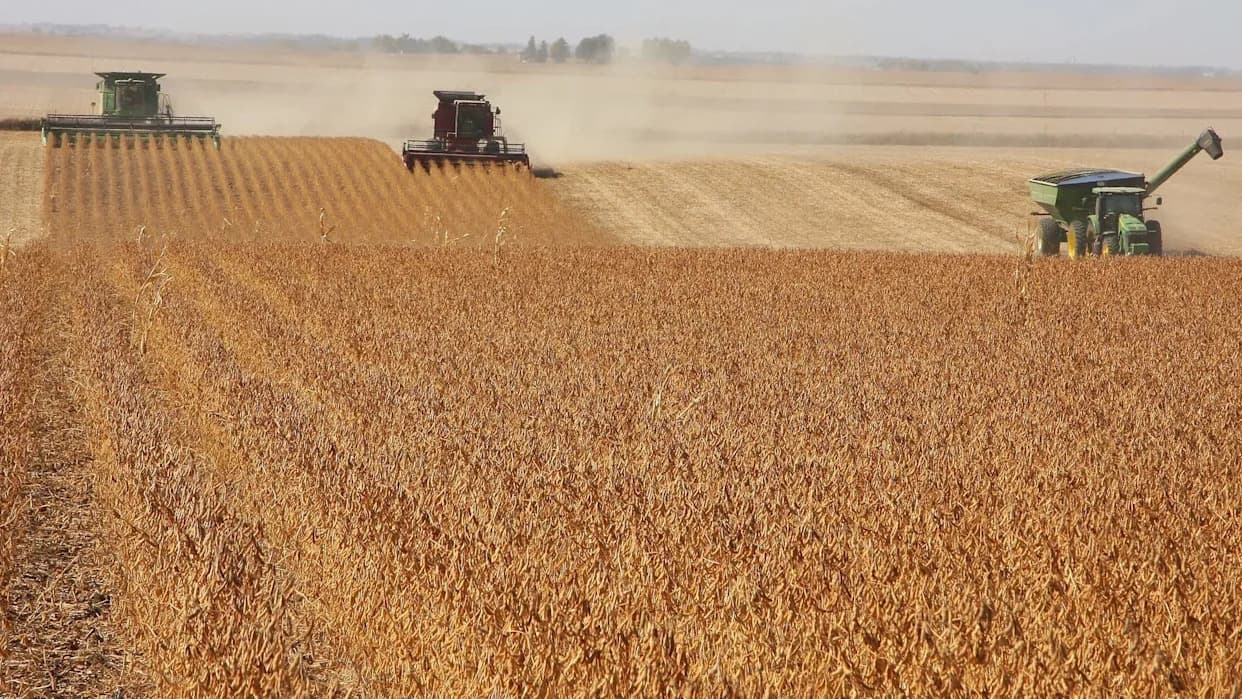
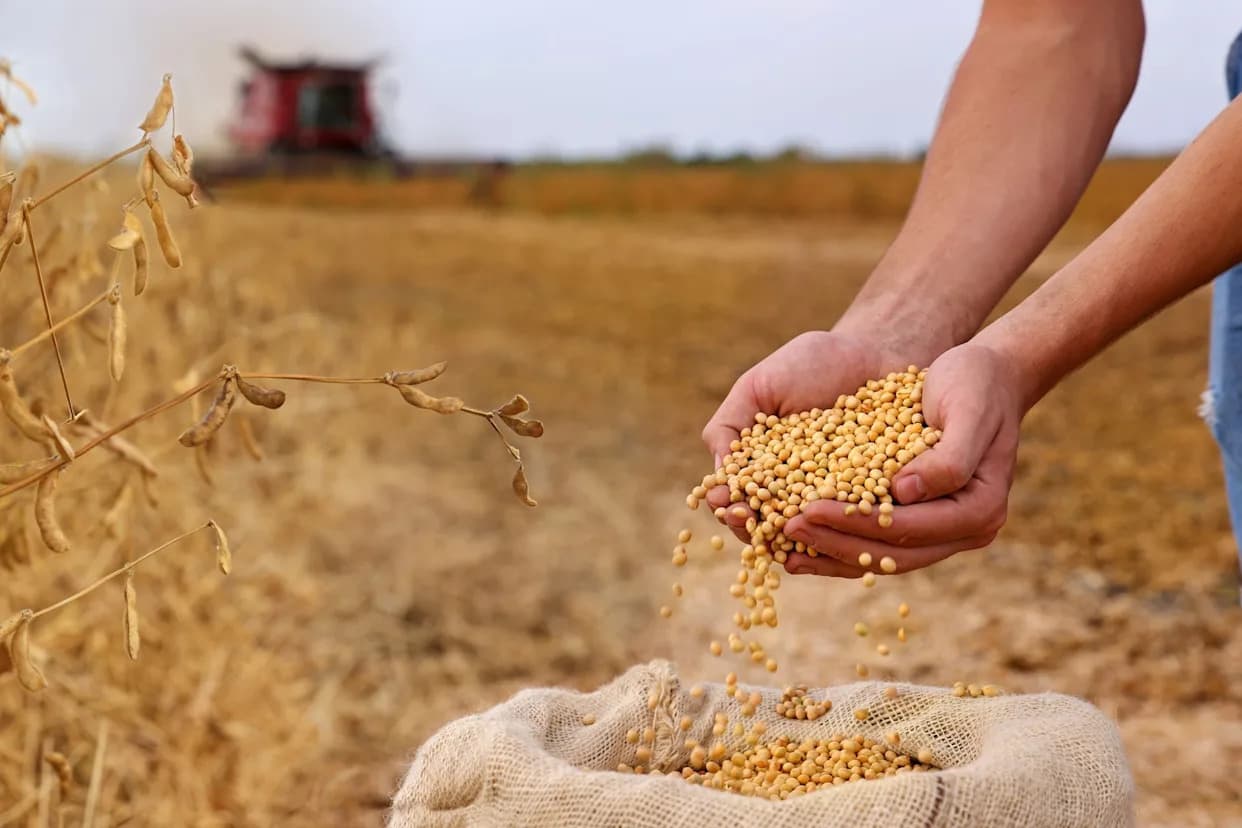
Iowa growers are largely finished with this year’s corn and soybean harvest, though USDA crop reports are paused by the federal shutdown. State officials say typical early-November harvest rates are about 96% for soybeans and 85% for corn, and recent rain left western Iowa especially wet. Producers are shifting to fall tillage, soil sampling and testing for soybean cyst nematode—found in every county—and ISU notes soil temps have dropped below 50°F, the recommended threshold before applying nitrogen.
Iowa Farmers Shift Gears: From Harvest to Fall Fieldwork and Soil Testing

Iowa farmers transition from harvest to post-harvest fieldwork
Most Iowa growers have wrapped up corn and soybean harvest or have only a few acres left in the field, according to typical harvest pace estimates. Precise, up-to-date USDA figures are not available because the federal government shutdown has paused weekly crop progress and condition reports.
By this point last year, corn harvest stood at about 92%—nearly a week ahead of 2023’s pace and roughly two weeks ahead of the five-year average—while soybeans were about 98% harvested. Iowa Secretary of Agriculture Mike Naig noted that historically farmers have harvested roughly 96% of soybean acres and about 85% of corn acres by the first week of November.
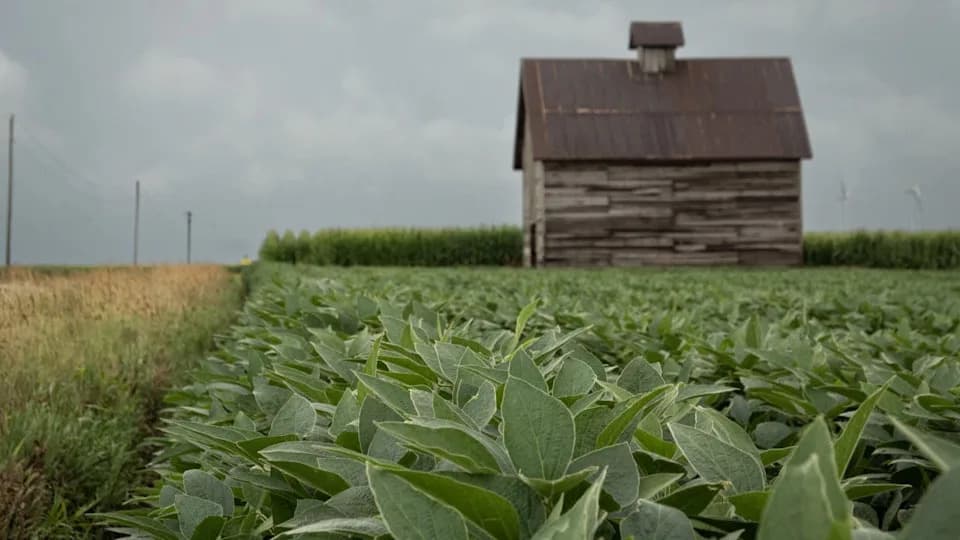
Weather and field conditions
State Climatologist Justin Glisan said recent wet weather likely kept some producers out of fields. Western Iowa was especially wet, with several communities recording more than 1.5 inches of rain. The statewide weekly average precipitation was 0.7 inch, about two-tenths of an inch above normal, and average temperatures across the state were slightly warmer than climatological norms at 45.3°F.
“Not complaining anyway, it has been worse,” said Craig Sweet, a farmer near St. Charles. He reported a little more than 30 acres left to harvest and expects to finish within a week, followed by fall tillage.
Post-harvest priorities: soil testing and pest checks
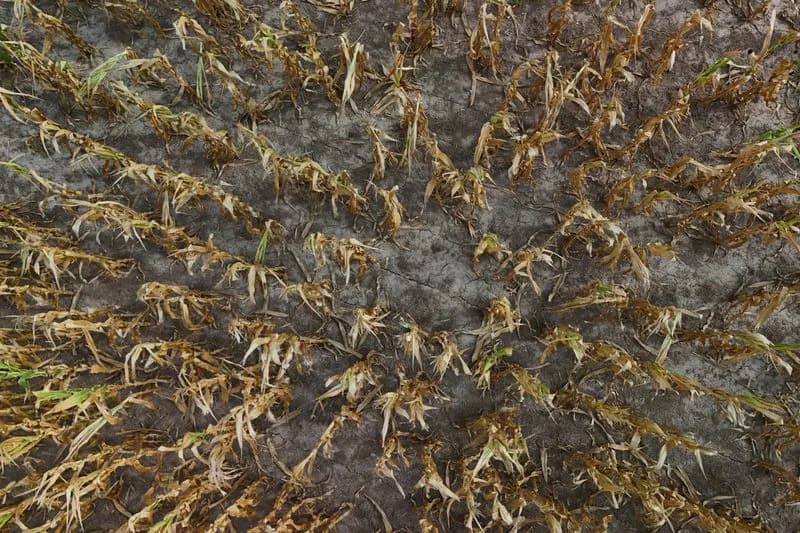
As producers move from harvest into other seasonal tasks, Iowa State University Extension and Outreach advises that now is the best time to collect soil samples and test for soybean cyst nematode (SCN). SCN are parasitic roundworms that reduce a soybean plant’s ability to take up nutrients and can worsen symptoms when plants face other pests or diseases. These nematodes have been detected in every Iowa county.
Farmers can send soil samples to the ISU Plant and Insect Diagnostic Clinic to determine whether SCN-resistant soybean varieties should be planted next season. Timely sampling helps inform seed selection and long-term field management.
Nitrogen application guidance
Soil temperatures have fallen below 50°F, according to the Iowa Environmental Mesonet. ISU agronomists recommend waiting until soil temperatures are at or below this threshold before applying nitrogen to minimize losses and improve efficiency.
Bottom line: With harvest winding down, farmers are shifting to fall tillage, soil sampling and pest monitoring. Local weather has slowed some fieldwork, particularly in western counties, but routine post-harvest management now takes center stage.
Help us improve.