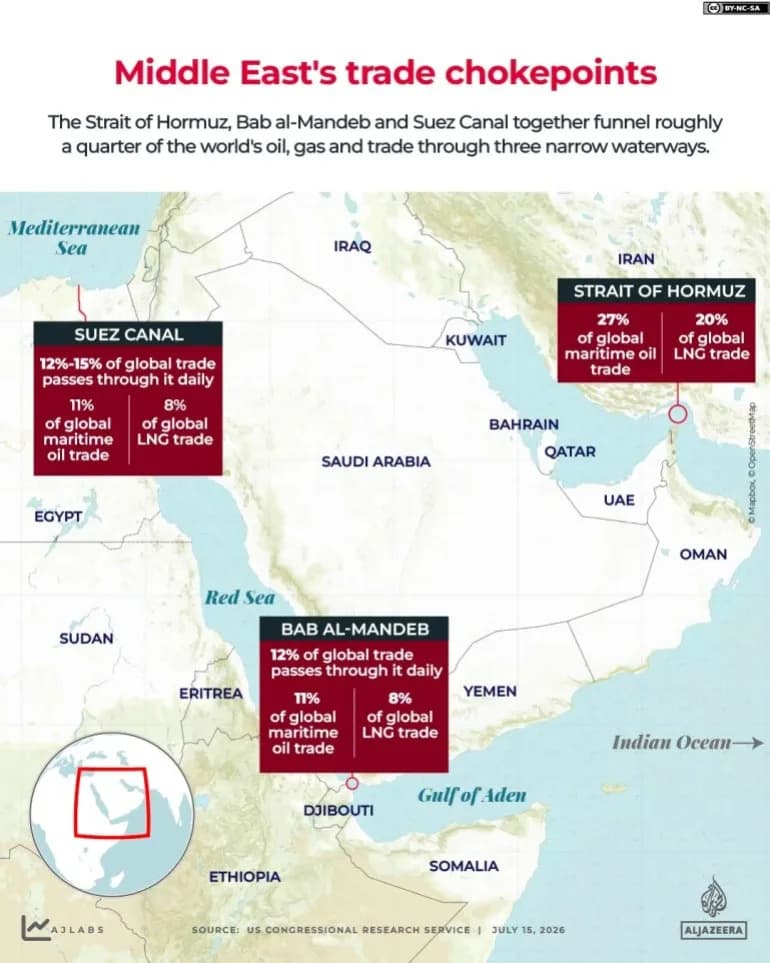
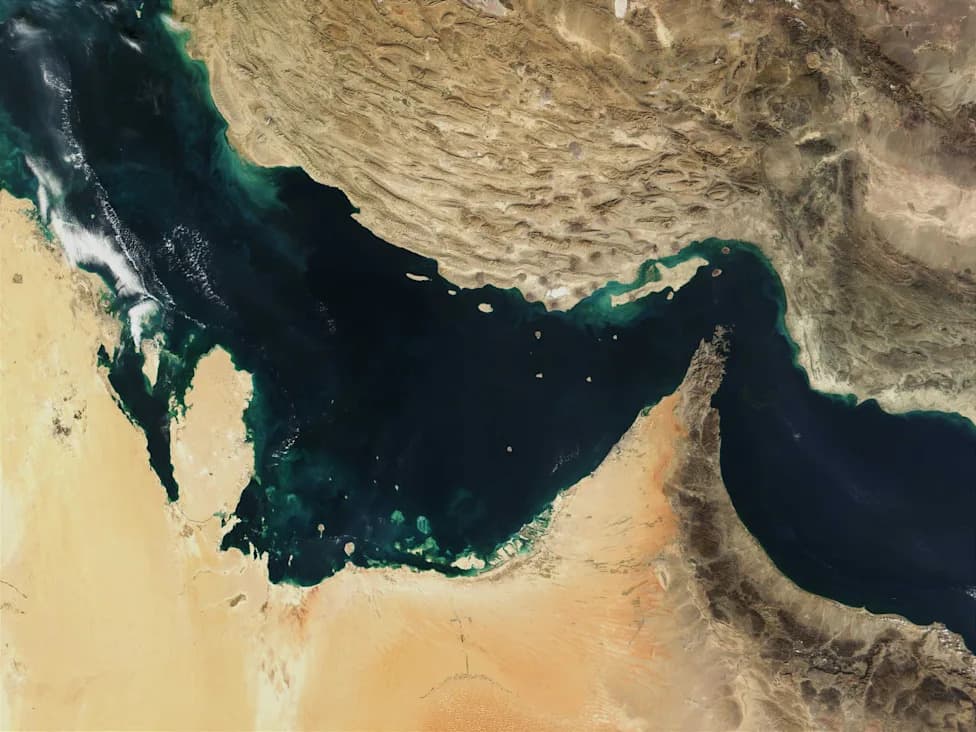
The Houthis' September offensive captured key coastal territory and islands, increasing their capacity to threaten shipping through the Bab al‑Mandab and amplifying links between Yemen's conflict and the wider Iran war. Disruption at Bab al‑Mandab—which carried about 8 million barrels per day in Q2 2026—could add roughly $20 a barrel to global oil prices. The fighting has produced heavy civilian casualties, mass displacement and heightened the risk of regional escalation and extremist resurgence. Diplomatic or coordinated military measures may reduce, but not eliminate, these threats.
Why Yemen's New Fighting Matters: Shipping, Stability, and a Growing Humanitarian Crisis
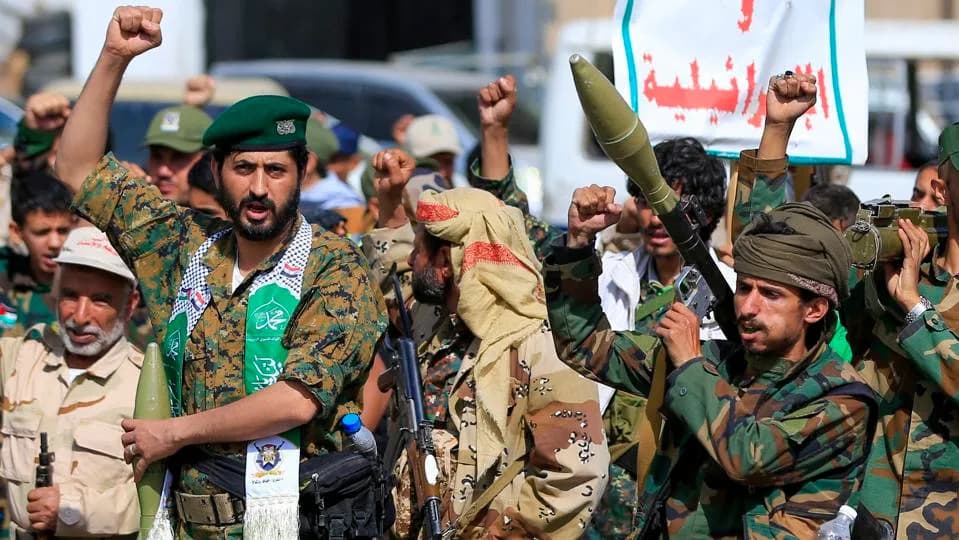
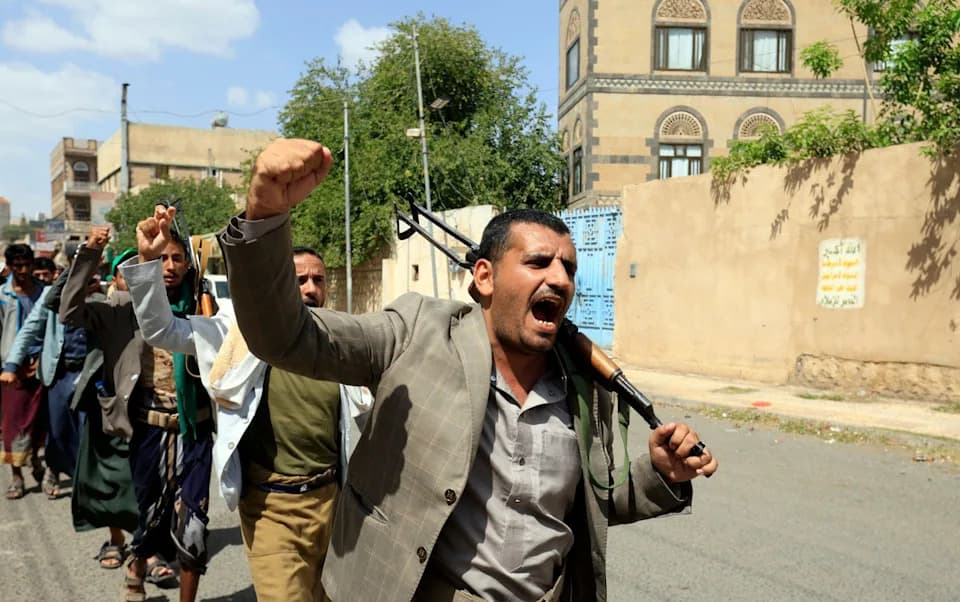
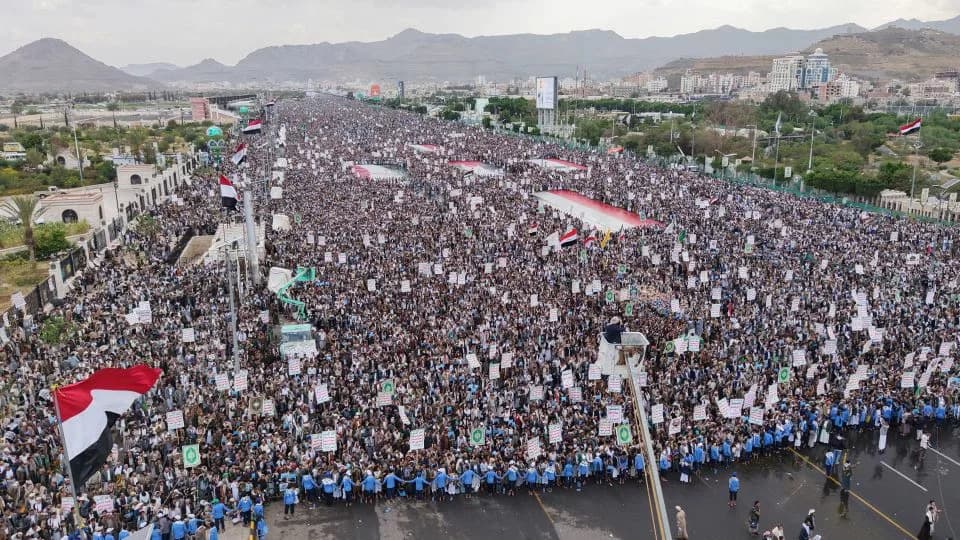
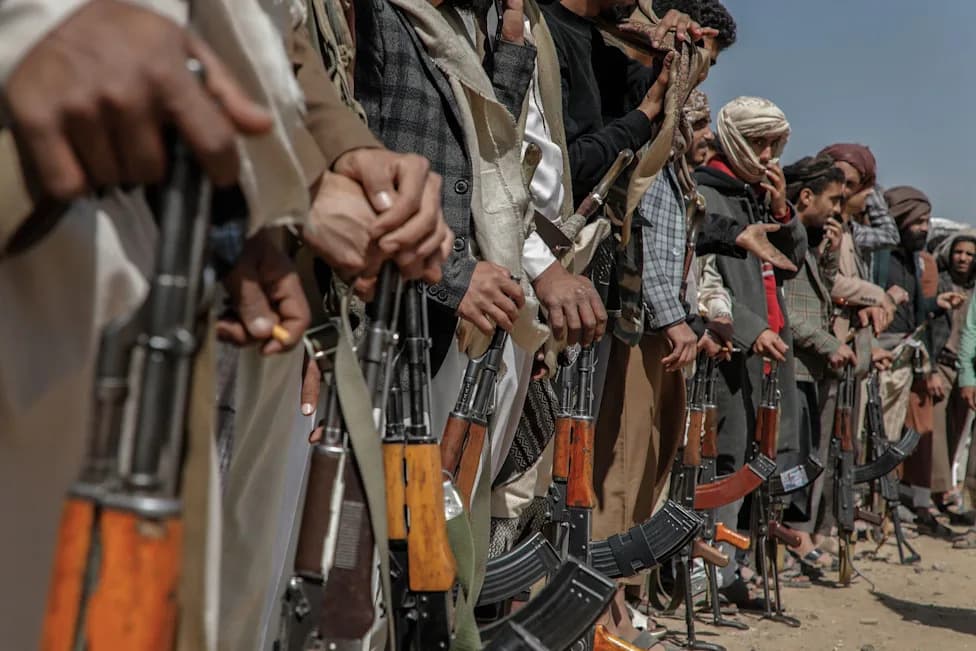
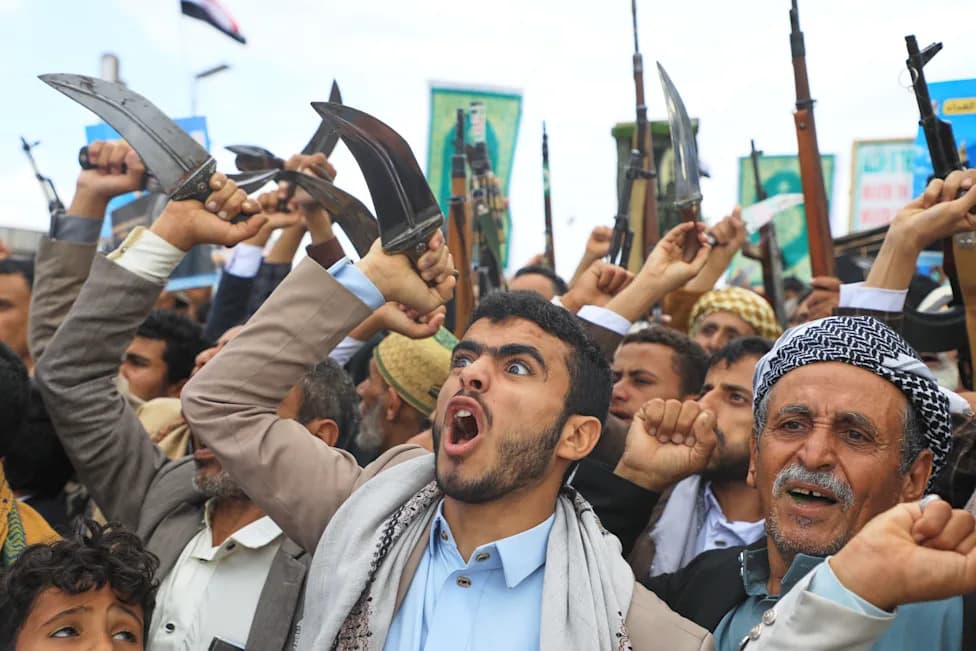
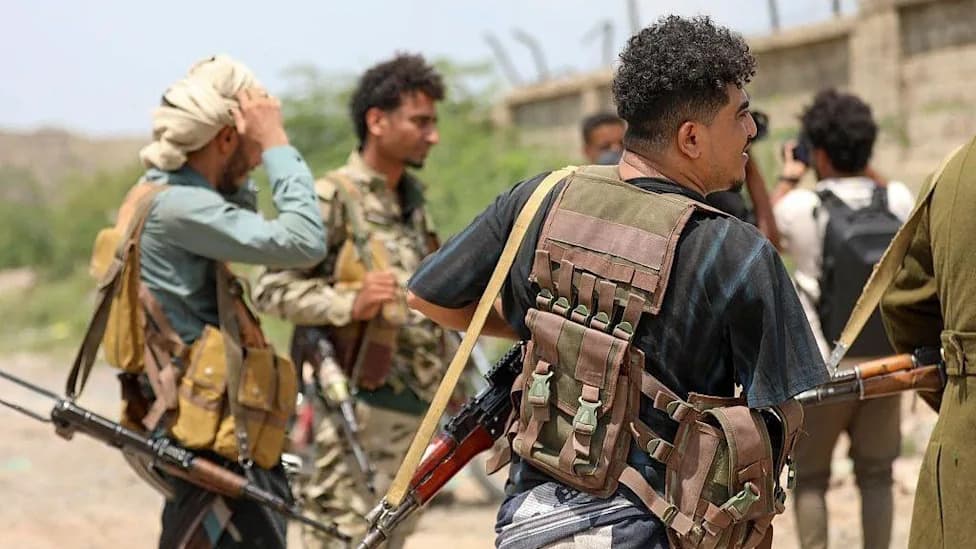
Fighters loyal to the Houthi authorities gathered in Sanaa, the capital of Yemen, last month. The country relapsed into war, drawn into the regional conflict triggered by the US-Israeli offensive against Iran.AFP via Getty Images
Fighters aligned with Yemen's Houthi authorities massed in Sanaa last month as the country slid back into open conflict, pulled into a wider regional confrontation linked to the US‑Israeli offensive against Iran.
Why This Escalation Matters
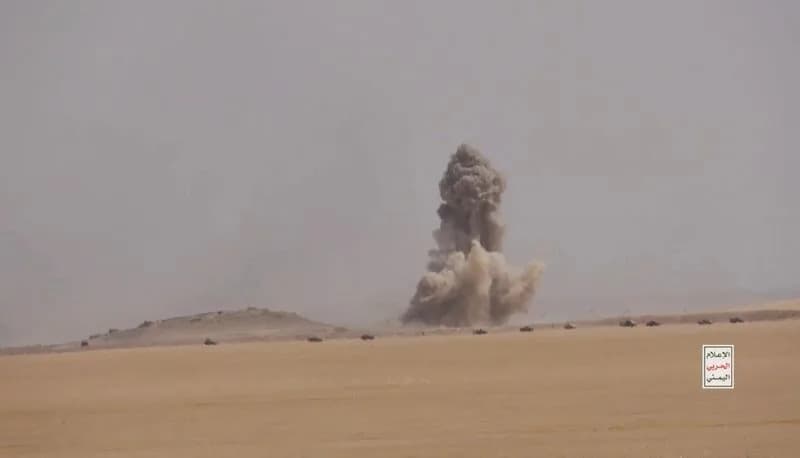
The September Houthi offensive produced rapid territorial gains along Yemen's Red Sea coast, including the port city of Mocha and the islands of Zuqar and Perim. These advances give the group greater leverage over the Bab al‑Mandab strait, a strategic shipping chokepoint at the southern entrance to the Red Sea.
Military Dynamics
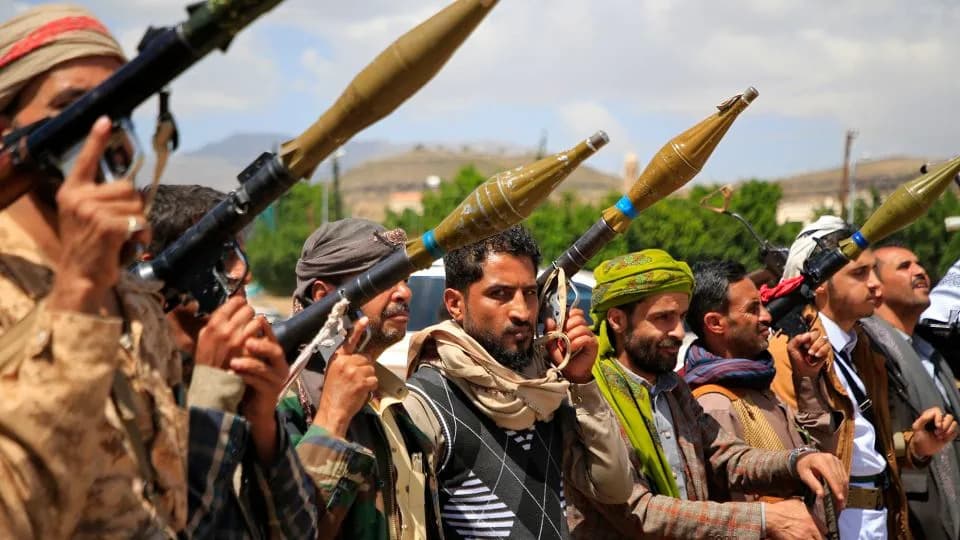
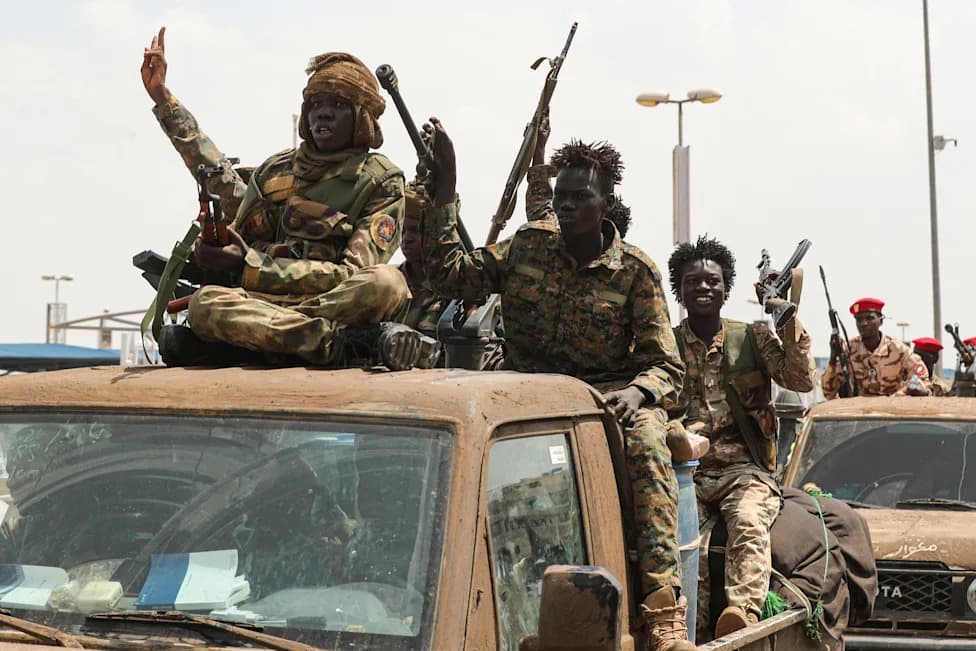
Multiple reports indicate the Houthis exploited divisions within Yemen's leadership and the weakened combat capacity of the Saudi‑backed government. Tactical support from Iran's Islamic Revolutionary Guard Corps is widely reported. During the offensive the Houthis captured substantial military equipment—armored vehicles, rockets and various munitions—some of which may originally have been supplied to Yemeni forces by external backers.
Threats To Shipping And Energy Markets
Control of coastal terrain increases the Houthis' ability to threaten commercial shipping in the Bab al‑Mandab. Oil flows via that route averaged roughly 8 million barrels per day in Q2 2026, after rerouting caused by the Iran war. Analysts at JP Morgan warn that further disruption at Bab al‑Mandab could add about $20 a barrel to global oil prices—a significant shock given crude's already elevated level near $100 per barrel.
Regional Spillovers And International Involvement
Since the offensive the Houthis and Saudi forces have exchanged missile and drone strikes, with the Houthis targeting Saudi energy infrastructure and sites near Riyadh. Saudi Arabia has launched a counteroffensive using government ground forces backed by airpower. Media reports also indicate US military advisers are present in Saudi Arabia, and there is speculation that other partners could provide air defense systems, intelligence and limited air support rather than large numbers of ground troops. Given the Houthis' alignment with Iran and their past strikes aimed at Israel, the risk of a broader regional confrontation cannot be dismissed.
Humanitarian Cost
The World Health Organization reported that the recent fighting has killed more than 800 people, wounded over 3,000 and displaced tens of thousands. Thousands of refugees have crossed the Bab al‑Mandab by sea to Djibouti, straining that country's relief and health systems. Yemen already faced one of the world's worst humanitarian crises: more than 18 million people are food insecure, and over 2 million children under five are acutely malnourished.
Extremist Risks
Yemen remains a base for al‑Qaeda in the Arabian Peninsula (AQAP). Renewed instability and ungoverned space provide conditions for militant groups to regroup, recruit, acquire weapons and plan attacks—risks that have international security implications.
Possible Paths Forward
A coordinated Saudi‑led military effort, supported by allies, could push the Houthis back from some coastal positions and reduce—but not eliminate—the threat to Red Sea shipping. If a military solution falters, a negotiated "freeze‑for‑freeze" deal has been discussed: Riyadh would suspend air strikes while the Houthis agree to halt cross‑border missile attacks and refrain from targeting commercial shipping. Such an arrangement would likely involve financial or humanitarian incentives for the Houthis.
At present neither side appears poised for a decisive victory. Given the stakes for regional stability, energy markets and human lives, the international community has a clear interest in preventing further escalation and prioritizing diplomatic and humanitarian channels to contain the fallout.
Help us improve.