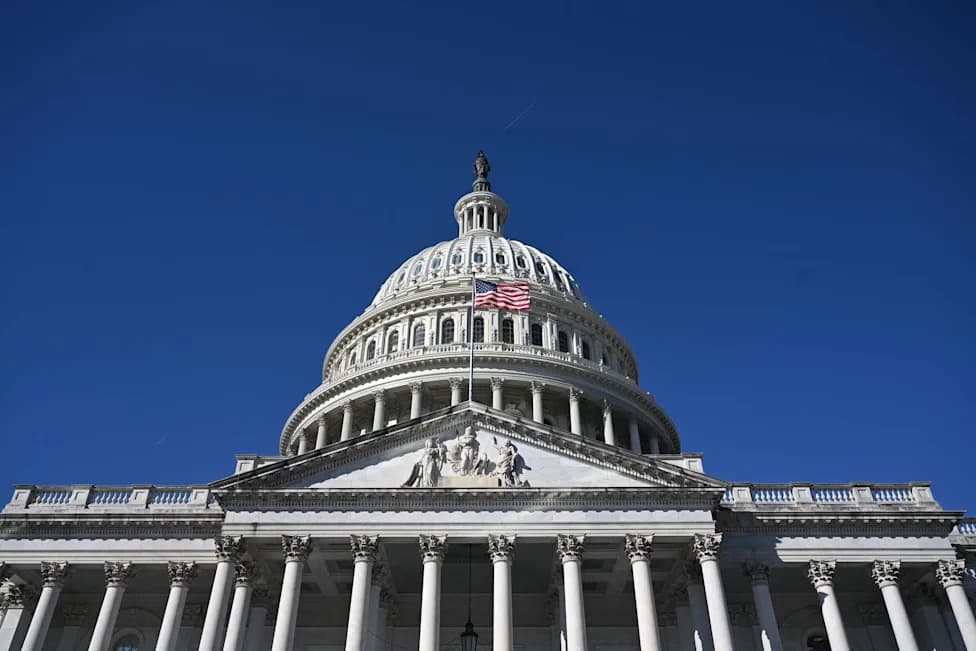
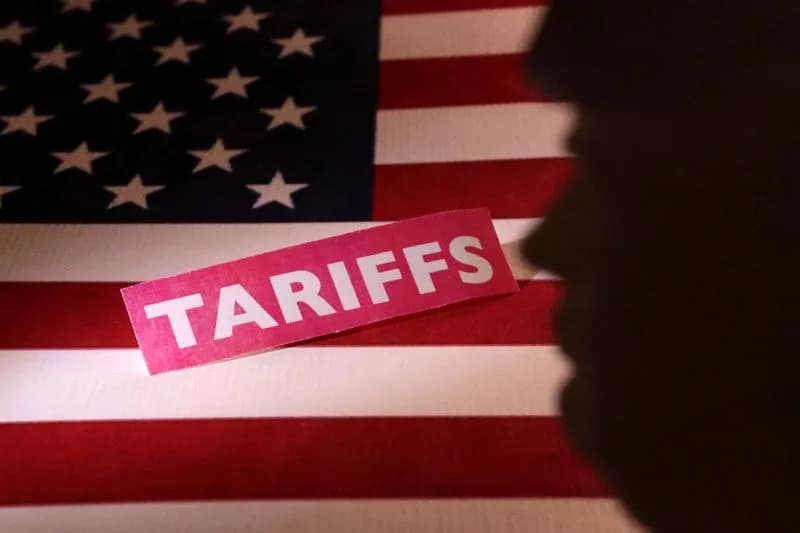
President Trump signed the Lindsey O. Graham Sanctioning Russia and Iran Act of 2026 on 18 September, granting the White House broad tariff and financial powers aimed at forcing a settlement in the Russia‑Ukraine war and increasing pressure on Iran. The law authorises discretionary 100% tariffs on imports from the top five buyers of Russian energy and up to 500% duties on residual direct Russian imports, plus measures against Russia's shadow tanker fleet and limits on financial flows. The administration can use waiver authority and enforcement timing as diplomatic leverage over Moscow, Kyiv and third‑party buyers. Paired with recent Treasury sanctions targeting Chinese and Hong Kong facilitators, the Act significantly expands U.S. economic tools to influence both conflicts.
How Trump Is Using The Graham Act To Corner Russia And Pressure Iran
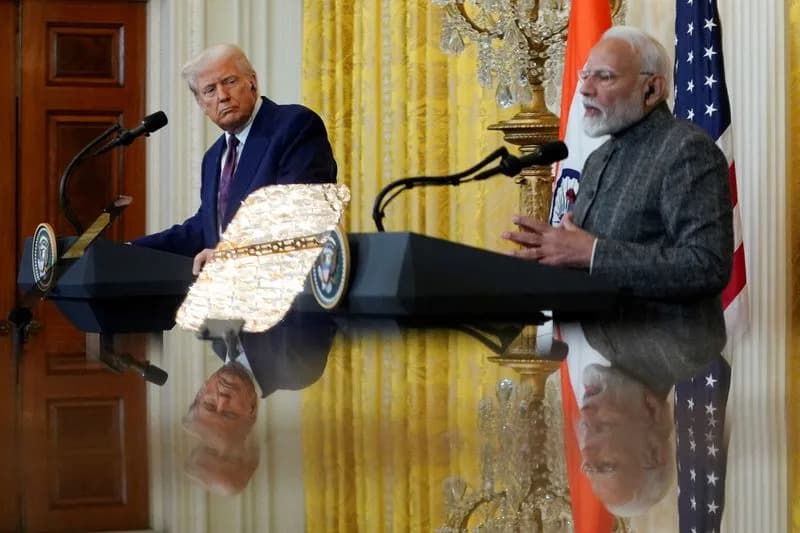
President Trump signed the Lindsey O. Graham Sanctioning Russia and Iran Act of 2026 on 18 September, giving the administration sweeping tariff and financial authorities intended to compel a diplomatic settlement in Europe and to tighten pressure on Tehran. The law is an amplified form of the tariff diplomacy the president has pursued during his second term and was explicitly linked to his United Nations diplomacy on 22 September.
What The Act Authorises
The Graham Act authorises several potent measures: a discretionary 100% tariff on imports from the top five purchasers of Russian crude and natural gas and on the top five jurisdictions believed to facilitate sanctions evasion; a mandatory tariff of up to 500% on any residual direct Russian imports; prohibitions on transactions involving Russia's so-called shadow tanker fleet; and strict limits on processing funds tied to the Russian government through U.S. capital markets. At the time of writing, the top five individual buyers named are China, India, Turkey, Brazil and Azerbaijan. The statute currently targets individual countries rather than trading blocs.
How The White House Can Use It
The president has discretion over whether to invoke the 100% tariff under Section 113 and over the grant of waivers and timing. That discretion gives the White House leverage not only over Moscow but also over third-party buyers such as China and India, which could be encouraged to press Russia toward negotiations to avoid severe trade penalties. The Act also creates political leverage over Kyiv, since waivers and enforcement timing could be used to shape Ukraine's negotiating incentives.
Implications For Russia And The War In Ukraine
Analysts already see significant logistical constraints on Russia's war effort. Imposing either a broad 100% tariff or a crippling 500% duty on residual exports would threaten Russia's remaining energy export workarounds, notably the shadow tanker fleet that has helped route oil around sanctions. Disruption of those flows could materially increase pressure on the Russian economy and raise the political cost of continued military operations in Ukraine.
Link To Iran And Broader Strategy
Strategically, the Act dovetails with efforts to limit Iran's military and nuclear capabilities. Washington views the Moscow‑Tehran relationship as materially important to Tehran's access to drones, missile systems and sanction-evasion networks. By pressuring Moscow to prioritise its own economic stability, the administration aims to reduce Russian willingness or capacity to supply Iran with advanced systems and logistics.
Domestic Politics And Endgame
Timing matters. The Act was signed as the president faces mid‑term elections, but legacy considerations and national security priorities appear to have been decisive. Close advisers have signalled a willingness to accept short‑term domestic political costs to prevent a future Iranian nuclear capability. Under the Constitution, a change in congressional control would not remove executive authority, and the White House retains emergency powers that could be invoked if Congress seeks to restrict funding for operations tied to Iran.
Enforcement And Treasury Actions
The Graham Act complements the Iran Sanctions Act and recent Treasury actions that targeted Chinese and Hong Kong facilitators allegedly keeping Iran's industrial and transport networks operational. Treasury officials have warned that countries that continue business with Iran risk exclusion from dollar‑based financial channels, reinforcing the Act's reach when paired with financial designations.
Assessment
Whether the law's combination of tariffs, financial restrictions and targeted sanctions will produce a negotiated settlement in Europe or decisively alter Tehran's calculations is uncertain. The Act nevertheless arms the White House with unprecedented economic pressure points that could reshape diplomatic bargaining positions in both theaters if deployed.
'If necessary, I will have to use them. It's time to stop the killing,' said President Trump at the United Nations, linking his new tariff authorities to a push for a ceasefire.
'I think he just understands that when Iran gets a nuclear weapon, it doesn't matter who is in charge of the House, it doesn't matter the majority in the Senate,' said Lara Trump on the domestic political tradeoffs involved.
By Simon Watkins for OilPrice.com
Help us improve.