The new U.S. Russia sanctions law gives the president authority to impose tariffs up to 100% on imports from the largest buyers of Russian oil and gas and on countries that continue new purchases after enactment. Critics say the law's vague wording and wide executive discretion could invite broader or politically motivated use, while supporters call it a strong tool to deprive Russia of war funding. Legal experts note this statute explicitly mandates duties, which may complicate court challenges, and timing near the midterms raises market and political risks.
New U.S. Russia Sanctions Law Gives Trump Broad Power To Impose Tariffs — Up To 100%
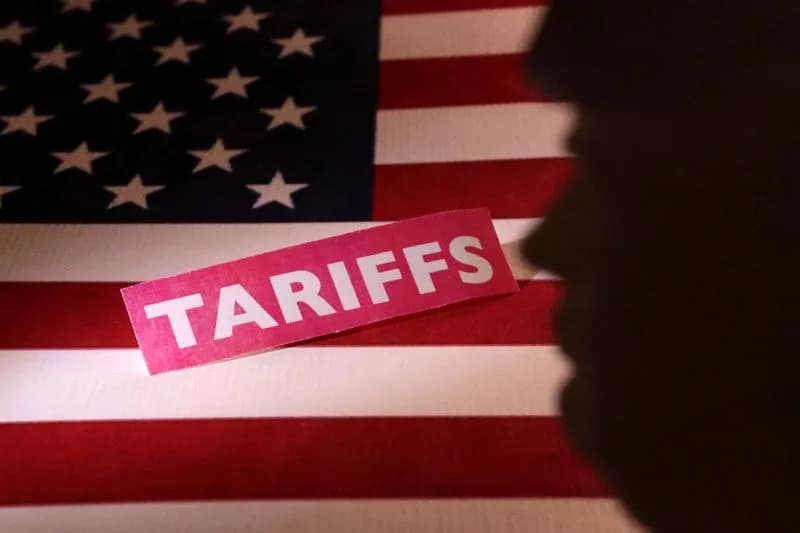
FILE PHOTO: A 3D-printed figure of U.S. President Donald Trump, a U.S. flag and a "tariffs" label are seen in this illustration taken April 10, 2025. REUTERS/Dado Ruvic/Illustration/ File Photo
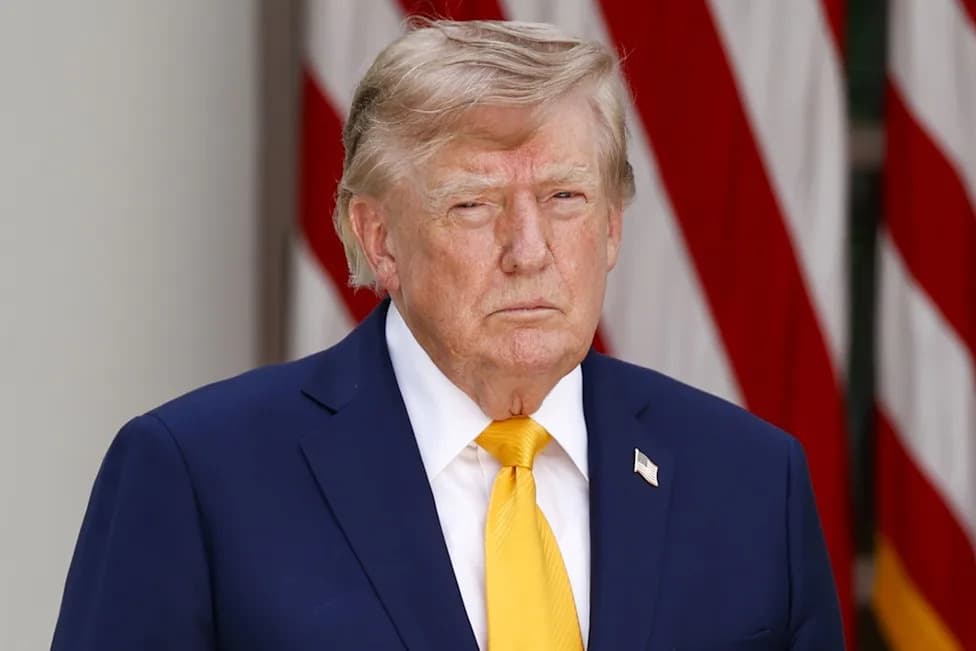
The Russia sanctions law signed by President Donald Trump expands executive authority to impose tariffs, potentially reshaping trade ties and adding uncertainty to global markets. The statute requires the president to levy duties of up to 100% within 30 days on imports from the five largest buyers of Russian crude or gas and on any country that knowingly made new purchases after the law took effect or was among the top five actors helping Russia evade sanctions.
What the Law Does
The package targets revenues that finance Russia's war in Ukraine, authorizing sanctions on Russia's energy and defense sectors and on the so-called 'shadow fleet' of tankers used to evade existing measures. Because the law does not name specific countries or fully specify how the 'top five' lists will be calculated, U.S. officials would have discretion in identifying targets.
Discretion And Legal Risks
Critics warn that the statute's broad language and discretionary delegation to the White House could be applied beyond the law's immediate intent. Legal experts note that, unlike prior tariff actions challenged in court, this law explicitly calls for duties, which may make legal challenges harder to sustain. The law also grants the president a national security waiver to exempt or lift tariffs and sanctions, increasing executive flexibility.
'Given the discretionary authority that the president has, it is likely to be abused,' said Laura Brank, a cross-border transactions lawyer at Bryan Cave Leighton Paisner.
Political And Market Timing
Analysts say any immediate moves could be muted by political calculations: imposing tariffs that raise consumer prices so close to the midterm elections could be costly for the administration. Still, the specter of large duties — even if initially set at a lower or zero rate and raised later — could influence markets and diplomatic relations.
Potential Targets And Global Impact
China and India are among the largest buyers of Russian oil and are frequently cited as potential targets, along with other major purchasers and countries suspected of helping Russia circumvent sanctions. Observers warn of unintended consequences: for example, disruptions to flows of crude and refined products could affect European supply chains and even neighboring countries that rely on refined imports.
Views From Across The Spectrum
Supporters, including analysts at the Foundation for Defense of Democracies, argue the law sets clear criteria and is a powerful tool to cut off funds for Russia's war. Opponents — including trade groups and some lawmakers — say the measure's vagueness and the president's past readiness to use tariffs raise the risk of politically motivated or economically disruptive actions.
'This is entirely discretionary,' said Ben Harris, a former senior Treasury official. 'The definitions are vague and the president has kind of a get-out-of-jail-free card in the form of a waiver.'
The White House has defended the statute as necessary to increase leverage against Russia and has said it includes sufficient guardrails. Congressional sources say the law was advanced in part to strengthen U.S. negotiating leverage ahead of talks with China. The White House did not provide additional comment when asked about concerns over the law's broader scope.
(Reporting by Andrea Shalal; additional reporting by Patricia Zengerle and Steve Holland; editing by Andy Sullivan and Deepa Babington)
Help us improve.