The US House of Representatives on Wednesday approved a sanctions package intended to increase pressure on Russia over its war in Ukraine. The measure passed by a vote of 262 to 159 and now moves to President Donald Trump to be signed into law.
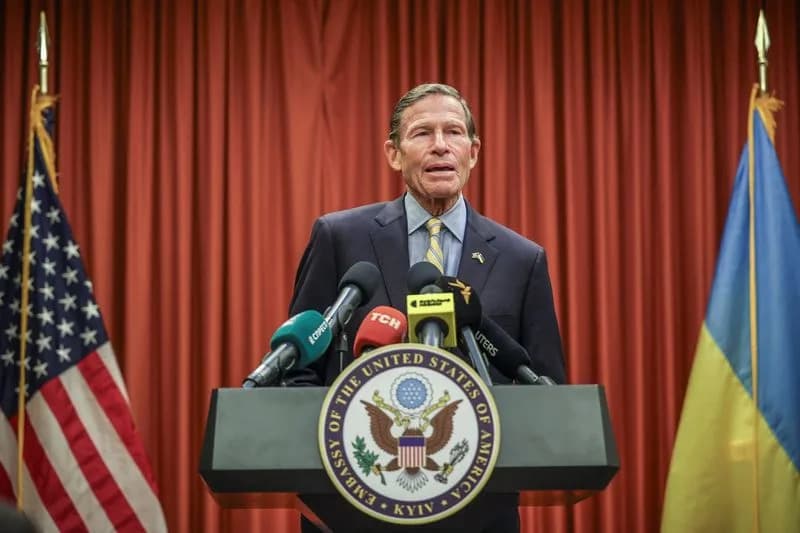
The legislation was largely spearheaded by Senator Lindsey Graham and co-authored by Democratic Senator Richard Blumenthal. Blumenthal hailed the bill's passage as a major victory for democracy in both the United States and Ukraine.
"I vowed then, as I have every day for the last few years, that our tribute to the fallen defenders of Ukraine would be the passage of this legislation to help bring an end to [Russian President Vladimir] Putin's hideous slaughter & prevent future bloodshed," Blumenthal wrote on X. He paid tribute to Graham for his "relentless drive" and said lawmakers must "send Ukraine whatever it needs to prevail."
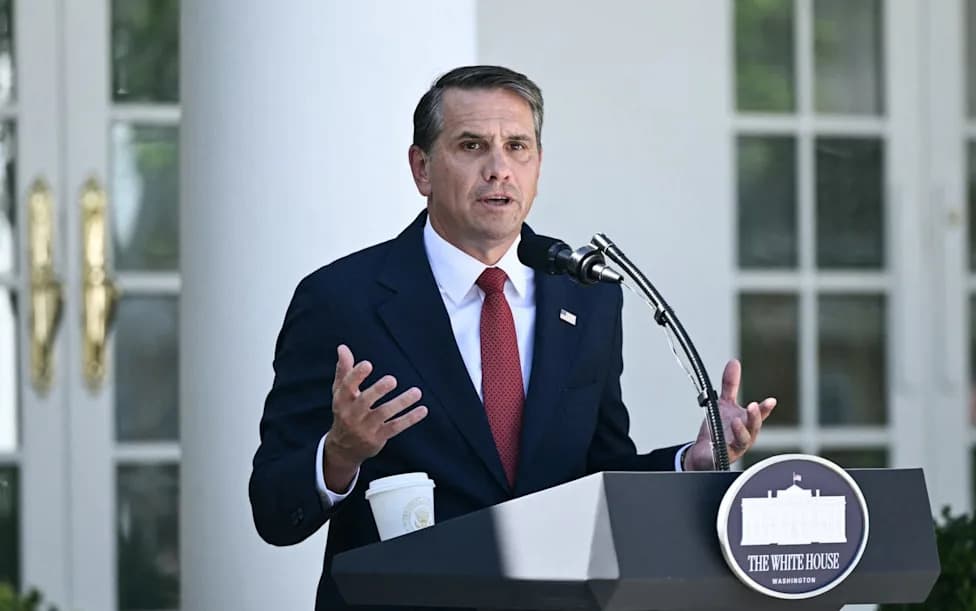
House Speaker Mike Johnson said the bill places maximum pressure on Putin and Russia's war apparatus. "This bill sends a powerful message of American unity and gives the Administration every tool in the toolbox to help bring this war to a just end," he wrote on X.
Taking Aim at the Financing of the War
Beyond direct sanctions on Russian officials and firms, the bill targets energy exports that finance Moscow's campaign in Ukraine. It authorizes the President to impose tariffs on the five largest buyers of Russian energy in the 12 months before the law takes effect, as well as on the five countries judged to be most responsible for helping Russia evade energy sanctions.
Under the new rules, tariffs could reach as high as 100% initially. The administration may adjust rates over time depending on each country's efforts to reduce reliance on Russian oil and gas. The list of the five largest importers will be reassessed every 180 days.
At the same time, the law provides exemptions for countries whose imports account for less than 15% of Russian natural gas exports over a 12-month period and that are taking measures to reduce those purchases. Senator Blumenthal noted in July that Washington's European allies would not be affected by the measure.
Implications
Supporters say the bill will choke off key revenue streams for the Russian war effort. Critics warn it could strain US trade relations with major importers of Russian crude, including China and India, and could complicate global energy markets. With House and Senate approval complete, the next step is the President's signature to make the measure law.