Artificial light at night is eroding true darkness across much of the U.S. and Europe. Observational studies link increased night illumination to poorer sleep, weight gain and early indicators of cardiovascular stress, though many findings remain preliminary. Simple home fixes—blackout curtains, warmer outdoor lights, motion sensors and covering indicator LEDs—plus emerging policies and dark-sky protections offer practical ways to reduce exposure and reclaim darker nights.
The Vanishing Night: How Artificial Light Is Harming Our Health — And What You Can Do
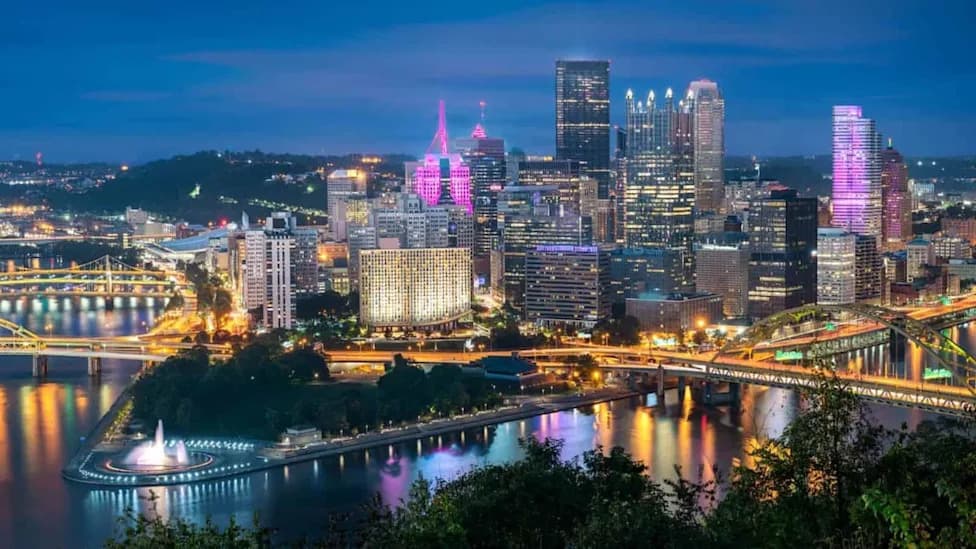
Pittsburgh skyline. Photo credit: YAY Images.
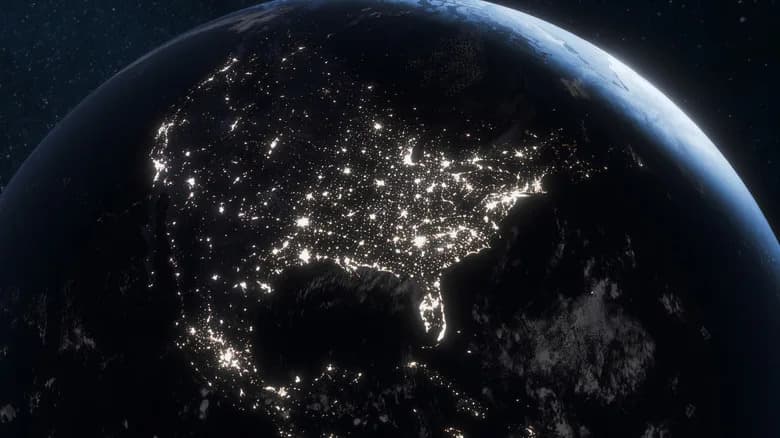
For most people in the United States and Europe, true night is disappearing. Artificial light at night—coming from streetlights, neighbors, outdoor signs, satellites and even small indicator LEDs—has turned many bedrooms into softly glowing spaces rather than dark refuges. Growing evidence links this increased nighttime illumination to disrupted sleep, weight gain and early signs of cardiovascular stress. Fortunately, practical and relatively low-cost actions can reduce exposure and help restore darker nights.
The Quiet Fade Of Darkness
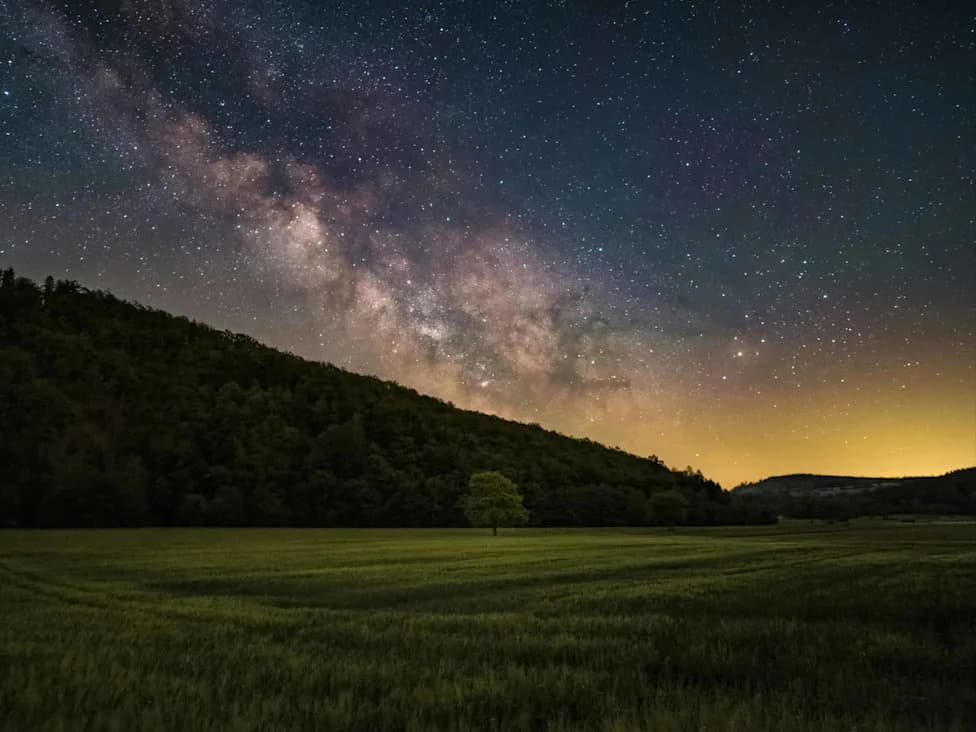
Darkness slipped away so gradually that it often passed unnoticed: an amber ceiling glow, a streetlamp seeping through blinds, a motion sensor flashing at 2 a.m. Writer Craig Childs documented the contrast on a nine-night bicycle journey from Las Vegas into the Mojave Desert. Starting under some of the brightest urban skies and pedaling roughly 200 miles north, he watched the night deepen until the sky felt less like a washed-out ceiling and more like actual space. His trip inspired the book The Wild Dark, chosen for Science Friday’s July–August 2026 Book Club.
How Brightness Has Changed
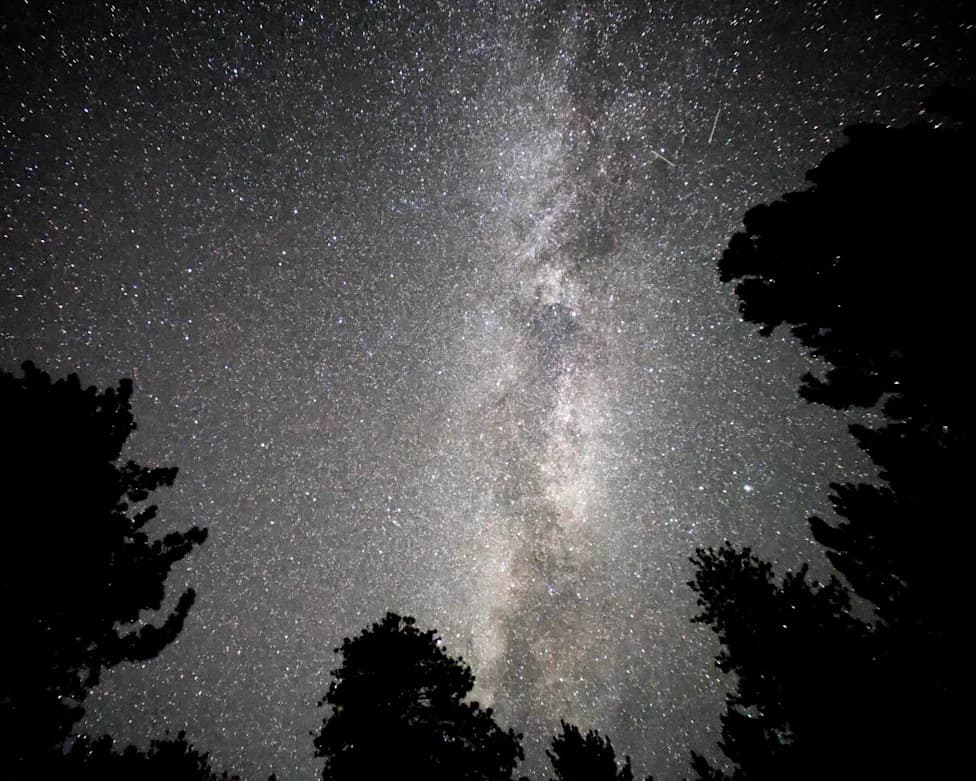
A 2023 citizen-science study estimated that sky brightness perceived by human observers rose about 9.6% per year worldwide from 2011 to 2022. At that rate, brightness would roughly double in 7–8 years, although this trend reflects participating observation locations rather than a worldwide forecast. A 2016 global atlas reported that more than 99% of people in the U.S. and Europe live under light-polluted skies, and nearly 80% of North Americans now live where the Milky Way is no longer visible.
New contributors to nighttime brightness are appearing: objects in low Earth orbit—including satellite constellations—were flagged in a 2026 review as an emerging source of artificial sky illumination. And while LED technology has altered lighting design and energy use, it has not eliminated light pollution; in many places, total outdoor illumination continues to expand.
What The Science Shows
Research is building a picture of health impacts, though many studies are observational and cannot prove cause and effect.
Photo credit: YAY Images.
Cardiovascular Signals (Preliminary)
A November 2025 cardiology-conference abstract reported an investigation of 450 adults that combined satellite-derived nighttime light estimates around participants’ homes with brain imaging. The preliminary report found higher brain activity linked to stress and increased arterial inflammation in people exposed to greater ambient nighttime light. The authors emphasized this was early, not yet peer-reviewed work, and described associations, not causation.
Weight and Sleep
In a five-year observational study of 43,722 women, those who slept with a light or television on in the room were about 17% more likely to gain at least 11 pounds than women who slept in darkness. Scientists suggest nighttime light may disrupt circadian rhythms and melatonin signaling, but the study did not directly test those mechanisms.
Researchers recommend evaluating nighttime light alongside other environmental exposures such as air and noise pollution.
Practical Steps To Reduce Nighttime Light
Many effective measures are inexpensive and can be done at home:
- Block gaps: Blackout curtains or properly mounted shades reduce incoming glow; check and seal edges to limit leak-through.
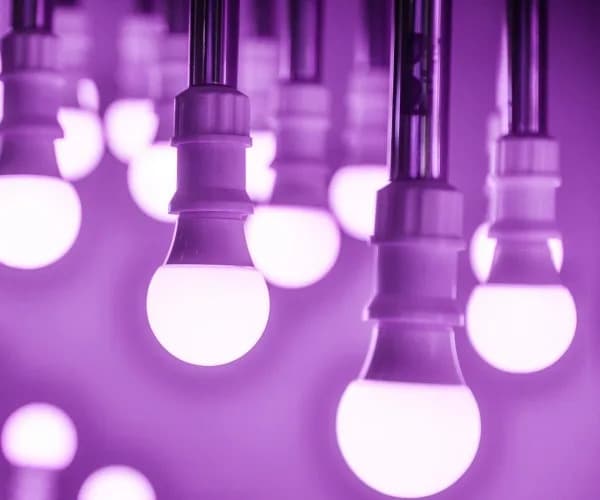
- Change outdoor lighting: Use warmer-color (lower CCT) bulbs, aim fixtures downward, reduce intensity, and add motion sensors or timers so lights are on only when needed.
- Minimize indoor sources: Cover or unplug small indicator LEDs, dim screens and enable night modes, and use bedside lamps with warm, low-intensity bulbs.
- Adopt simple habits: Set schedules to dim or turn off nonessential lighting after bedtime, and use eye masks if immediate room-darkening is impractical.
Policy And Conservation Moves
Several governments and organizations have begun addressing light pollution. Mexico has added light-pollution provisions to federal environmental law, France regulates artificial-light emissions in its Environmental Code, and Maine enacted a statewide outdoor-lighting law in 2026 that sets standards for covered public lighting installed or replaced after Oct. 1. In the U.S., the Senate unanimously passed a bipartisan resolution recognizing National Dark Sky Week on April 29. DarkSky International celebrated its 250th International Dark Sky Place designation in 2025 with Lapalala Wilderness in South Africa.
The experience of a truly dark sky—whether at the Grand Canyon or a nearby certified dark-sky preserve—is more accessible than many assume, and the conversation about reclaiming nighttime darkness has moved from astronomers to doctors’ offices, local policymakers and front porches. Restoring darker nights may yield benefits for sleep, metabolism and possibly heart health, and many steps to get there are inexpensive and immediately actionable.
Photo credit: YAY Images.
Help us improve.